
Last updated November 15, 2026
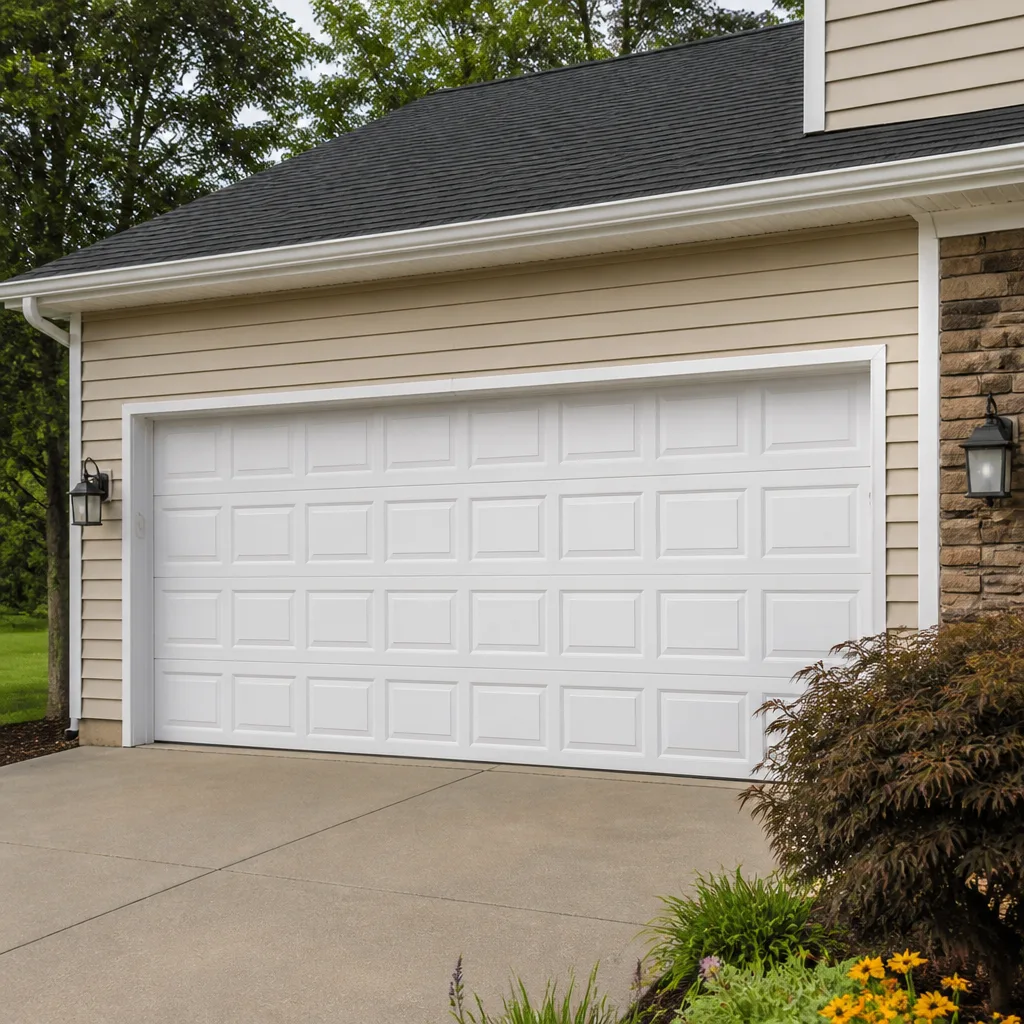 Raised-panel steel
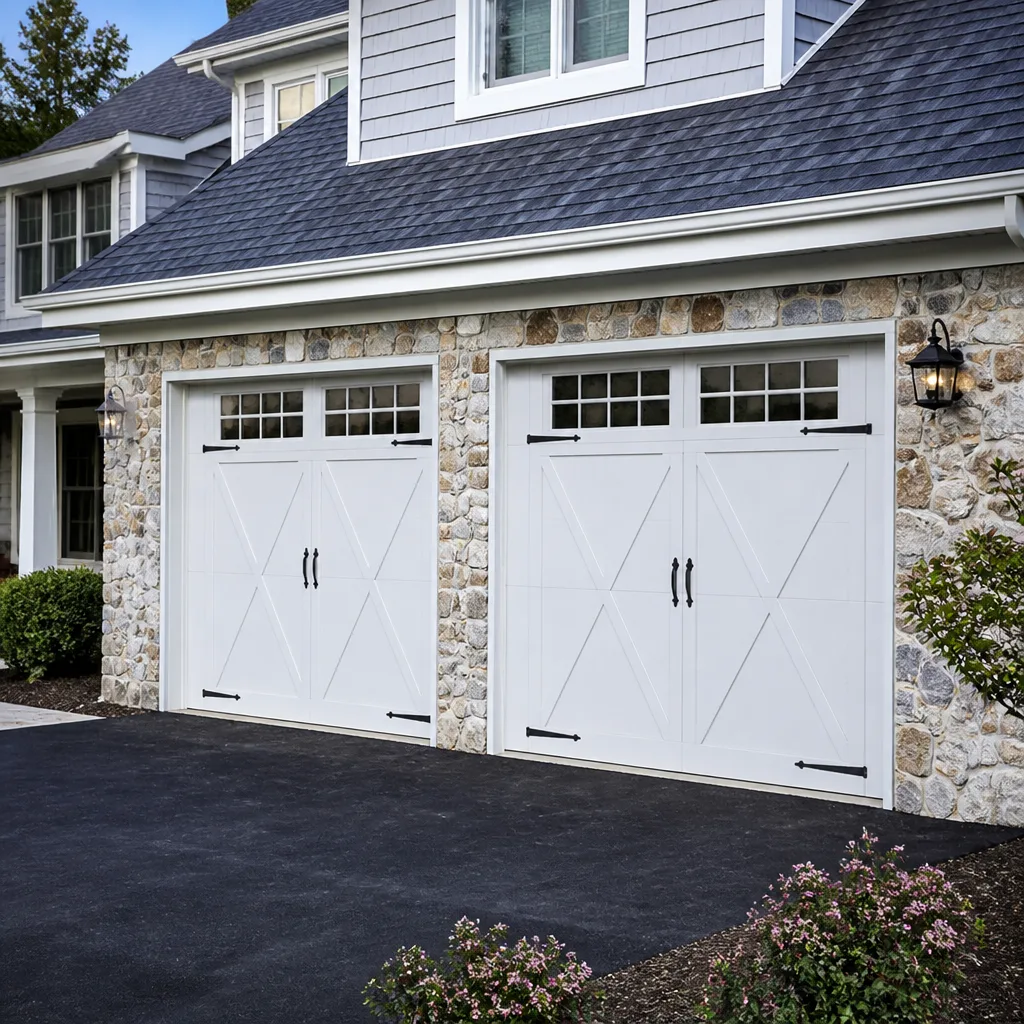 Carriage house
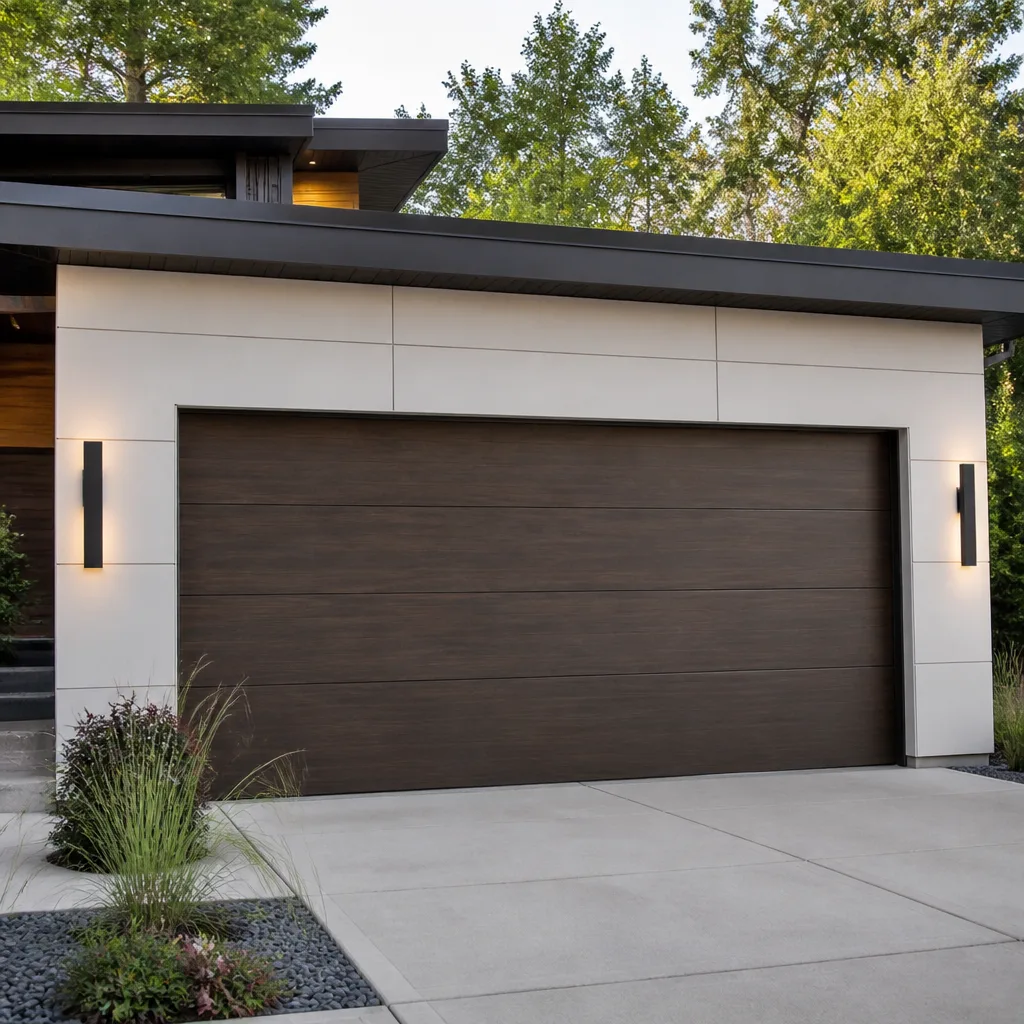 Modern flush
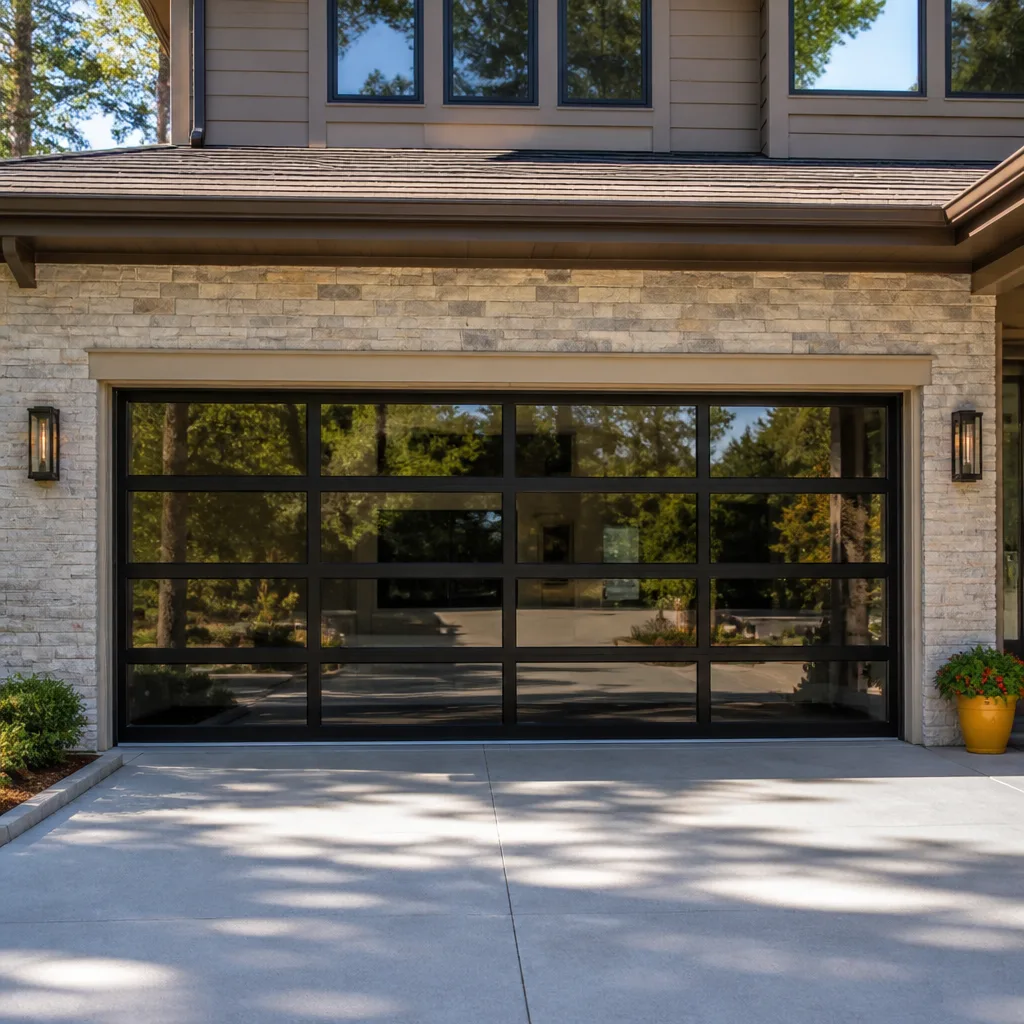 Full-view glass
 LiftMaster openers
 Chamberlain openers
Full 25-point door and opener safety check with every visit - springs, cables, rollers, tracks, and your LiftMaster or Chamberlain opener included
You get a price before we start. It does not change when the pro arrives.
Get your free estimateGarage Door Repair Troubleshooting in Raleigh: Common Problems and How to Fix Them
The number one reason a garage door “repair” fails within 30 days is that the wrong component was replaced. A door that shudders on the way down gets a fresh set of rollers when the actual problem is a bent track. A door that won’t close gets a sensor swap when the real fault is a misaligned photo-eye bracket. The first visible symptom gets fixed, and the actual cause is still sitting there. Most homeowners in Raleigh misdiagnose garage door problems because they treat symptoms instead of the system. A garage door is a mechanical chain – opener, springs, cables, tracks, hinges, rollers – and the only reliable way to fix it is to follow that chain from one end to the other. This guide teaches you how.
Quick Answer
Garage door troubleshooting in Raleigh starts with isolating which part of the system is failing: the opener (motor, logic board, sensors), the springs and cables (lift and balance), or the tracks and hardware (travel path). A door that reverses or won’t close is usually a sensor or travel-limit problem; a door that’s too heavy to lift by hand points to springs or cables; a crooked or noisy door usually traces to tracks and rollers. Check the safe, homeowner-level items first, then stop at springs, cables, and electrical work and call a trained technician. In Raleigh, clay soil movement and humidity swings make track misalignment and spring fatigue more common than in drier climates, so those two categories show up on a large share of local calls.
Styles & brands we work with
- Raised-panel steel
- Carriage house
- Modern flush
- Full-view glass
- LiftMaster openers
- Chamberlain openers
Table of Contents
- The Symptom-to-Cause Diagnostic Framework
- My Garage Door Won’t Open: What to Check First
- My Garage Door Won’t Close or Keeps Reversing
- Noisy, Crooked, or Slow Doors: Reading the Clues
- How Raleigh’s Clay Soil and Humidity Change the Failure Pattern
- Five Things You Can Safely Check Yourself
- Opener vs. Springs vs. Cables vs. Tracks: Telling Them Apart
- Temporary Fix vs. Real Repair: How to Tell the Difference
The Symptom-to-Cause Diagnostic Framework
Most garage door troubleshooting advice online jumps straight to “lubricate the hinges” or “reset the opener,” which is like treating a fever without asking why there’s a fever. A better approach is to organize what you’re seeing by symptom, then walk backward through the mechanical chain until you find the component that’s actually failing. The chain runs in one direction: opener (the brain and motor) → drive mechanism (belt, chain, or screw) → springs and cables (counterbalance) → tracks, rollers, and hinges (the travel path) → the door panel itself. When something goes wrong, the symptom usually appears at one end of the chain, but the cause is often at the other.
Here’s the framework we use when a Raleigh homeowner describes a problem over the phone or when a technician arrives on site:
- Observe the symptom precisely. “Won’t close” could mean “reverses immediately,” “closes a few inches then stops,” “stops halfway,” or “runs but the door doesn’t move.” Each one points to a different part of the chain.
- Test the balance first if the door is heavy or slow. Disconnect the opener (most openers have a manual release pull) and lift the door by hand to about waist height. A balanced door should hold there on its own. If it slams down or feels like lifting a truck, the springs or cables are the problem, not the opener.
- Check the opener’s own safety systems second. The photo-eye sensors at the base of the tracks and the opener’s travel and force limits account for a large share of “won’t close” calls, especially after a power flicker or a thunderstorm.
- Inspect the tracks and hardware third. Look for dents, bends, loose brackets, and rollers that have come out of the track. A track that’s out of plumb will cause the door to bind even when everything else is fine.
- Only then look at the door and panel condition. Cracked panels, bent hinges, and worn rollers are real, but they rarely cause a sudden failure – they’re cumulative.
Following the chain in order saves you from the most common and expensive mistake in garage door troubleshooting: replacing a healthy component because the symptom appeared to point at it. We’ve seen doors get a brand-new opener when the actual problem was a fatigued spring, and we’ve seen springs get replaced when the opener’s travel limit was set wrong. The symptom lives at one end of the chain. The cause often lives at the other.
My Garage Door Won’t Open: What to Check First
A garage door that won’t open usually falls into one of three buckets: the opener isn’t running, the opener runs but the door doesn’t move, or the door moves a little and stops. Isolating which bucket you’re in takes about a minute and cuts the troubleshooting time in half. It’s also the difference between a call that’s actually about garage door opener repair and one that turns out to be a mechanical problem upstream.
If the opener doesn’t run at all
- Check the wall switch and the remote – if the wall switch works and the remote doesn’t, the problem is the remote or the opener’s radio receiver, not the motor.
- Confirm the opener has power. A tripped GFCI outlet or a tripped breaker on the circuit serving the opener is more common than people expect, especially in older Raleigh homes where the garage circuit is shared with outdoor outlets.
- Check the manual release. If the emergency pull cord has been pulled and not reset, the opener will run but the door won’t move – and the opener may seem “dead” if it’s hitting a limit and stopping.
- Look at the opener’s diagnostic light or error code on the motor head. Brands like Genie, LiftMaster, and Chamberlain all publish their own code meanings, and a code will tell you whether the board, the sensor, or the motor is suspect.
If the opener runs but the door doesn’t move
This is often a stripped drive gear inside the opener, a broken belt or chain, or a snapped torsion spring. On a chain-drive or belt-drive opener, you’ll hear the motor spinning at full speed with no load. On a screw-drive, the carriage sometimes comes loose. If you suspect a spring – especially a torsion spring – stop here. High-tension springs are the most dangerous component in the system, and a trained technician needs to handle that work with the right tools and winding bars.
If the door moves a little and stops
Travel limits and force settings are the usual suspects. If the door only moves an inch or two, the open travel limit is likely set too short – often after a power outage or a board reset. If the door goes up a few feet and reverses hard, the force setting is too low, or something in the track is binding and the opener is interpreting it as an obstruction. Force settings are a safety feature, not a tuning knob: raising them to force a binding door through its cycle is how doors get damaged and people get hurt.
Plenty of “won’t open” calls we take in Raleigh turn out to be a sensor or limit issue that turns into an opener fix; others turn out to be a spring that has slowly fatigued to the point where the opener can’t lift the dead weight of the door anymore. That second scenario is why we always test balance before touching the opener.
My Garage Door Won’t Close or Keeps Reversing
A door that won’t close is a security and safety problem at the same time, so it’s tempting to want a fast fix. But “won’t close” has at least five distinct root causes, and reaching for the wrong one is how homeowners end up making the same service call twice. Here’s how to sort through them in order of likelihood:
- Photo-eye obstruction. The two sensors mounted near the floor on either side of the door use an invisible beam. If anything blocks that beam – a broom handle, a leaf pile, a bicycle, a sagging sensor bracket, even a spider web – the opener will refuse to close. Wipe both lenses, check for debris, and confirm both LEDs are steady rather than blinking. If one is blinking, the sensors aren’t “seeing” each other.
- Sensor alignment. The most misdiagnosed of all. Sensors can appear aligned but be slightly out of level, especially after a track bump or a car nudge. Gently loosen the wing nut on the sensor bracket, adjust, and re-tighten. If the bracket itself is rusted or bent, alignment won’t hold – that’s a hardware swap.
- Travel limit set wrong. If the door closes most of the way and then reverses before touching the ground, the close limit is set too short. On most openers, the limit switch is a screw or knob on the side of the motor head. Adjusting it is a homeowner-safe adjustment on most models, but check the manual for your specific brand – Genie and Chamberlain, for example, use different procedures.
- Force setting too sensitive. The opener senses resistance and reverses if it thinks it’s hit something. A binding track, a worn roller, or a cold morning with stiff grease can all trip the force limit. Raising the force setting is the wrong fix – the right fix is finding and correcting the binding.
- Lock or vacation mode engaged. Every opener has a lock or vacation mode that disables the remotes. If the wall switch works but no remote does, check this first. It’s the cheapest fix in the industry.
If the door is closing but reversing at the same place every time, that’s a physical obstruction or a limit issue. If it reverses at random, that’s more often a sensor alignment or electrical problem. If it reverses only when it’s cold or humid, take a close look at the tracks – which brings us to the local failure pattern that surprises a lot of homeowners moving to Raleigh from drier places.
Noisy, Crooked, or Slow Doors: Reading the Clues
A noisy door isn’t always a lubrication problem, even though that’s the first thing most homeowners try. Lubricating a door that’s noisy because a roller is out of its track, or because a hinge is bent, just masks the symptom for a few weeks. The noise comes back, and now you’ve added a layer of grease over the actual problem. Here’s how to read the symptom by its character:
- Grinding or metal-on-metal sound: Rollers or hinges are worn, or a track is out of alignment. Grinding isn’t a lubrication problem – the metal is already in contact with metal.
- Popping or snapping sound: Often a torsion spring or cable at the edge of failure, or a bearing plate that’s failing. If you hear popping and the door has also started to feel heavy, stop operating it and call for service.
- Squealing: Usually the opener’s drive – a belt or chain running dry, or a nylon drive gear inside the motor that’s worn. This is an opener noise, not a door noise, and it belongs in a specialized opener repair conversation.
- Rattling or banging on the way up or down: Loose bolts on the hinges and brackets, worn rollers, or a door panel that’s out of square. On double-car doors in older neighborhoods, decades of daily cycling eventually loosen nearly every fastener.
- Slow movement: Often misunderstood as “the opener is getting old.” A door that’s suddenly slow is usually a door that’s gotten heavier, which means spring fatigue or a spring that’s partially broken. The opener is fine; the balance is off.
Reading a crooked door
A door that’s visibly crooked when it’s partially up – one side higher than the other – has a cable or track problem, not an opener problem. That’s important because the fix isn’t on the opener side. The most common causes are a cable that’s come off its drum, a track that’s been knocked out of plumb, or a bent vertical track on one side. Cables are under extreme tension and a snapped or slipped cable can lash out with real force – that’s a trained-technician job, not a homeowner job. Tracks can sometimes be adjusted by a homeowner if the problem is a loose bracket bolt, but if the track itself is bent or kinked, it needs to be replaced.
Slow doors, crooked doors, and noisy doors all share one characteristic that makes them hard to diagnose over the phone: the actual cause is usually cumulative. The spring didn’t fail this morning – it failed over years. The track didn’t bend overnight – the clay under the slab has been swelling and shrinking with each wet and dry cycle. That’s why the local Raleigh environment matters so much for troubleshooting.
How Raleigh’s Clay Soil and Humidity Change the Failure Pattern
Garage door troubleshooting advice written for Phoenix doesn’t work well in Raleigh, and vice versa. The local soil and climate create a distinct failure pattern that shows up on a large share of local calls, and understanding it saves homeowners from chasing the wrong fix.
Clay soil means tracks move more than they should
The Piedmont clay common across Raleigh swells when it’s wet and shrinks when it dries, and that cycle shakes and shifts slabs, driveways, and the framing around the garage itself. Over a season of wet springs and dry summers, the two vertical tracks on either side of the door can work a few eighths of an inch out of alignment – the concrete anchors holding the track brackets loosen, and the gap between the tracks narrows at the top or bottom. The door binds, the opener hits resistance, and the force setting trips. A technician regaps and realigns the tracks, resets the force limits, and the door runs smooth again. That’s a real repair, but only if the diagnosis found the track movement instead of assuming “the opener is bad.”
Humidity cycles accelerate spring fatigue
Torsion and extension springs are metal under constant tension, and they don’t like cyclical humidity. The same hot-wet summer and cool-dry winter that make Raleigh pleasant to live in are hard on springs, and local doors see more spring fatigue per year than doors in dry climates. That fatigue shows up first as a door that’s harder to lift by hand, then as one that’s slow to open, then as a break. A slow door in Raleigh in August is often a spring that’s months past its useful life but hasn’t broken yet – and if you wait for the break, you’re usually looking at a full spring replacement instead of a proactive one.
Summer heat and winter cold both stress the hardware
Summers push the metal door panels to expand slightly, and winters pull them back. Rollers dry out faster, hinges loosen, and the grease on the track stiffens in cold snaps. Those are the reasons a door that ran fine in October can start grinding in January without any single “cause.” When we look at a door in Raleigh, we’re looking at the effects of a full year of that cycle, not just what happened last week.
Five Things You Can Safely Check Yourself
Before you call anyone, there are five homeowner-safe checks that take about ten minutes and resolve a meaningful share of “the door is broken” calls. Each one has a clear stop point where DIY becomes dangerous – and the stop points matter more than the checks themselves.
- Visual sensor check. Look at both photo-eye sensors at the base of the door. Both should have a steady LED (usually green or amber). If one is blinking, it’s not “seeing” the other. Wipe the lenses with a dry cloth, clear any leaves or debris, and recheck. Stop point: if the sensors are visibly bent or cracked, call a technician.
- Manual release test. With the door fully closed, pull the red manual release handle so the opener disengages. Lift the door manually to about waist height. A balanced door should stay in place or drift only slightly. If it slams down, feels very heavy, or feels like it’s pulling one cable tighter than the other, stop and call – the spring or cable is the problem. Stop point: never lift a door by hand if you feel any odd pulling or if you hear popping.
- Track inspection (eyes only). Look up and down both tracks for dents, bends, or obstructions. Rollers should sit inside the track with no gap. Stop point: don’t hit the track with a hammer to “straighten” it – you’ll bend it worse and it’s harder to repair than to replace.
- Remote and wall switch swap test. Try the wall switch and each remote. If the wall switch works and the remote doesn’t, the problem is in the remote or the opener’s receiver. If neither works, check the opener’s power and any lock or vacation mode. Stop point: don’t open the opener’s motor housing – the capacitors inside can hold a charge and there’s no reason to go in there.
- Force and limit sanity check. If the door runs but stops short or reverses without hitting anything, note exactly where it stops (in inches from the ground). That detail is the most useful thing you can tell a technician – it narrows down the cause before anyone arrives. Stop point: don’t raise the force setting to push a binding door through. That’s the wrong fix and it hides a real safety issue.
If those five checks don’t turn up something obvious, the problem is most likely in the parts of the system you shouldn’t touch – the springs, the cables, or the inside of the opener. That’s the moment to make a call, not to try one more thing.
Opener vs. Springs vs. Cables vs. Tracks: Telling Them Apart
The most expensive mistake in garage door repair is treating an opener symptom for a spring problem, or vice versa. They look similar from the outside – the door doesn’t work the way it should – but the fix is completely different, and swapping the wrong one costs you a service call today and another one in a month. Here’s how to tell them apart.
The opener is the brain
The opener’s job is to move the door a controlled distance and stop. It doesn’t lift the full weight of the door (the springs do), and it doesn’t correct for a crooked door (the tracks do). So if the symptom is “the door runs but stops in the middle” or “the remotes don’t work” or “the opener makes a grinding noise from the motor head,” the opener is a prime suspect. If the symptom is “the door won’t move” but the opener runs normally, the opener is usually fine and something else is wrong.
Springs are the muscle
Springs hold the door’s weight so the opener only has to move it. A failing spring shows up first as a door that’s harder to lift by hand, then as one that drifts down after opening, then as a break. The clearest test is the manual release test described above. If the door won’t hold itself up when disengaged, it’s a spring or cable problem, full stop.
Cables are the tendons
Cables connect the door to the spring system and keep the door level side to side. A cable that’s frayed, off its drum, or snapped typically shows up as a door that’s visibly crooked or as a cable hanging slack at the side. Never touch a cable that’s under tension. This is one of the most dangerous parts of the whole system – a snapping cable can cause a serious injury.
Tracks are the road
Tracks guide the door. A track problem shows up as a door that binds, jerks, or comes out of alignment, usually in the same spot every time. If the door goes up a foot and jams, or comes down and shudders at a certain height, look at the track at that height – not at the opener.
Where homeowners get this wrong is usually in one of two directions: they replace the opener because the door stopped working, when the door actually stopped because a spring finally gave out; or they keep adjusting the opener’s force setting because “the door is heavy,” when the door is heavy because the spring has fatigued. When a technician from our team shows up, the first thing we do is test balance. It’s the single fastest way to know which side of the chain the problem is on. If you’re noticing the same door symptom in more than one of these categories at once, that’s usually a sign of two problems that developed in parallel – and it’s the reason a single call to a specialist who can diagnose the whole system saves money over two calls to fix them separately.
Temporary Fix vs. Real Repair: How to Tell the Difference
Not every fix that makes a door work is a repair. A lot of “fixes” in this trade are stopgaps that buy time but don’t solve anything, and part of what a good technician does is explain which one you’re getting. Here’s how to evaluate what’s being proposed:
- A temporary fix addresses the symptom. A door that’s been binding gets a shot of lubricant on the track. It runs smooth for two weeks. The binding is still there. That’s a temporary fix, and there’s nothing wrong with it if the technician tells you it’s temporary and explains what the real fix will be.
- A real repair addresses the cause. The binding door gets its tracks realigned and the force limit reset. It runs smooth for years. That’s a real repair, and it costs more upfront but less over time.
- A real repair includes a balance check. Any repair that touches the opener’s force or travel settings should finish with a manual balance test. If the technician skips that, ask why.
- A real repair explains the state of the rest of the system. If the rollers are worn, the technician should say so and let you decide whether to replace them now or later. A repair that ignores obvious wear on other components is a repair you’ll pay for twice.
- A real replacement decision is about the door, not the technician’s day. When the question is “repair or replace,” the answer should be driven by the door’s age, its structural condition, how many repairs it’s accumulated, and whether parts are still available for the opener and hardware. Not by what’s easiest to sell.
We’re brand-agnostic by design. That’s not a marketing line – it means we can recommend what your door actually needs, whether it’s a Genie opener, a Clopay door, an Amarr panel, or a Wayne Dalton system, because we’re not locked into a single manufacturer’s lineup. Certified familiarity with the eight major brands covers LiftMaster, Chamberlain, Genie, Clopay, Amarr, Wayne Dalton, Craftsman, and Raynor, and it means the diagnosis starts with the actual equipment in front of the technician, not a generic guess based on the brand name.
Common Mistakes to Avoid
- Raising the force setting to force a binding door through. This is the single most common homeowner error we see in Raleigh. It masks the real problem, wears the opener’s gears prematurely, and disables one of the door’s built-in safety systems. If the opener is tripping on force, the door is binding somewhere – find the binding, don’t override the safety.
- Lubricating a noisy door without inspecting the rollers. Grease quiets a worn roller for a couple of weeks and then the noise returns. If a roller’s bearing surface has failed, lubrication is a delay, not a repair. Rollers are inexpensive and replacing worn ones is a fast way to quiet a door permanently.
- Assuming “the opener is bad” when the door has gotten heavy. A door that’s suddenly slow or that trips the opener’s force limit almost always has a spring problem, not an opener problem. Replacing a healthy opener is expensive, and it doesn’t fix the actual cause – the new opener will fail the same way the old one did.
- Straightening a bent track with a hammer. A track that’s been “straightened” is still out of spec. Track sections are formed to a shape that keeps rollers seated; a hammered track can let a roller pop out mid-cycle, which is both a door-damage event and a safety event. Replace the section.
- Ignoring a slow-moving door in the summer. Raleigh summers are hard on springs, and a slow door is often a fatigued spring that hasn’t broken yet. If you wait for the break, you’ll usually pay for a full spring replacement plus a possible opener issue from the failed open.
- Pulling a manual release when the door is under tension. If the door is open and the springs are broken, the door is at full weight on the cables. Pulling the release can drop it hard. Follow the door’s manual, and if the door is open with a suspected spring failure, leave it and call a professional.
- Ignoring photo-eye alignment for weeks. Hauling groceries in and out with a door that reverses half the time seems normal after a while. It gets reset by habit and then forgotten. The photo-eye system is a safety system; when it’s not working right, the door can close on someone. Fix it or get it fixed.
- Taking a “same day fix” that only resets a setting. If the technician resets the force setting and leaves without checking the tracks and balance, you’ll be calling again in a month with the same problem. Ask what the underlying cause was, and if the answer is vague, ask for the balance check before they leave.
See the difference
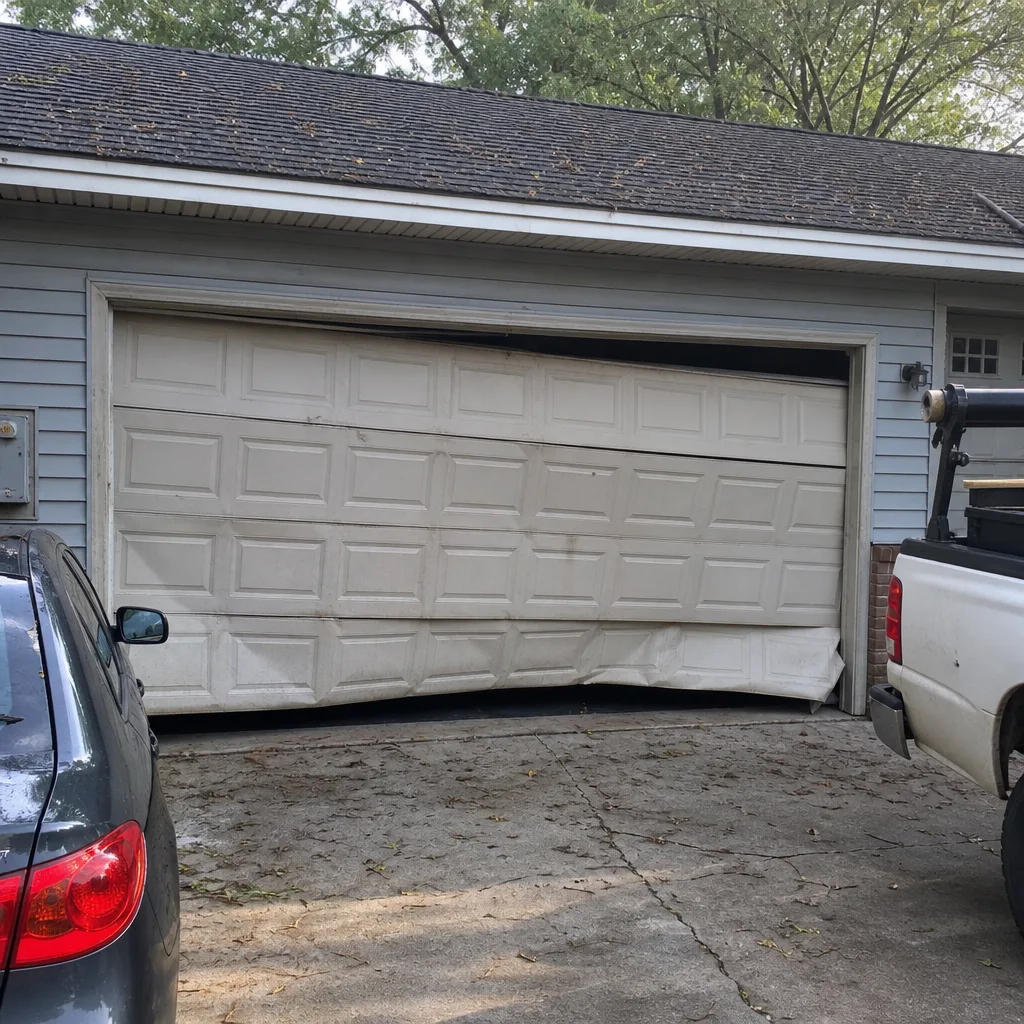 Before
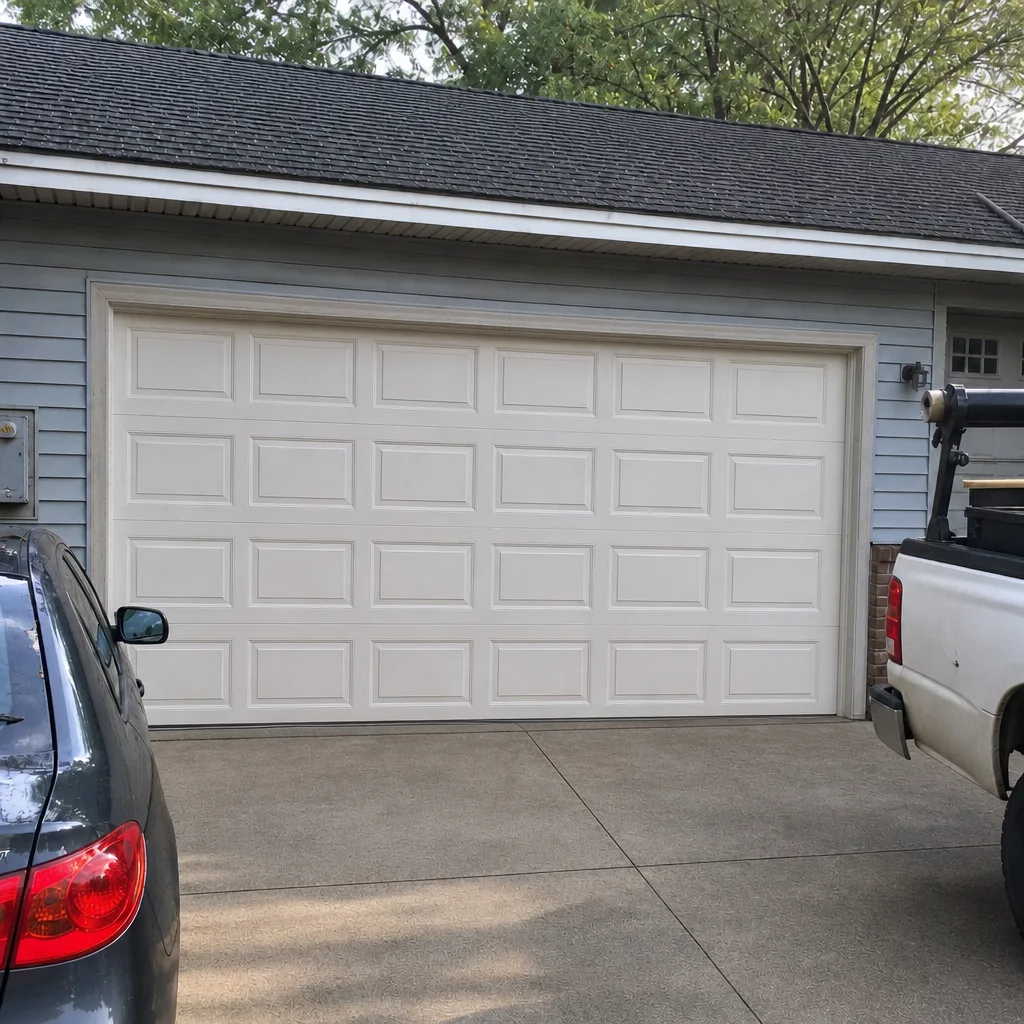 After
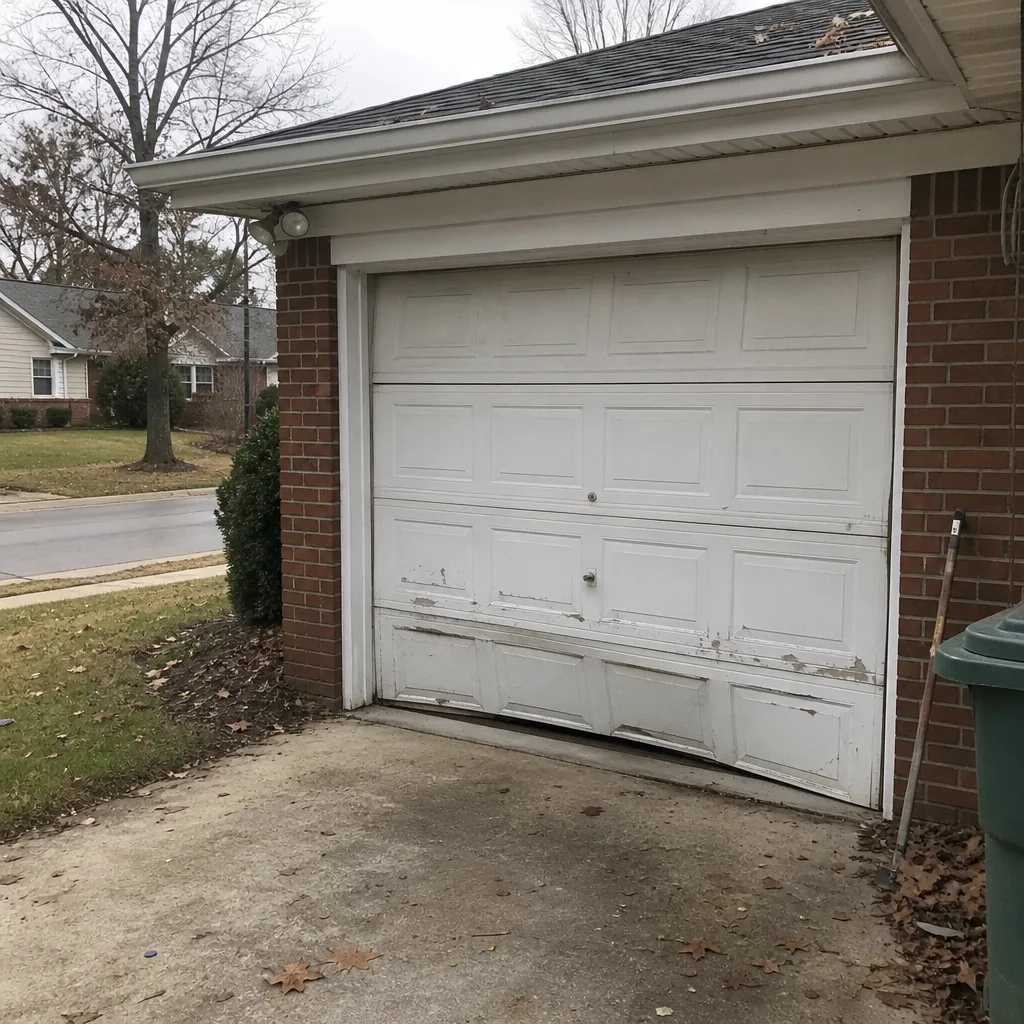 Before
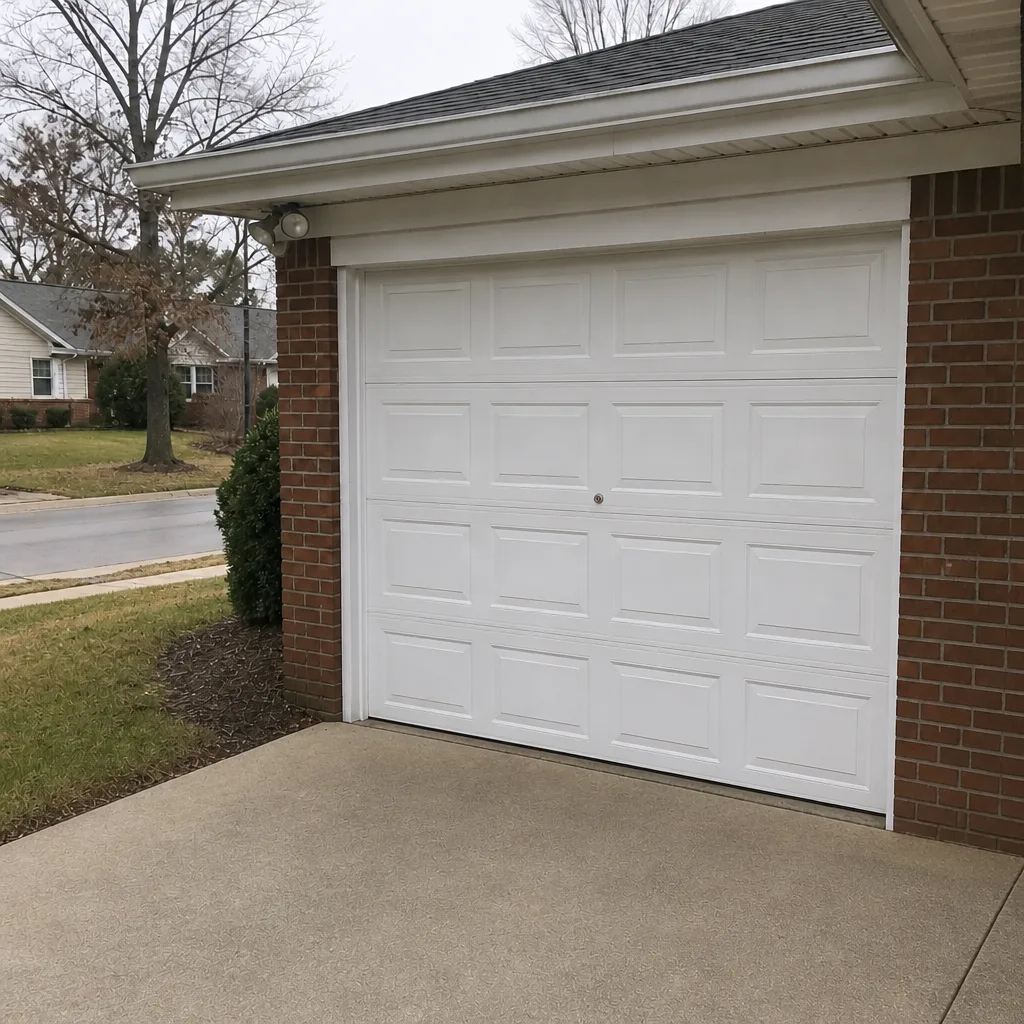 After
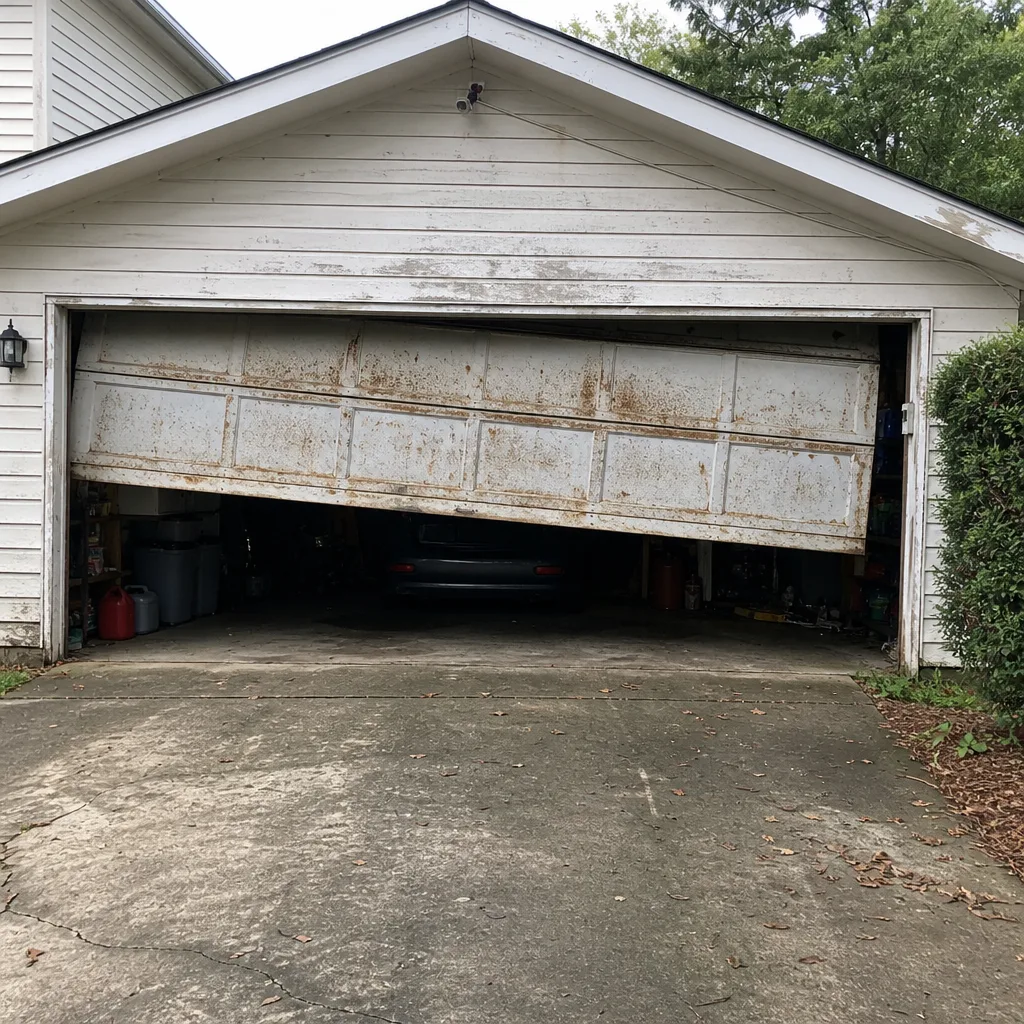 Before
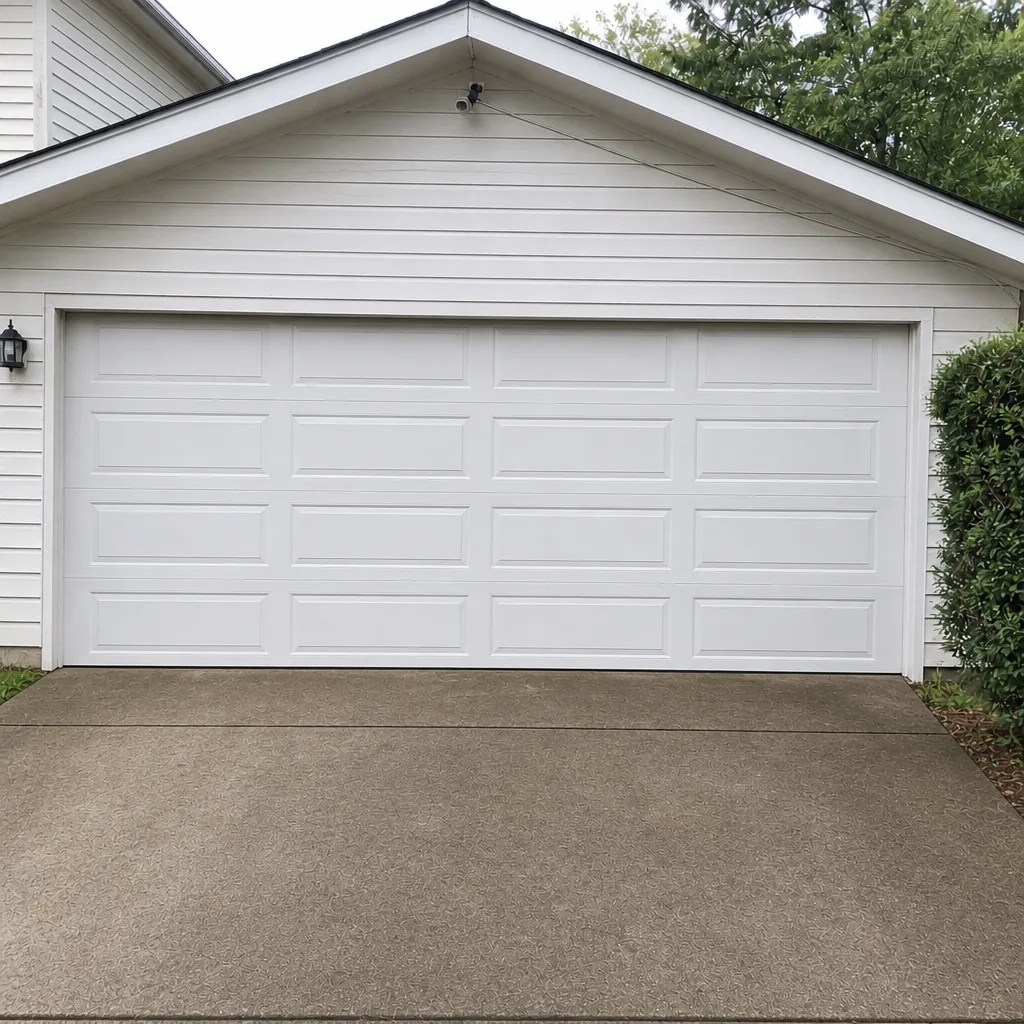 After
When to Call a Professional
Some problems are homeowner territory. Others aren’t, and the danger is real. Call a trained technician when the door is heavy to lift by hand, when a spring has visibly broken or the door has dropped on one side, when you can see a frayed or off-drum cable, when the door is visibly crooked in its tracks, when the opener’s motor runs but the door doesn’t move, or when you smell burning from the opener or see scorch marks near its wiring. Electrical troubleshooting inside a garage door opener and installation or adjustment of torsion springs and cables belong to trained professionals, not homeowners – a snapped cable or a released spring can cause serious injury. Our technicians have up to experience with the equipment you already have, and Orchard Garage Door Repair offers free estimates in Raleigh – call (866) 942-6232. We answer 24/7. Fast dispatch from 7am to 7pm, Sunday through Friday.
What happens when you call is straightforward. We ask a few questions about what the door is doing, book you into a slot, and send a technician with the tools and parts to diagnose the full system, not just the symptom. There’s no need to wait for a callback from a generalist who has to refer the work out. One call covers it: garage door repair, opener repair, and installation all come through the same team, so nothing gets handed off. If the diagnosis comes back as something you can safely handle, we’ll tell you that too. Free estimates are exactly that – a written price before any work starts, so you know what you’re paying before a technician picks up a tool. If you’re in need of a full replacement rather than a repair, we can quote a new garage door installation as well, with the same upfront estimate.
Frequently Asked Questions
Garage door repair in Raleigh is quoted per job, and the price depends on which component failed and whether one part or several are involved. There isn’t a single fair range across the trade – a sensor alignment and a spring replacement are different types of work with different parts and different installation steps. The estimate is free, and you get a written price before any work starts. Call (866) 942-6232 for an exact quote – estimates are free.
Yes, in most cases we can book same-day service when you call within our dispatch window. We answer 24/7. Fast dispatch from 7am to 7pm, Sunday through Friday. A call outside dispatch hours is booked into the next opening. Call (866) 942-6232 with a brief description of what the door is doing – it makes the visit more efficient.
The written estimate is the price. What can change is the diagnosis if the technician finds a second problem while on site – but in that case, you get the additional finding explained, a revised estimate for the additional work, and the choice to approve or decline before anything is done. There’s no hidden upcharge between the phone conversation and the invoice. Call (866) 942-6232 for a free estimate.
The technicians who perform the work are state-licensed and insured, and background-checked as independent local professionals. If you want to see verification before work starts, ask before booking and we’ll walk you through what’s available. Call (866) 942-6232 to get connected to a technician near you.
Not always. A door that reverses near the floor is often the close travel limit set slightly too short, not a sensor issue. It’s easy to assume sensor because the sensors are the most famous part of the system, but a properly working sensor isn’t the cause of a door that reverses a few inches from the ground – a limit issue is. Sensor problems usually cause reversal at random, not at the same spot. A trained technician can sort out which one you have in a few minutes.
Raleigh’s humidity cycles and heat fatigue springs faster than drier climates, and a fatigued spring makes the opener work harder – which feels like a slow door. It’s also possible for stiff grease in the tracks or worn rollers to drag on travel. If the slow door appeared gradually over weeks, suspect the spring. If it happened suddenly, suspect the opener or a binding track. Either way, a technician can test balance in a couple of minutes and tell you which it is.
The Bottom Line
The right way to troubleshoot a garage door in Raleigh is to follow the whole mechanical chain – opener, springs, cables, tracks – instead of fixing the first visible symptom. The local clay soil and humidity cycles make track misalignment and spring fatigue especially common, so what looks like “the opener is going out” often turns out to be the door getting heavier or the tracks moving out of alignment. Check the safe stuff yourself: sensors, manual release test, tracks, remotes, force settings. Stop at the springs, cables, and inside of the opener. If the problem lives in those parts of the system, a trained technician with up to experience working across LiftMaster, Chamberlain, Genie, Clopay, Amarr, Wayne Dalton, Craftsman, and Raynor equipment can diagnose it correctly the first time. If you’re in Raleigh or the surrounding area and want a real diagnosis instead of a guess, call (866) 942-6232. We answer 24/7. Fast dispatch from 7am to 7pm, Sunday through Friday, and estimates are free – the written price comes before any work starts.
One more thing worth knowing: when the diagnosis comes back as “repair or replace,” we tell you which one actually makes sense for your door. A tired 12-year-old door with three accumulated repairs is a different conversation from a five-year-old door with a bad roller. The Orchard name is about doing the work methodically, not selling the biggest package on hand. That’s a philosophy we can hold to because we’re set up to work on what you already own – Raleigh homeowners call us with a LiftMaster that’s not responding, a Genie that’s grinding, a Clopay that’s been dented, an Amarr that’s out of travel limits, a Wayne Dalton with a broken spring, and we diagnose each one on its own terms. If your door isn’t working right and you’re not sure which part of the system is failing, that’s exactly the call we’re built for.
Written by the team at Orchard Garage Door Repair.