
Last updated November 15, 2026
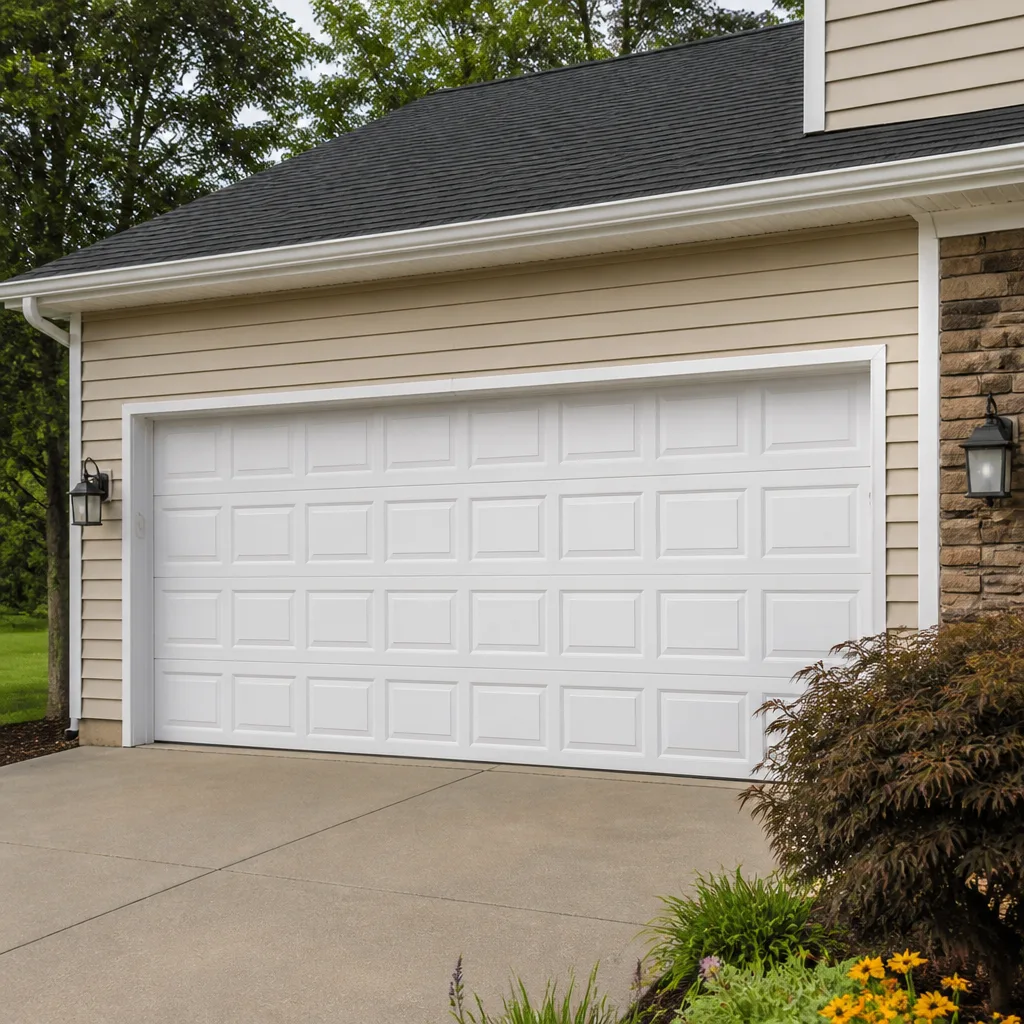 Raised-panel steel
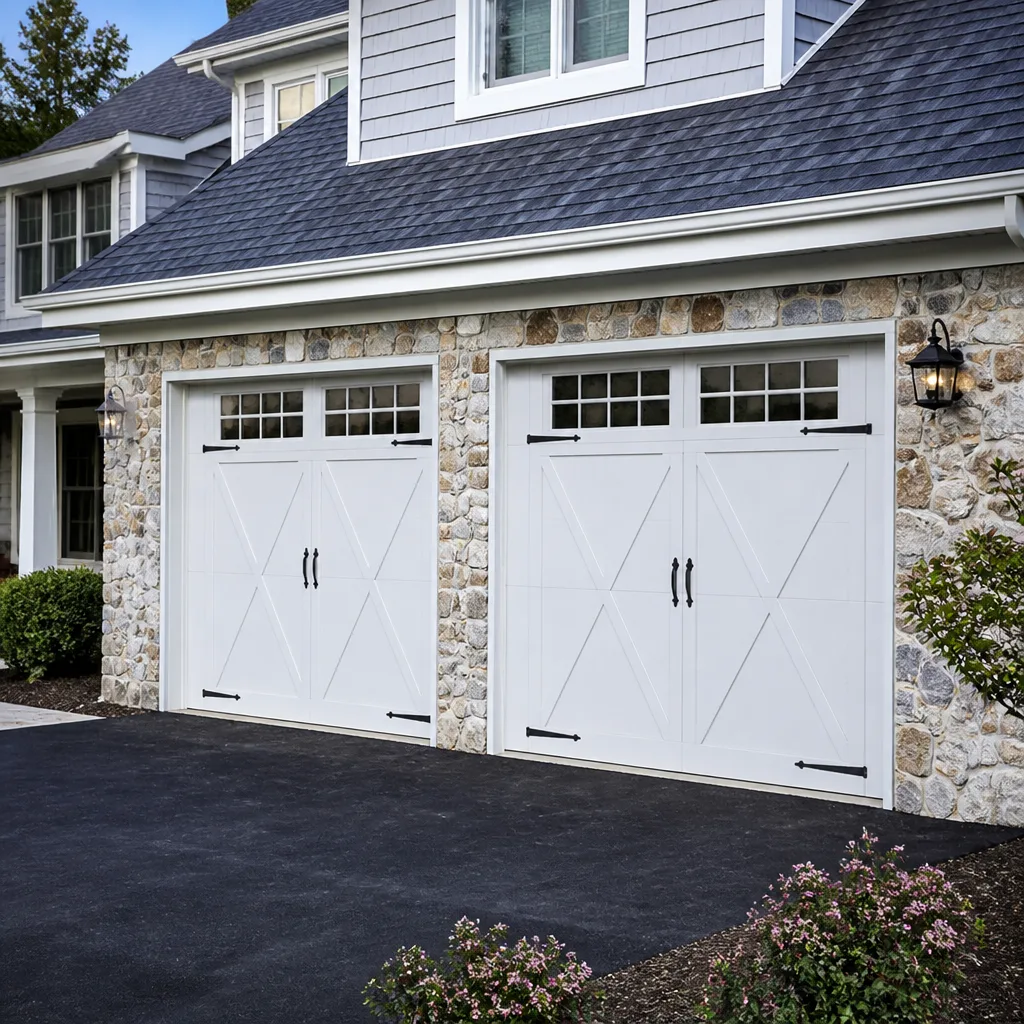 Carriage house
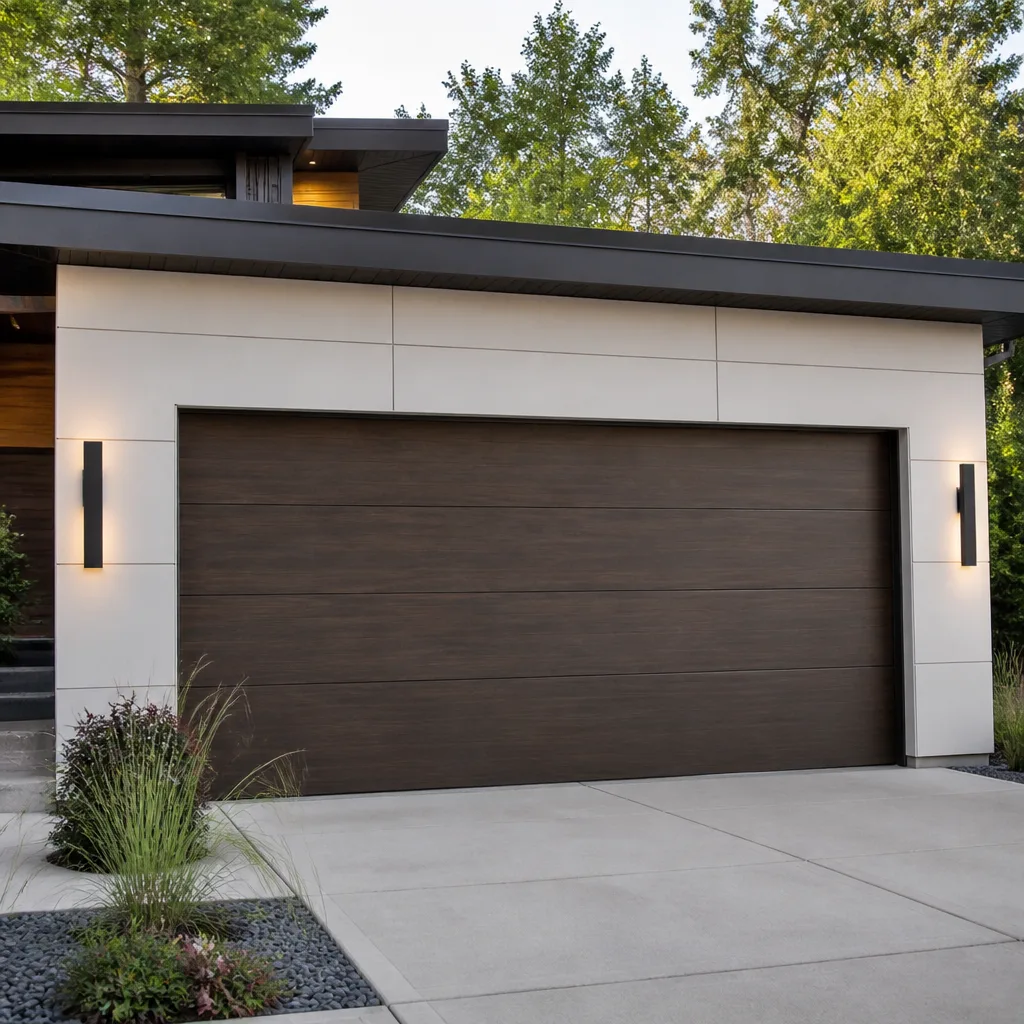 Modern flush
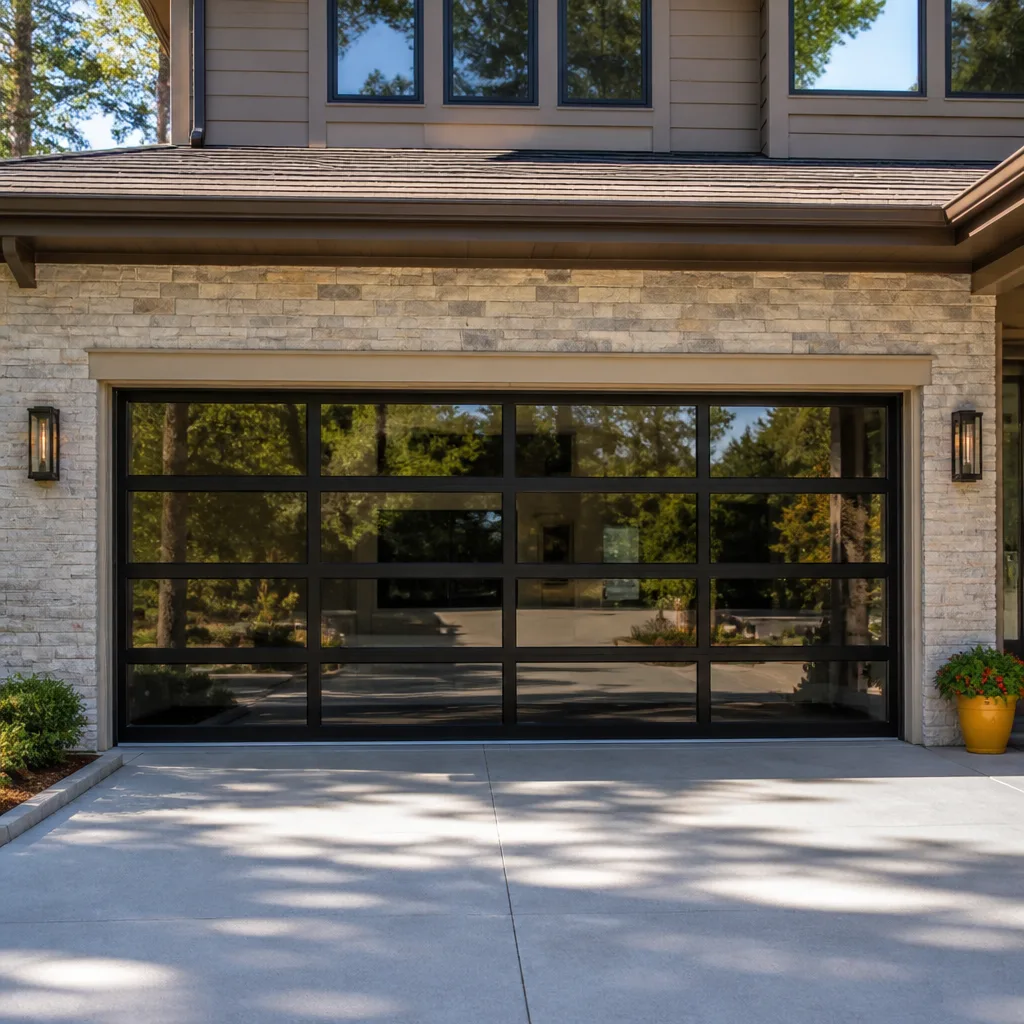 Full-view glass
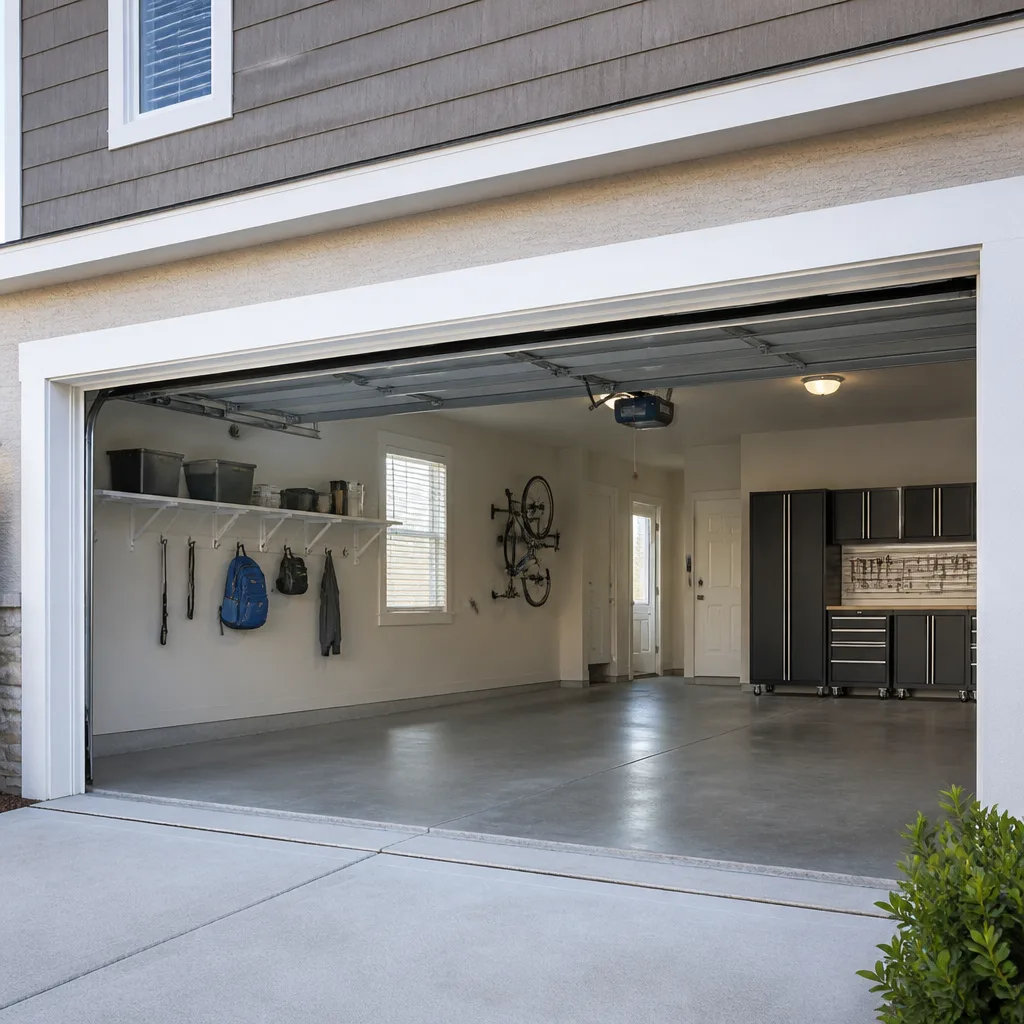 LiftMaster openers
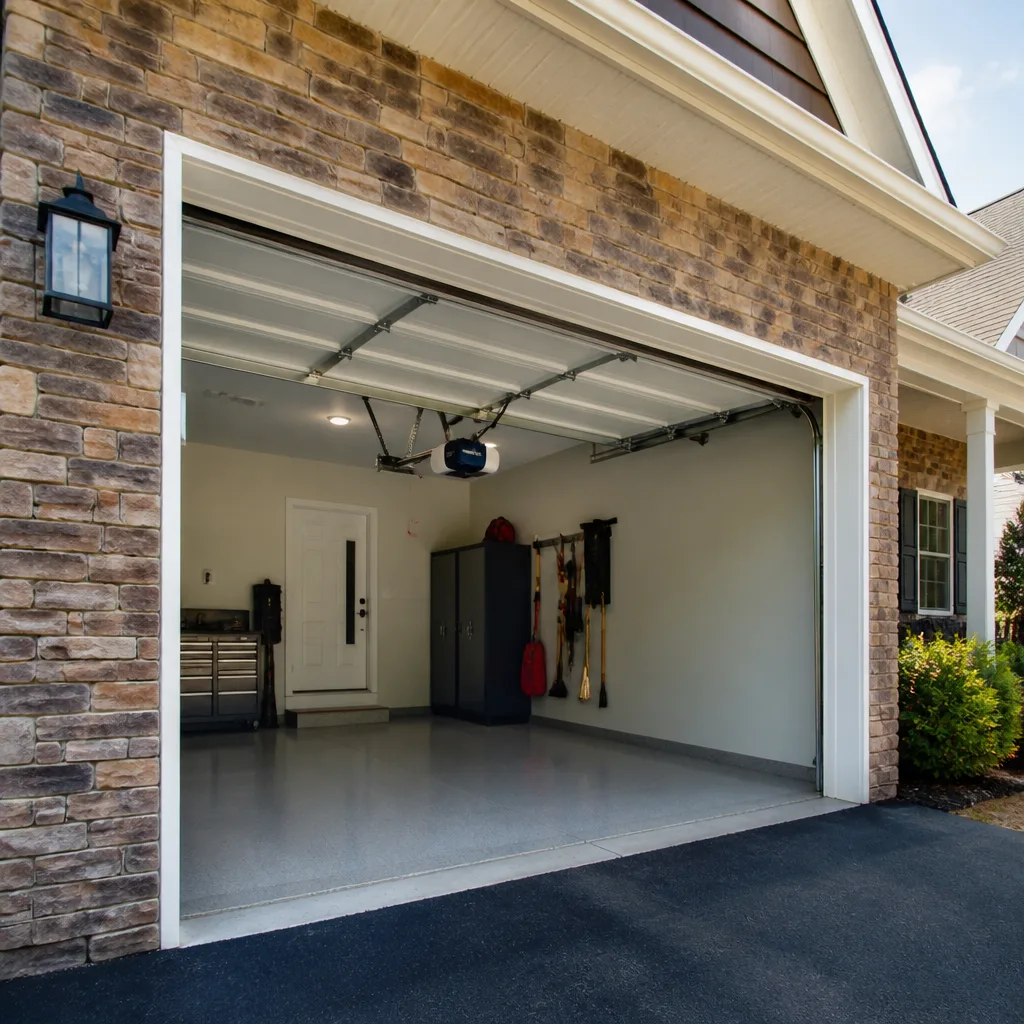 Chamberlain openers
Full 25-point door and opener safety check with every visit - springs, cables, rollers, tracks, and your LiftMaster or Chamberlain opener included
You get a price before we start. It does not change when the pro arrives.
Get your free estimateSeasonal Garage Door Care for Raleigh: Year-Round Homeowner’s Guide
Most homeowners treat a garage door like a fridge: it works until it doesn’t, and then it’s an emergency. That works in a place with one season. Raleigh doesn’t have one season. A Raleigh garage door spends the year moving through four genuinely different stress environments – heavy spring pollen, sustained summer heat above 90°F, a fall transition that hardens lubricants and shrinks seals, and winter freezes that come and go rather than settling in. Each one attacks a different part of the system, and each one asks for a different response. In this guide we’ll walk you through what each Raleigh season actually does to your door, how to spot the trouble early, and how to build a simple 20-minute quarterly habit that keeps the whole system healthy without over-maintaining it.
Styles & brands we work with
- Raised-panel steel
- Carriage house
- Modern flush
- Full-view glass
- LiftMaster openers
- Chamberlain openers
Quick Answer
Seasonal garage door care in Raleigh means cleaning tracks and rollers after spring pollen, checking spring tension and opener strain during summer heat, lubricating and tightening hardware before the first cold stretch in fall, and inspecting seals and balance through winter freeze-thaw cycles. A short 20-minute inspection once per season, plus a proper balance and safety check annually, prevents most of the wear that leads to expensive repairs. If something feels or sounds wrong between seasons, that’s your signal to call a professional rather than wait for a failure.
Table of Contents
- Why Raleigh’s Seasons Are Hard on Garage Doors
- Spring: Pollen, Tracks, and the Cleaning Window
- Summer: Heat, Spring Tension, and the Sluggish July Door
- Fall: The Pre-Cold Hardware Check
- Winter: Freeze-Thaw and What It Does to Hardware
- The 20-Minute Quarterly Habit
- Brand-Specific Notes for Raleigh Systems
- Common Mistakes to Avoid
- When to Call a Professional
- Frequently Asked Questions
- The Bottom Line
Why Raleigh’s Seasons Are Hard on Garage Doors
Raleigh sits in a climate band where the seasons are distinct but none of them are extreme for long. That sounds gentle. For a garage door it isn’t. The problem isn’t any single weather event – it’s the amount of change between events. A door’s moving parts expand, contract, flex, and shift every time the temperature swings, and Raleigh swings a lot.
Think about what a torsion spring, a set of nylon rollers, and a weather seal actually are. The spring stores and releases tension. The rollers are bearings that roll along steel track. The seal is a soft rubber or vinyl strip that presses against concrete. Each of these responds differently to heat, humidity, cold, and grit. And each is exposed to a part of the year that Raleigh delivers in full measure.
Add one more local factor: pollen. Raleigh’s spring pollen load is one of the heaviest in the Southeast, and it doesn’t stay outdoors. Fine particulate rides into the garage on air currents and settles in exactly the place that matters – the tracks and the roller surfaces that run through them. That’s why so many March-to-May complaints about a noisy or straining door trace back to dust and grit rather than a failed part.
The good news is that Raleigh’s rhythm is predictable, and predictable means manageable. When you know what each season asks of the door, the maintenance stops being a mystery and becomes a short checklist you run four times a year. That’s the whole idea behind this guide.
Spring: Pollen, Tracks, and the Cleaning Window
Spring is the single most important cleaning season for a garage door in Raleigh, and it’s the one most homeowners skip. The pollen that coats your car and patio also coats your tracks and rollers, and once that grit gets worked into a moving surface it acts like sandpaper on every open and close.
What pollen actually does
A clean roller glides. A roller with a film of fine grit in its bearing or between the wheel and the track starts to drag, and the opener has to work harder to push and pull the same door. That extra strain shows up first as noise, then as sluggish movement, then as a wear pattern on the rollers themselves. Cleaning the tracks after the peak pollen drop is the simplest, cheapest thing you can do for the whole system, and in Raleigh it matters more than in most of the Southeast because the load is so heavy.
Your spring cleaning steps
- Disconnect the opener. Pull the release handle so the door is in manual mode and nothing is pulling while you work. Never put your hands near the torsion spring or the cables; those store dangerous force and are for trained technicians only.
- Wipe the tracks with a damp cloth. Use a mild soap solution to lift the pollen film, then dry the track with a clean rag. Don’t use heavy grease in the track – it traps grit and makes the problem worse.
- Wipe the rollers. Run a clean cloth along the roller wheels and the shafts. If a roller feels rough or won’t spin freely by hand, it’s worn and should be replaced.
- Check the weather seal along the bottom. Pollen collects in the fold of the seal too. Wipe it, then look for cracking or a gap that will let water and insects in.
- Run the door manually and listen. A door that moves quietly and smoothly by hand is a healthy door. Grinding, scraping, or a binding feeling is your cue to look closer or call us.
This whole sequence takes about 20 minutes and sets up the door for the heat ahead. If your door is a Raynor or a Chamberlain system with an older chain drive, spring is also the right time to check that the chain hasn’t picked up grit and that it’s tracking straight. Our garage door repair team handles roller replacement and track alignment if your spring inspection turns up problems you don’t want to tackle yourself.
Summer: Heat, Spring Tension, and the Sluggish July Door
Raleigh summers regularly push past 90°F, and a garage that faces the afternoon sun gets far hotter than the air temperature. That sustained heat changes the behavior of two critical systems: the torsion spring and the opener’s motor and electronics.
Why doors feel sluggish in July
A torsion spring is a precisely wound steel coil under tension. Heat makes steel expand slightly and changes how it stores and releases energy. A door that was perfectly balanced in March can feel heavy or slow in July, and the opener has to compensate by working harder. Meanwhile the opener motor itself fights heat: the motor runs hotter, the control board is more stressed, and the safety sensors can act up when they’re baking in a sun-facing garage.
If your door feels sluggish, the first thing to check is the door’s balance, not the opener. With the opener disconnected, lift the door halfway by hand and let go. A balanced door stays roughly where you leave it. A door that drops or rises on its own is out of balance, which points to spring tension. Do not adjust the springs yourself – that’s the one part of the system where the stored energy can cause serious injury, and it’s a job for a trained technician.
Summer checklist
- Test the door balance with the opener disconnected and never touch the springs to correct it.
- Wipe the opener’s safety sensor lenses, since heat and dust combine to interfere with the beam.
- Listen for a grinding or rattling opener motor that’s louder in summer than it was in spring.
- Check the opener’s manual and look for a thermal-overheat indicator if the door stops mid-cycle on the hottest days.
- Keep the garage ventilated where you can; a sun-facing garage that traps heat stresses the opener more.
If your opener is a LiftMaster or Genie unit that’s been straining through the summer, our garage door opener repair specialists can diagnose whether it’s the opener, the balance, or a sensor issue causing the trouble. Your opener is the brain of the system, and it deserves the same attention as the door itself.
Fall: The Pre-Cold Hardware Check
Fall is the most important season for preparation, because it’s the last easy window before cold weather changes how every lubricant and seal in the system behaves. Two things happen as Raleigh cools: lubricants thicken, and rubber and vinyl seals contract and harden. A hinge or roller that moved freely in September can bind in November if it wasn’t properly lubed.
The pre-cold hardware check sequence
- Lubricate every moving joint. Use a silicone-based or lithium garage door lubricant on the hinges, the roller bearings, and the spring (a light coat is enough on the spring; don’t soak it). Never use WD-40 or general household oil, which gum up and attract grit.
- Test every hinge and roller by hand. Lift each hinge slightly and rock each roller in its bracket. Loose or wobbly parts get worse in cold weather, so they should be replaced before winter.
- Tighten all accessible bolts. A quick pass with a wrench on the hinge plates, roller brackets, and track fasteners stops the small vibration-loosening that winter cold can accelerate.
- Inspect the bottom seal and side seals. Cold makes a cracked seal split wide open and let in cold air, water, and pests. Replace any seal that’s cracking or stiff.
- Check the door’s alignment and balance one more time. A door that’s balanced in fall will handle winter far better than one that’s already fighting itself.
- Look at the opener chain or belt. Fall is the time to confirm tension and to listen for looseness that cold weather will make worse.
Doing this sequence before the first real cold stretch is what separates a door that runs quietly all winter from one that screeches, grinds, or fails to close on the first hard freeze. Our technicians have up to experience with exactly these seasonal checks, and the work is straightforward if it’s done in the right order.
Winter: Freeze-Thaw and What It Does to Hardware
Here’s a misconception worth correcting: Raleigh’s winters are easier on a garage door than a northern winter, right? Not exactly. Raleigh doesn’t sit in deep sustained cold. It goes through freeze-thaw cycles – a few hard freezes, then days that warm well above freezing, then another freeze. That up-and-down is harder on hardware than a steady cold would be, because every cycle of expansion and contraction works every joint, every seal, and every fastener a little bit looser.
What freeze-thaw does
- It opens gaps. Metal and plastic expand at different rates, so seals and gaskets flex and separate with each cycle, then relax and re-seal when it warms.
- It stresses fasteners. Bolts that were snug in fall can work slightly loose through repeated contraction and expansion.
- It challenges the balance. A door that hangs slightly heavy in cold weather puts more load on the opener, which is already working through a cold morning.
- It can freeze the bottom seal to the floor on a hard morning, so the opener pulls away and the door strains for a moment. Check the seal for ice or a stiff bond to the concrete after a freeze.
Winter checks
- Look for a gap between the bottom seal and the concrete after a hard freeze; replace a stiff or torn seal.
- Re-lubricate the hinges and rollers at the start of winter if the fall pass has worn away.
- Clear snow and ice from the track and the seal area so the door doesn’t bind.
- Test the balance and the opener’s down-force sensitivity once mid-winter, since cold can change how the door behaves.
- Listen for new noises – a grinding or binding sound in cold weather is a warning, not a quirk.
If a door fails to close on a cold morning and won’t behave, that’s the point to call rather than force it. We work on the brand you already have, and a winter issue is usually about seals, balance, or lubricant rather than a part that needs replacing across the board.
The 20-Minute Quarterly Habit
You don’t need a big annual maintenance production. You need a short habit that hits all four seasonal pressure points without over-maintaining. Here’s a single routine you can run once a quarter, tailored by season. It takes about 20 minutes.
The standing routine (every quarter)
- Look. With the door in manual mode, walk the tracks and look for grit, debris, or a shiny wear mark on the rollers.
- Wipe. Clean the tracks and rollers with a damp cloth and dry them. This is the single most repeated step and the highest payoff.
- Listen. Run the door by hand and then on the opener. Note any noise that wasn’t there last quarter.
- Test the balance and the safety reverse. Disconnect the opener and check that the door stays put when lifted halfway. Reconnect and test that the door reverses when it meets an obstruction.
- Tighten and lube. A light pass on the moving joints and a quick check of the accessible bolts.
What changes by season
- Spring: the heavy cleaning pass. Focus on pollen and grit in the tracks, and get the rollers spinning freely.
- Summer: the heat and balance pass. Watch for a sluggish door, a hot opener, and safety sensors that need wiping.
- Fall: the preparation pass. Lubricate everything, tighten all the bolts, and check the seals before the cold sets in.
- Winter: the freeze-thaw pass. Check seals and the bottom gap after each freeze, and listen for binding.
That’s the whole system. It’s not complicated, it just has to be done in the right order and at the right time of year. Homeowners across Raleigh who follow a quarterly rhythm rarely end up with the mid-summer or mid-winter failure that catches people who only fix things when they break.
Brand-Specific Notes for Raleigh Systems
Every garage door and opener has its own design, and a general routine still needs to fit the actual equipment in front of you. We work on the brand you already have, and our technicians are trained across the major product lines rather than locked into a single manufacturer. Here’s what to keep in mind for the systems we see most often in Raleigh.
LiftMaster and Chamberlain openers
These are two of the most common opener families on Raleigh homes, and both benefit from a summer check on the safety sensors and a fall check on the chain or belt tension. Many LiftMaster and Chamberlain units run a battery backup; a battery that drains during a hot summer can let you down during a winter power flicker, so it’s worth checking.
Genie openers
Genie’s screw-drive and belt-drive systems have their own lubrication and tension needs. If a Genie unit starts making noise in summer heat or hesitates in cold weather, it’s usually a tension or a sensor issue rather than a motor on its way out. Diagnosing the specific drive type correctly the first time is how you avoid unnecessary replacement.
Raynor and Craftsman doors and openers
Raynor and Craftsman systems are both common here and both benefit from the same seasonal discipline: pollen cleaning in spring and a full hardware pass in fall. The right answer for a Raynor door’s balance or a Craftsman opener’s sensor problem is the same as any other – diagnose the actual system, then fix what needs fixing. That’s how we work at Orchard Garage Door Repair: repair or replace, we’ll tell you which one actually makes sense.
The four-step quarterly routine works across all of these brands because it targets the shared failure points – grit, heat, cold, and balance – not the brand badge. But when a real problem shows up, the brand-specific diagnosis is what saves you money compared to a generic guess.
Common Mistakes to Avoid
- Lubricating the tracks with grease. Grease traps the Raleigh pollen and grit that make the problem worse. Tracks should be clean and dry, not slick.
- Waiting for a failure to do any maintenance. Raleigh’s seasonal changes give plenty of warning through noise, sluggishness, and small gaps. The warning is the cue, not the breakdown.
- Adjusting the torsion springs yourself. The springs store enormous energy and can cause serious injury. That’s a job for a trained technician, every time.
- Skipping the spring cleaning because “it’s just pollen.” Grit in the tracks wears rollers and strains the opener. In Raleigh, the pollen load is heavy enough that skipping this step is a real cost down the line.
- Ignoring the bottom seal. A cracked seal lets in winter air and water and freezes against the concrete. A cheap part that prevents a real problem.
- Assuming a noisy opener needs replacement. Most opener complaints are sensor, balance, or tension issues. A technician can diagnose the real cause instead of selling you a new unit.
- Over-maintaining in spring and neglecting fall. The fall hardware pass is what prepares the door for winter. Skipping it because the door “seems fine” in September is how people end up with a cold-weather failure.
When to Call a Professional
Most seasonal care is DIY-friendly: cleaning, wiping, listening, and testing. But some situations are worth a professional visit. Call us if you see a broken or visibly damaged torsion spring, if the door is out of balance and you’re tempted to adjust it yourself, if the cables look frayed or slack, if a roller is worn or stuck, if the door won’t close or reverse properly, or if an opener keeps tripping, making new noises, or working intermittently. Also call if you’re simply not sure whether a sound or a gap is normal; a quick professional look is far cheaper than a failure. Orchard Garage Door Repair offers free estimates in Raleigh – call (866) 942-6232. We answer 24/7. Fast dispatch from 7am to 7pm, Sunday through Friday, and the price is quoted and agreed before any work starts.
Frequently Asked Questions
Once per season, which works out to four short sessions a year, plus a full balance and safety check annually. A 20-minute quarterly habit covers the four seasonal pressure points – spring pollen, summer heat, fall preparation, and winter freeze-thaw – without over-maintaining. If you miss a season, do the next one; the rhythm matters more than perfection.
Summer heat changes spring tension and works the opener harder, so a door that was balanced in spring can feel heavy or slow in July. Test the balance with the opener disconnected: a balanced door stays where you leave it. If it drops or rises on its own, it’s out of balance, and you should have a technician check the springs rather than adjust them yourself.
Yes. Raleigh’s pollen season is heavy enough that fine grit settles into the tracks and acts like sandpaper on the rollers, and that’s one of the main causes of noisy, dragging doors in spring and early summer. Wipe the tracks and rollers with a damp cloth and dry them, and check that each roller spins freely by hand.
In some ways, yes. Raleigh’s freeze-thaw cycles – a hard freeze followed by warm days, then another freeze – work every joint and seal a little looser than a steady cold would. That’s why checking seals and fasteners after each freeze matters here. A door that handles a steady northern winter can still develop gaps and binding through repeated cycles.
We dispatch fast and can often handle repair calls the same day. Call (866) 942-6232 for the fastest response; we answer 24/7 and dispatch from 7am to 7pm, Sunday through Friday. If a call comes in outside dispatch hours, it’s booked into the next opening. Estimates are free.
Yes. Our technicians are licensed and insured, and they have up to experience working across major door and opener brands, including Raynor, LiftMaster, Chamberlain, and Genie. That means we diagnose the actual system in front of us, not a general guess. Call (866) 942-6232 for an exact quote – estimates are free.
The Bottom Line
Raleigh’s garage doors don’t wear out from one thing. They wear out from four different seasons, each with its own way of stressing the system. Spring brings the pollen load that grinds the tracks and rollers. Summer heat changes spring tension and strains the opener. Fall is the last easy window to lubricate and tighten before cold sets in. Winter’s freeze-thaw cycles open gaps and loosen hardware. A short 20-minute quarterly habit that hits each pressure point keeps the whole system honest, and a professional check on balance and springs once a year covers what you shouldn’t touch yourself. If a door is noisy, heavy, or refusing to close, don’t force it – that’s the sign to call.
Orchard Garage Door Repair handles repair, opener work, and installation under one name, so one call covers it. If you’re not sure whether your door needs a tune-up or a repair, call (866) 942-6232 for a free estimate. We answer 24/7, dispatch from 7am to 7pm Sunday through Friday, and the written estimate sets the price before any work begins.
Written by the team at Orchard Garage Door Repair.
See the difference
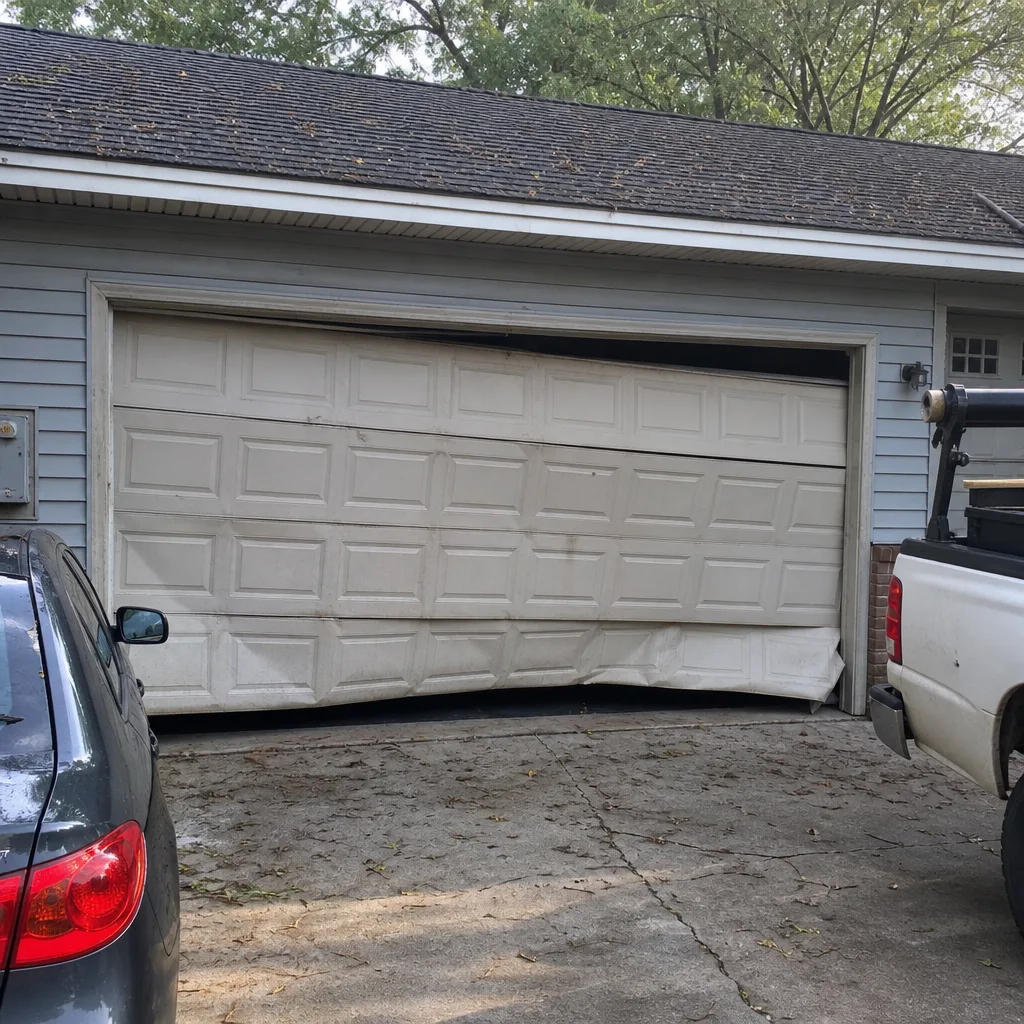 Before
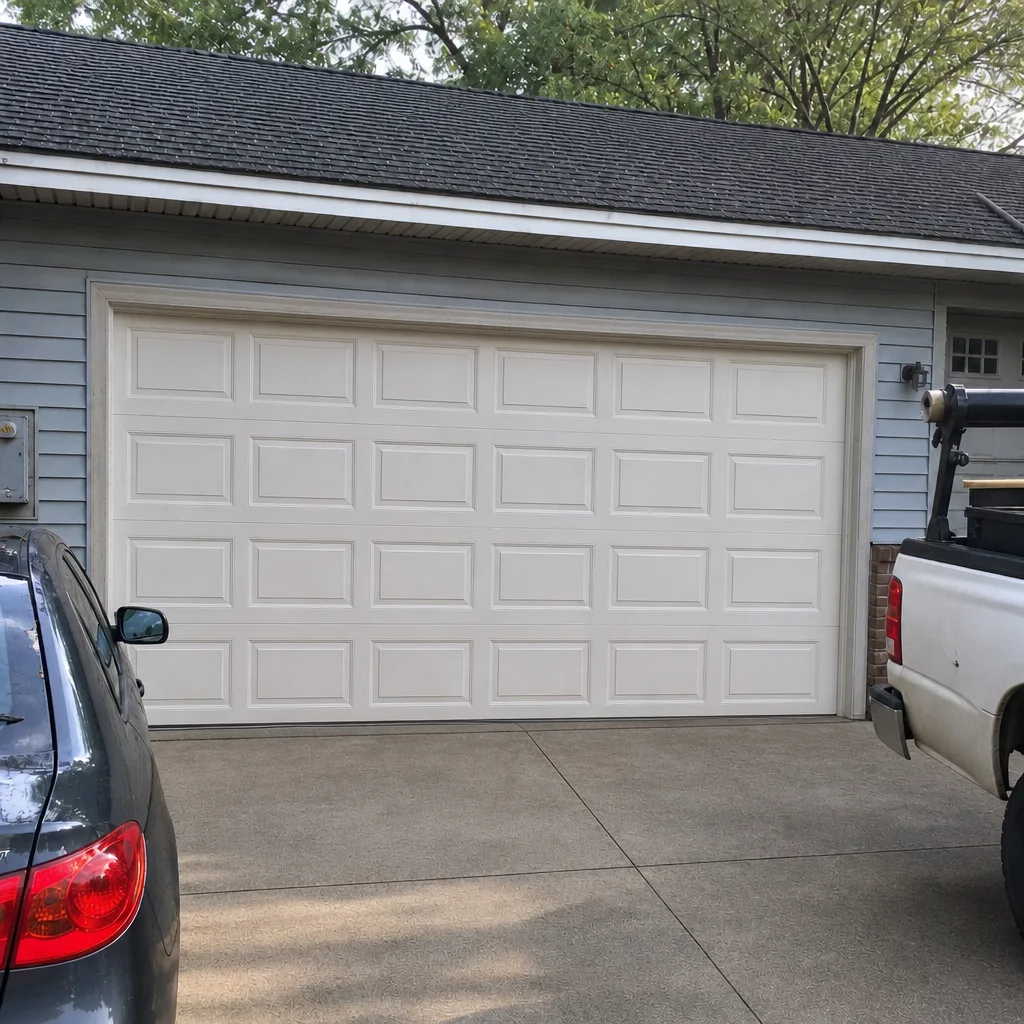 After
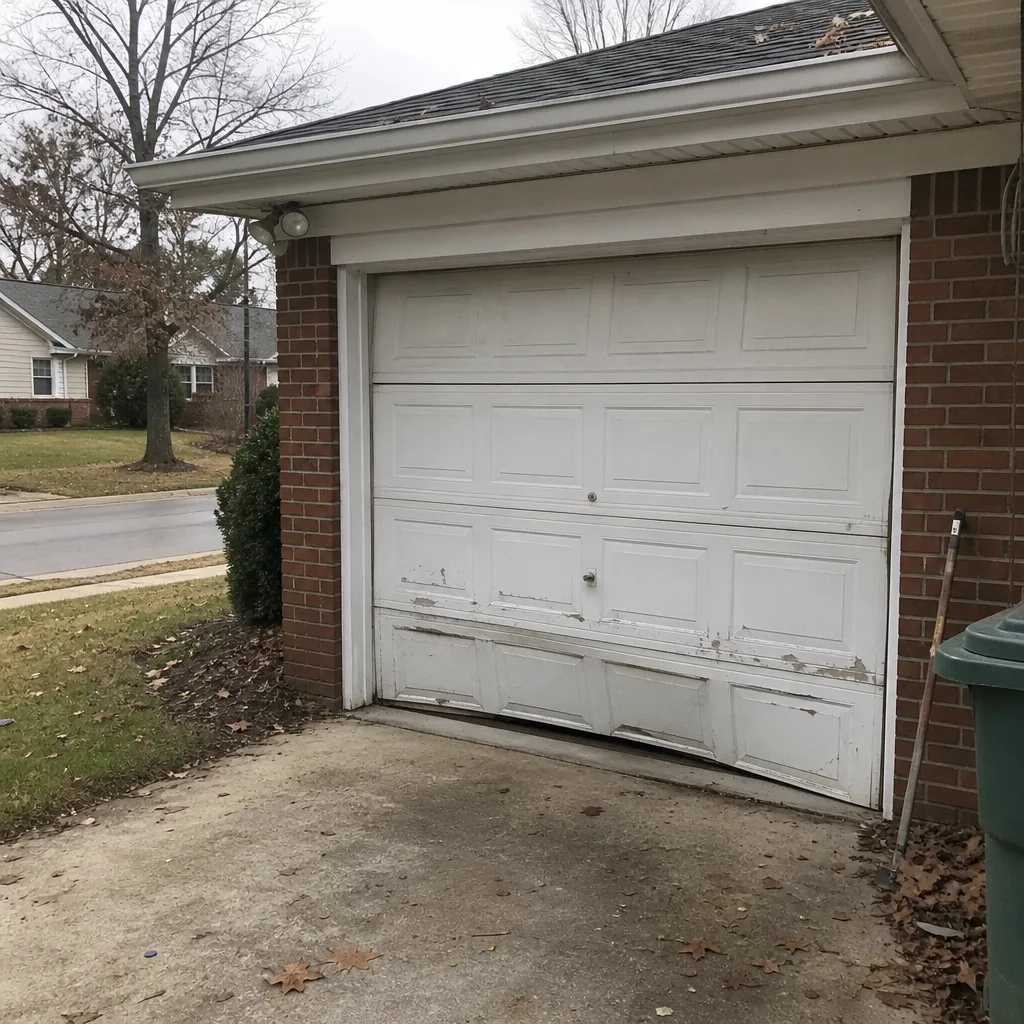 Before
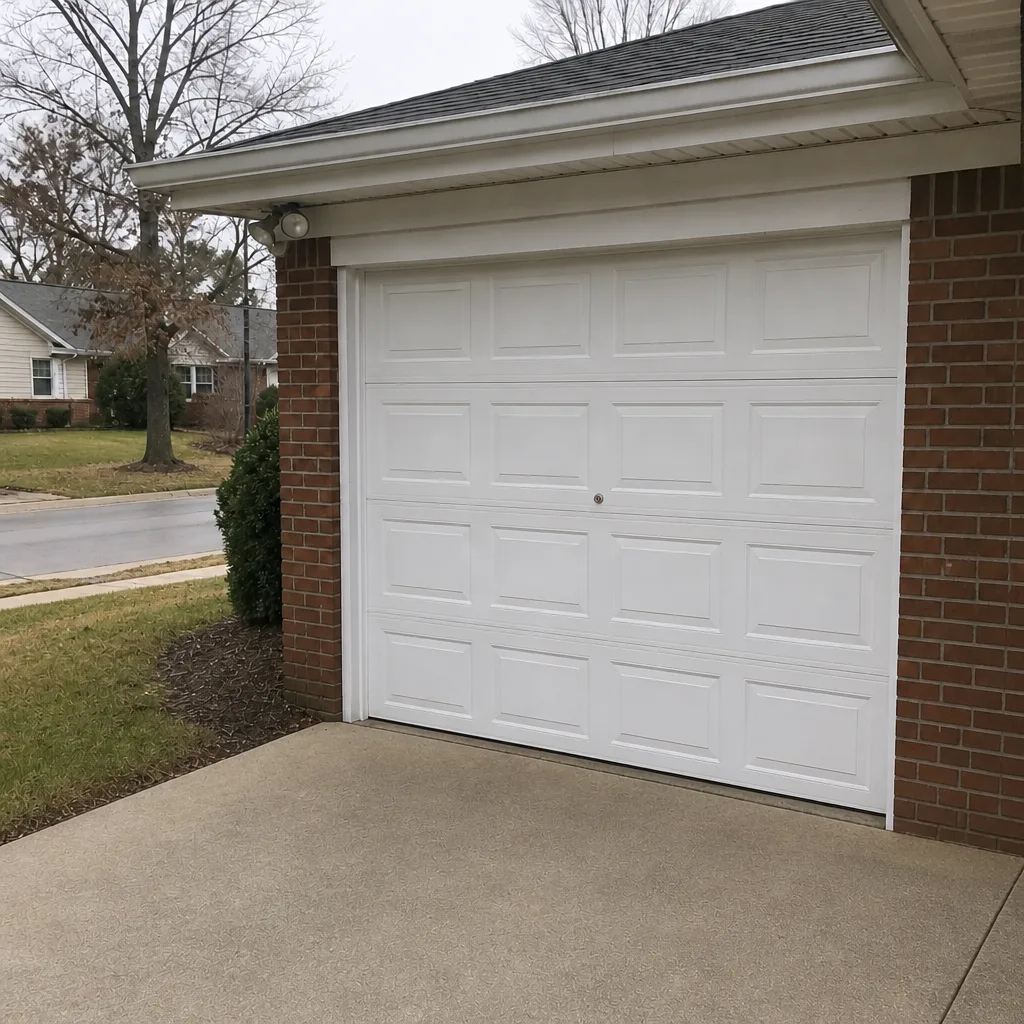 After
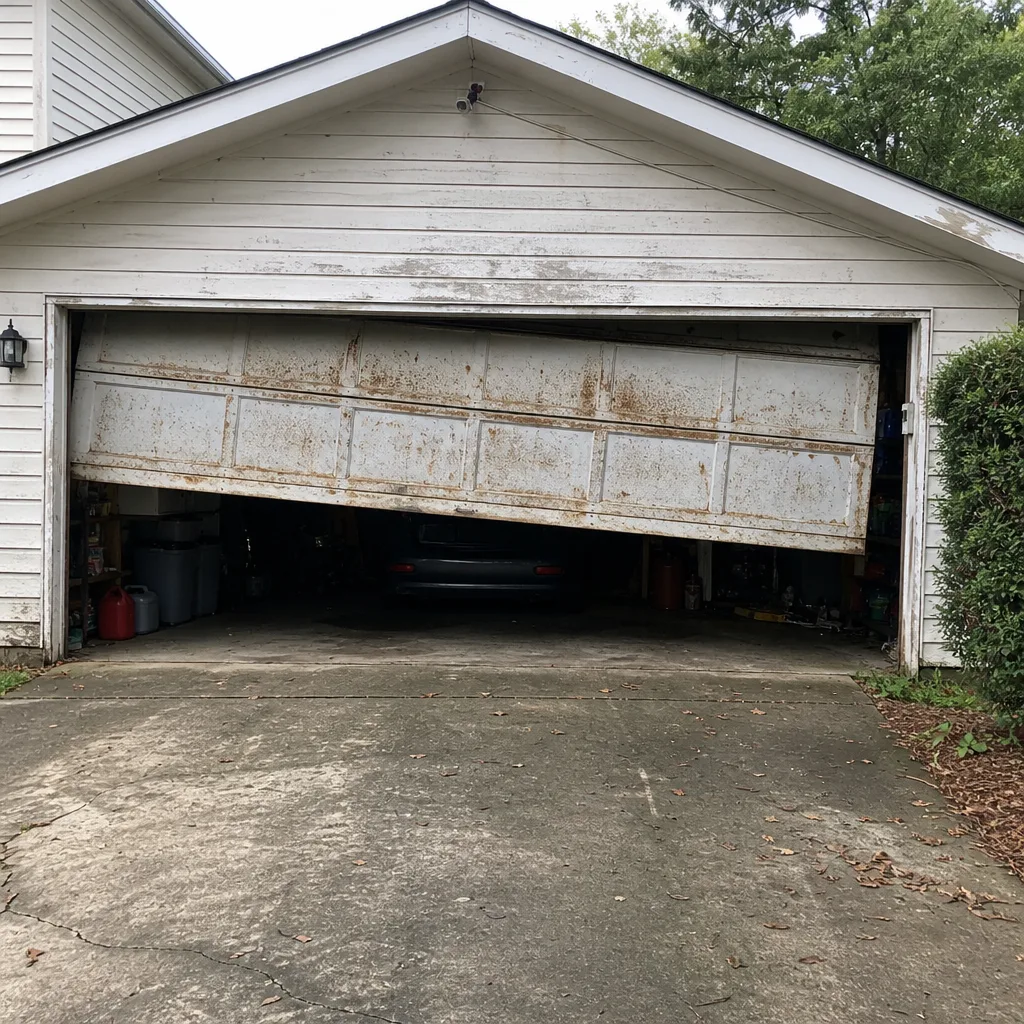 Before
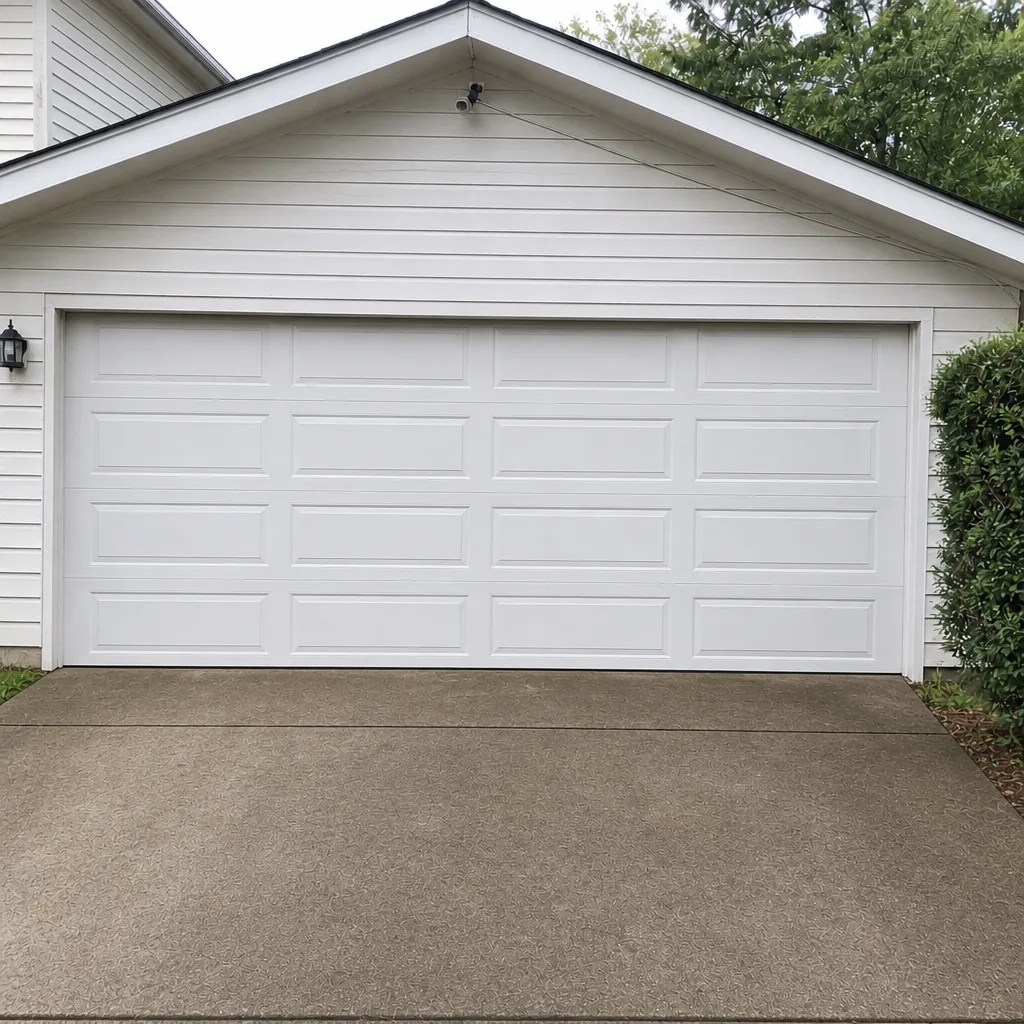 After