
Last updated November 15, 2026
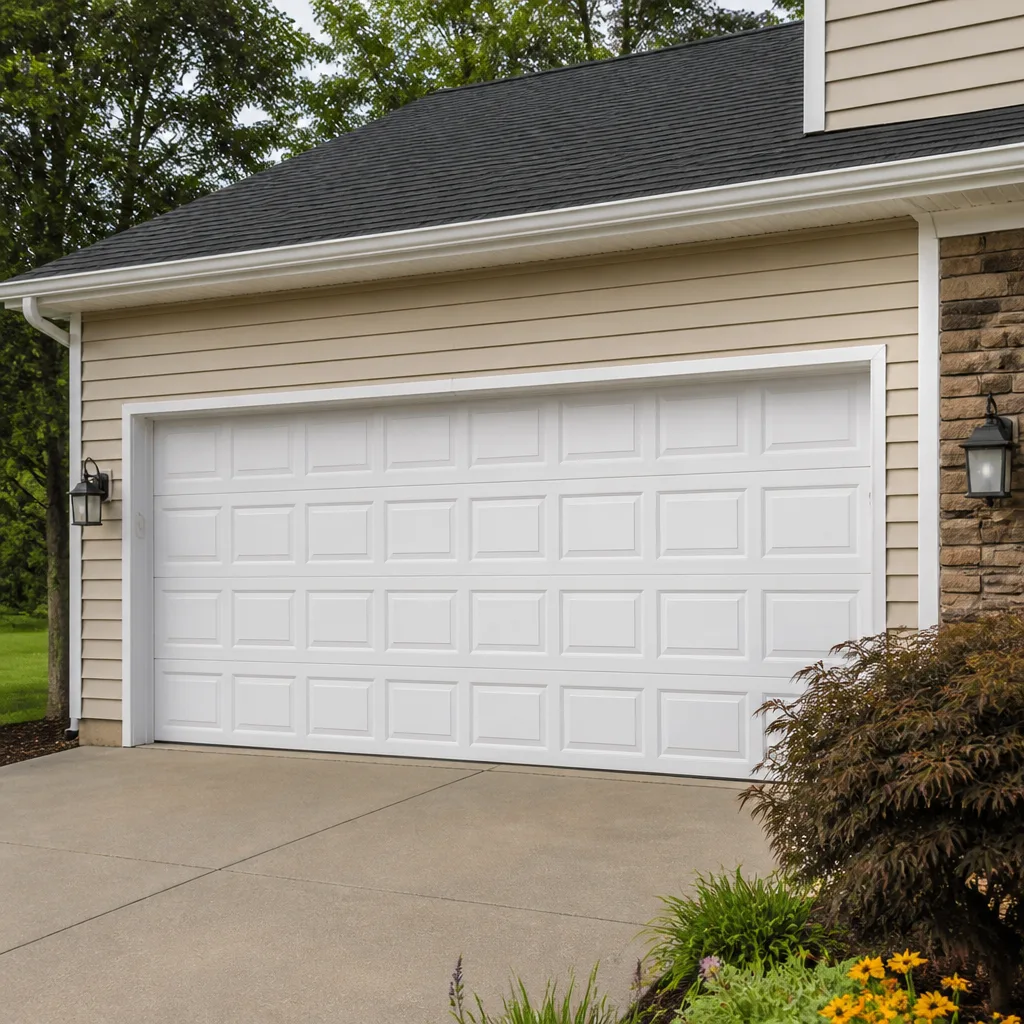 Raised-panel steel
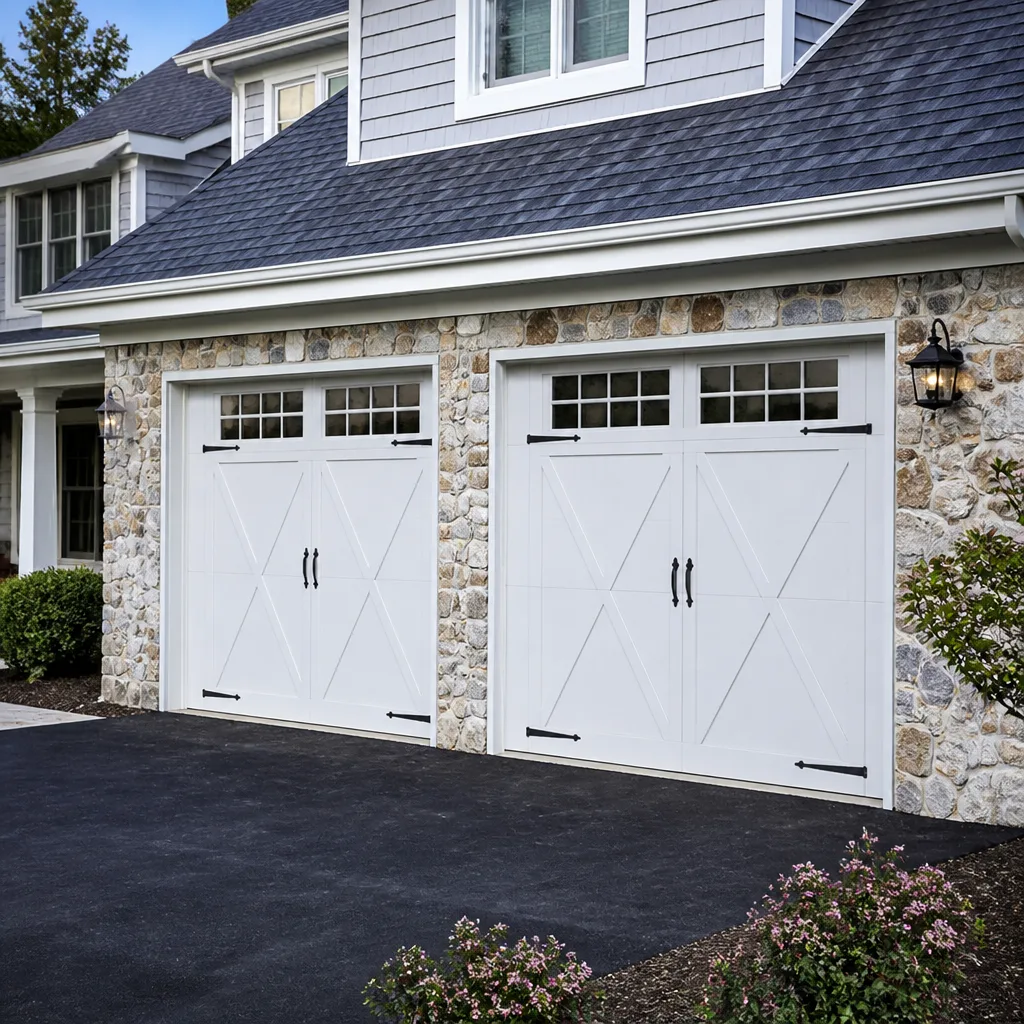 Carriage house
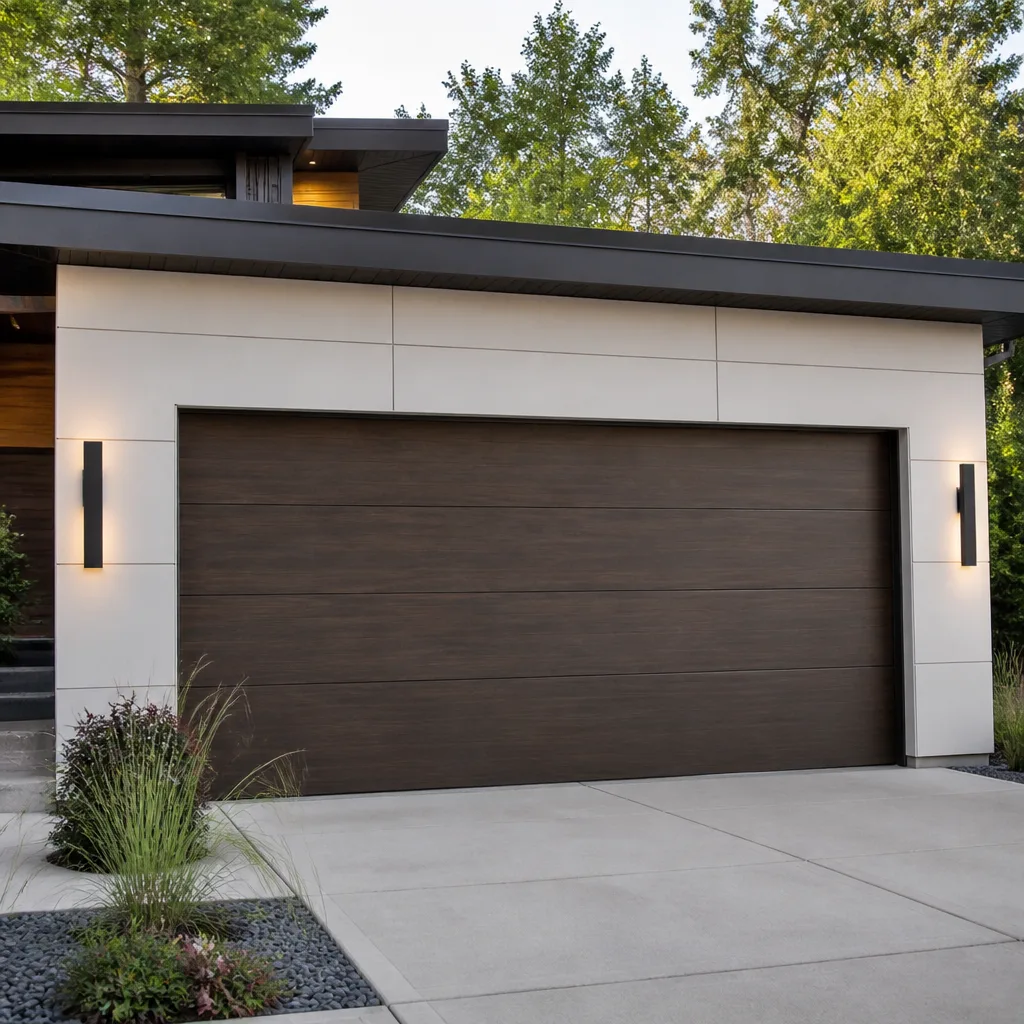 Modern flush
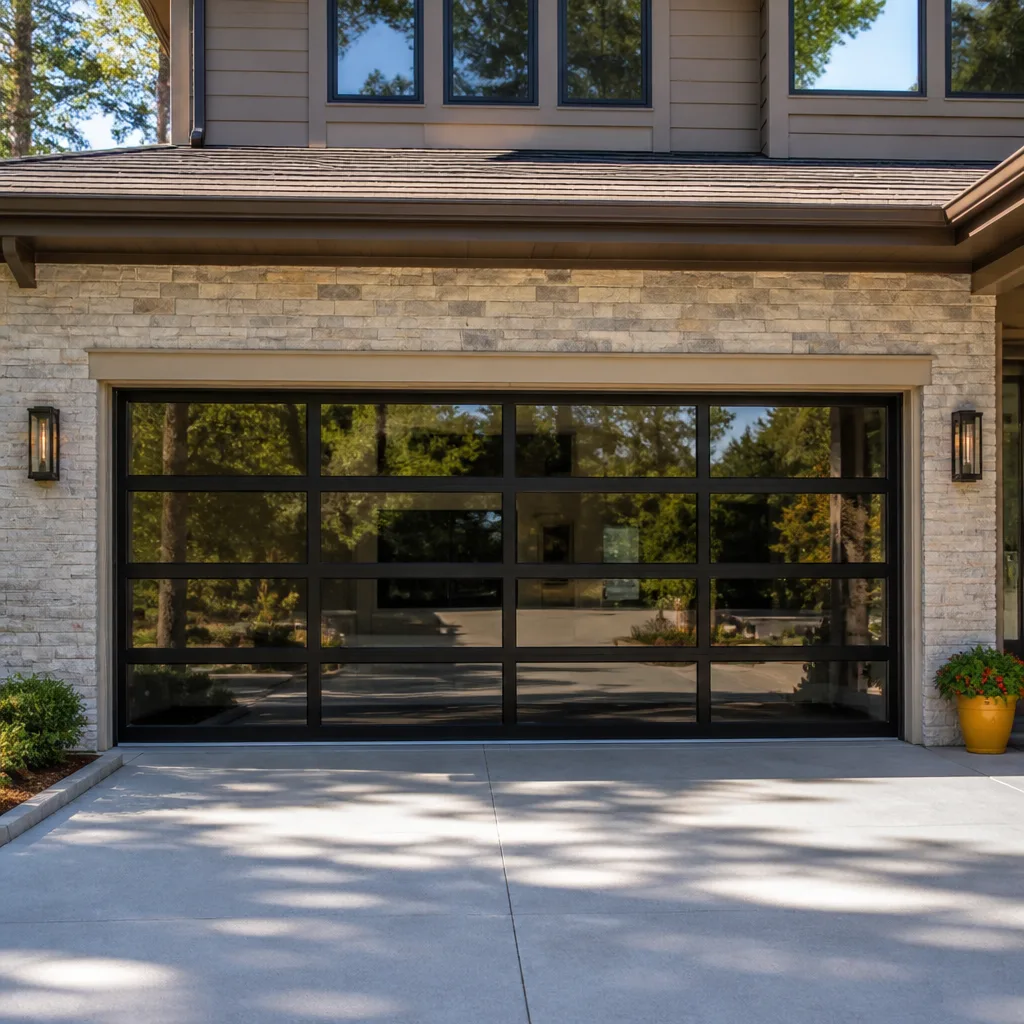 Full-view glass
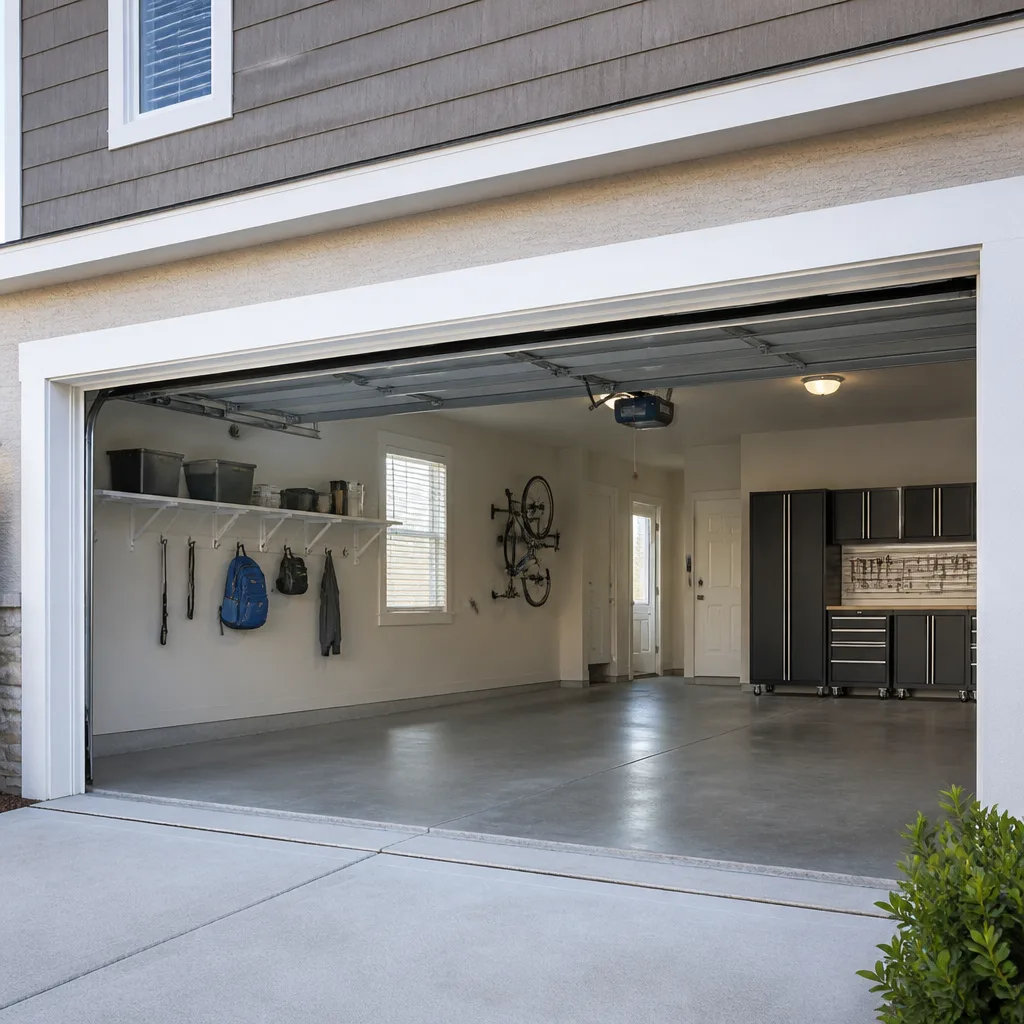 LiftMaster openers
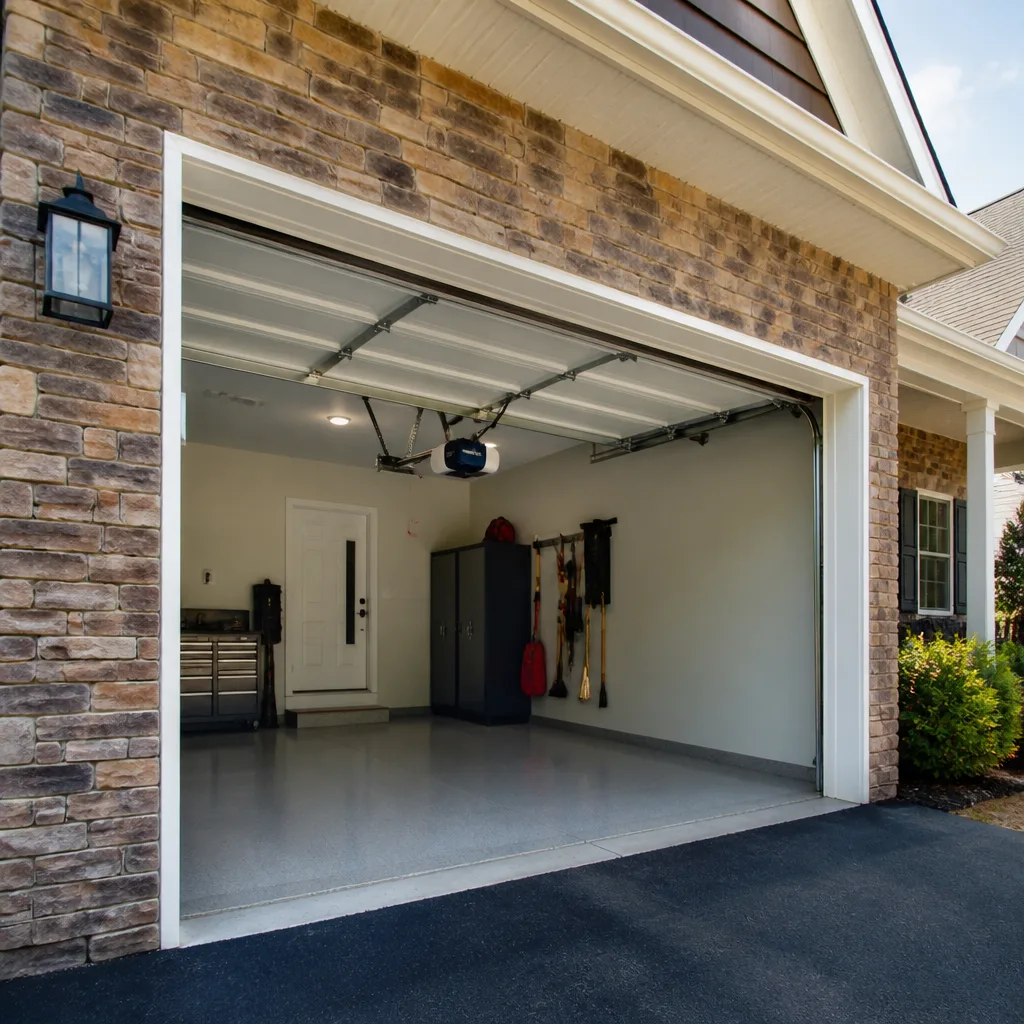 Chamberlain openers
Full 25-point door and opener safety check with every visit - springs, cables, rollers, tracks, and your LiftMaster or Chamberlain opener included
You get a price before we start. It does not change when the pro arrives.
Get your free estimateThe Complete Guide to Garage Doors in Raleigh
Raleigh’s humidity regularly peaks above 85% in summer, and that single fact reshapes almost every garage door decision homeowners here make. Untreated steel panels start to surface-rust. Wooden doors absorb moisture and rack out of square often within three years of installation. Yet most buying guides read as though every garage door in America lives in the same climate. They don’t.
This guide connects the decisions in front of you (material, opener type, insulation, repair versus replace, and when to call for service) to what actually happens to garage doors in the Triangle. Raleigh sits on clay soil that swells and shrinks with the seasons, in a humid subtropical pocket, inside one of the fastest-sprawling metros in the country. All three of those things matter to your door. Here’s how.
Quick Answer
The best garage door for a Raleigh home is usually an insulated steel door with a factory finish, matched to a belt-drive or screw-drive opener sized to the door’s weight, installed and maintained with the humidity and clay soil in mind. Repair makes sense when the panels, springs, and track are sound and the problem is mechanical; replacement makes sense when rust, rot, or repeated alignment problems have compromised the door’s structure. A multi-brand specialist can diagnose which situation you’re in without steering you toward a single manufacturer’s product line.
Styles & brands we work with
- Raised-panel steel
- Carriage house
- Modern flush
- Full-view glass
- LiftMaster openers
- Chamberlain openers
Table of Contents
- Why Raleigh Doors Fail Differently
- Clay Soil, Slab Movement, and Door Alignment
- Door Materials That Survive Triangle Humidity
- Choosing an Opener for a Raleigh Home
- How Your Raleigh Suburb Changes What You Need
- Repair or Replace: A Raleigh Decision Map
- Seasonal Maintenance for Raleigh Doors
- Why Multi-Brand Diagnosis Matters
Why Raleigh Doors Fail Differently
A garage door in Raleigh works harder than the same door in Phoenix or Minneapolis. The reason isn’t one dramatic condition. It’s the combination. Summers bring sustained humidity that pushes moisture into every seam and joint. Winters swing cold enough to contract metal, then warm back up within days. And the ground underneath moves more than most homeowners realize.
In our experience across Raleigh, the failure modes we see most often cluster into a few patterns:
- Surface rust on lower panels. The bottom section of any steel door sits closest to splash-back from rain and lawn irrigation. Under 85% humidity, untreated or poorly finished steel develops rust bloom faster than the homeowner expects.
- Wood doors racking out of square. Wood expands and contracts with moisture. A door that fits perfectly in October can bind in July.
- Spring fatigue on schedule, not early. Springs wear with cycles, not weather, but the humidity-driven weight changes in a wood or poorly sealed door add load the spring wasn’t sized for.
- Track and roller misalignment. Often this traces back to the slab, not the hardware. More on that below.
- Opener strain. A door that’s gotten heavier or stickier from moisture forces the opener to work harder, which shortens the life of the motor, the gears, and the logic board.
None of these are dramatic failures. They’re slow, cumulative wear patterns, which is exactly why they’re easy to miss until something stops working.
Clay Soil, Slab Movement, and Door Alignment
Raleigh sits on expansive clay soil. That clay swells when it’s wet and shrinks when it dries, and it does this seasonally, year after year. The result is that slabs and foundations move slightly more here than in sandy or rocky soil regions. That movement has a direct effect on your garage door.
When a homeowner calls about a door that “won’t close right” or “rubs on one side,” the assumption is usually a bent track or a worn roller. Sometimes it is. But often the track is doing exactly what it was told to, and the slab underneath has shifted just enough to pull the frame slightly out of plumb. The door then binds against a track that was perfectly aligned when it was installed.
What this means in practice:
- A technician who only looks at the door hardware will adjust the track, and it’ll work for a while, then drift back.
- A proper diagnosis checks the frame and the opening, not just the panels and rollers. garage door repair in a slab-movement situation sometimes means re-anchoring or shimming the track to match where the frame actually is now, not where it was on install day.
- If the same door needs alignment work repeatedly, ask whether the slab is the real culprit before approving another adjustment.
This is one of those things that separates a diagnosis from a guess. The hardware is visible. The slab isn’t. A technician who knows the local soil conditions will check both.
Door Materials That Survive Triangle Humidity
Showroom doors look great under controlled lighting and dry air. Raleigh’s climate is neither. Here’s how the common materials actually hold up here, and which ones tend to fail sooner than buyers expect.
Insulated steel is the workhorse choice for most Raleigh homes. Modern steel doors come with factory-applied finishes that hold up well against humidity, and the insulation helps with both temperature and sound. The main risk is the bottom panel, where splash-back and lawn watering can wear the finish. Look for a door with a galvanized or well-coated bottom section, and keep an eye on that edge.
Wood and wood-composite doors look beautiful and can last decades, but they demand more from the homeowner in this climate. Untreated wood absorbs moisture and racks, which can throw the door out of square in a few seasons. Sealed and maintained wood does fine, but it’s a commitment, not a set-and-forget material.
Aluminum resists rust well, which is an advantage in humidity, but standard aluminum doors are lighter and can dent more easily. They’re a reasonable fit for certain styles and lighter-use openings.
Fiberglass and vinyl handle moisture without rusting, though they can fade and chalk over time in strong sun, and they’re less common in the major product lines we service.
Whatever the material, the finish matters more here than in a dry climate. A door with a quality factory finish and a properly sealed bottom edge will outlast a cheaper door that looks identical in the showroom. Brands like Clopay and Amarr offer steel lines with finishes built for humid climates, and it’s worth asking about the finish spec, not just the panel style.
Choosing an Opener for a Raleigh Home
Your opener is the brain of the system. Most homeowners think about it only when it stops working, which is backwards, because the opener you choose affects how long the door lasts and how much maintenance the whole system needs.
Raleigh homes most often have one of three drive types:
- Belt-drive. Quietest option, good for homes with bedrooms above or beside the garage. Slightly higher cost, smoother operation. A strong fit for most Raleigh suburban homes.
- Chain-drive. Durable and less expensive, but louder. Common in older homes and on heavier doors where raw pulling power matters more than quiet.
- Screw-drive. A middle ground: quieter than chain, fewer moving parts than belt, and it handles heavy doors well.
The brand question matters less than the match. LiftMaster and Chamberlain are among the most common openers in Raleigh homes, and Genie and Craftsman models show up often too. What matters is that the opener is correctly sized to the door’s weight and that the safety reverse is adjusted properly. A premium opener on an overweight, misaligned door will still strain and fail early.
Two practical points for this climate:
- Moisture and electronics don’t mix. Humid garages can shorten the life of opener logic boards in any brand. Keeping the opener housing dry and the door sealed helps.
- If your opener is straining, fix the door first. A door that’s heavier from moisture or binding on a shifted track will wear out a new opener just as fast as the old one. garage door opener repair often starts with the door, not the motor.
How Your Raleigh Suburb Changes What You Need
“Raleigh” covers a lot of ground, and the door in an older Cary ranch isn’t the same door in a newer Fuquay-Varina build. The age and style of your home’s construction shapes your likely door size, opener type, and insulation needs.
Older Cary and central Raleigh ranches often have single-car garages with narrower doors, older chain-drive openers, and thinner (or no) insulation. These homes tend to have more alignment issues tied to older slabs and settled frames. If you’re replacing a door here, misalignments and non-standard sizing are common things to plan for.
Newer builds in Fuquay-Varina, Holly Springs, and Wake Forest typically have two-car garages with wider doors and modern openers, often belt-drive. Insulation is more common, but the doors may be heavier and taller, which raises the demands on the opener and the springs. Newer isn’t maintenance-free either; builder-grade doors sometimes use lighter components that wear sooner under humid conditions.
Homes in Apex or Wake Forest with west- or south-facing garages get more afternoon sun, which accelerates finish fading and can increase the heat load on the door, which in turn stresses insulation. If the door faces the sun for much of the day, finish quality matters more.
The practical upshot: before you buy or repair, it helps to know your door’s actual dimensions, its weight, and whether the opener is matched to it. A specialist who works across brands and neighborhoods can tell you what your specific opening needs instead of selling you a standard package.
Repair or Replace: A Raleigh Decision Map
This is the question most homeowners actually want answered. And in Raleigh, the climate wear patterns make the threshold a little different than a generic guide would suggest. Here’s how we think through it.
Repair usually makes sense when:
- The springs are worn but the panels and track are sound. Spring replacement is a standard fix and restores full function.
- The opener needs a gear, a logic board, a safety sensor, or a belt, but the door itself is healthy.
- The door is off its track because of a shifted slab or a loose anchor, and the frame can be reset.
- The issue is a single roller, hinge, or cable, with the rest of the system in good condition.
Replacement usually makes sense when:
- Multiple panels show rust-through or rot, not just surface bloom. Once the steel or wood is compromised, patching becomes a losing battle in this humidity.
- The door racks or binds repeatedly, and the frame or slab can’t be reliably reset.
- The door is uninsulated, undersized for the opening, or a style that no longer matches the home, and you’re already facing a larger repair.
- Repair costs are climbing toward the price of a new door, and the existing door is near the end of its realistic life.
A short decision sequence:
- Check the door’s structure first: panels, frame, track. If the structure is sound, you’re most likely in repair territory.
- Check the opener separately. An old opener on a sound door is an easy repair or swap.
- Check the slab and frame alignment if the door has been binding or misbehaving repeatedly.
- Only then weigh replacement, and compare a written estimate against the repair cost.
Repair or replace, we’ll tell you which one actually makes sense. The written estimate sets the final price, and it’s quoted before any work starts.
Seasonal Maintenance for Raleigh Doors
A little maintenance goes further in a humid climate than most homeowners expect. None of this is complicated, but it needs to happen on a schedule rather than after something breaks.
Spring (before the heat):
- Wipe down the bottom panel and touch up any finish wear before humid season starts. A sealed edge resists rust better than a bare one.
- Test the safety reverse by placing an object in the door’s path and confirming it reverses.
- Check that the door moves smoothly by hand, with the opener disconnected, to catch binding early.
Summer (peak humidity):
- Listen for new noises. Grinding, popping, or a door that hesitates can signal a spring or roller starting to fail.
- Watch the bottom edge for early rust bloom and the frame for any gap changes.
- Keep the opener housing dry and check that the door seals against the frame when closed.
Fall and winter:
- Clear debris from the track and check the rollers for flat spots.
- Lubricate the moving parts following the manufacturer’s guidance.
- Re-check alignment after the first cold snap, since clay shrinkage can shift a frame slightly.
One safety note: garage door springs are under extreme tension and are genuinely dangerous to touch. Don’t attempt to adjust, remove, or replace springs or the cables under tension yourself. That’s a job for a trained professional with the right tools. The same goes for any work around the opener’s electrical connections. What you can check safely is the door’s movement, the finish, and the general condition, and a professional should handle the rest.
Why Multi-Brand Diagnosis Matters
Raleigh homes run the full range of garage door brands. A single block can have a Wayne Dalton door on one house, a Craftsman opener next door, and a Raynor system a few doors down. A specialist who works across product lines can read the system in front of them instead of applying one brand’s playbook to another brand’s equipment.
This matters for a few practical reasons:
- Diagnosis is faster. A technician who knows the quirks of a LiftMaster logic board and the differences in a Genie drive system doesn’t have to guess. They’ve seen the failure before.
- Recommendations stay honest. A brand-agnostic specialist isn’t locked into one manufacturer’s ecosystem, so the recommendation follows what your door actually needs. A single-brand dealer will steer you toward their line by default.
- No hand-offs. When one company handles repair, opener work, and installation, you get a single point of contact from diagnosis through completion. You’re not referred out because your brand “isn’t ours.”
Orchard Garage Door Repair works on the brand you already have, across Wayne Dalton, Craftsman, Raynor, LiftMaster, and the rest of the major lines. One call covers it. Our technicians have up to experience, and the work is done methodically. The Orchard name is about cultivation rather than a rushed next ticket, and we care about the equipment in front of us.
Common Mistakes to Avoid
- Choosing a door material by showroom looks alone. A wood door that looks beautiful in a dry showroom can rack within a few seasons in Raleigh’s humidity unless it’s sealed and maintained. Ask about finish and climate suitability, not just style.
- Assuming every alignment problem is a bent track. If a door keeps drifting out of alignment, the slab may be moving with the clay. Repeated track adjustments without checking the frame are a common dead end.
- Replacing the opener before fixing the door. If the door is binding or overweight, a new opener will wear out fast. Fix the door first, then the opener.
- Ignoring the bottom panel. The bottom section sees the most moisture and splash-back. Unchecked rust there spreads upward and can force an early replacement.
- Using one door’s specs to plan another. A single-car Cary ranch and a two-car Fuquay-Varina build need different door sizes, weights, and opener capacities. Measure before you buy.
- Handling springs or cables as a DIY project. Garage door springs are under high tension, and a mistake can cause serious injury. Leave that work to a trained professional.
- Skipping the maintenance schedule. Small issues, caught early in a humid climate, stay cheap. Left alone, they compound into structural wear.
See the difference
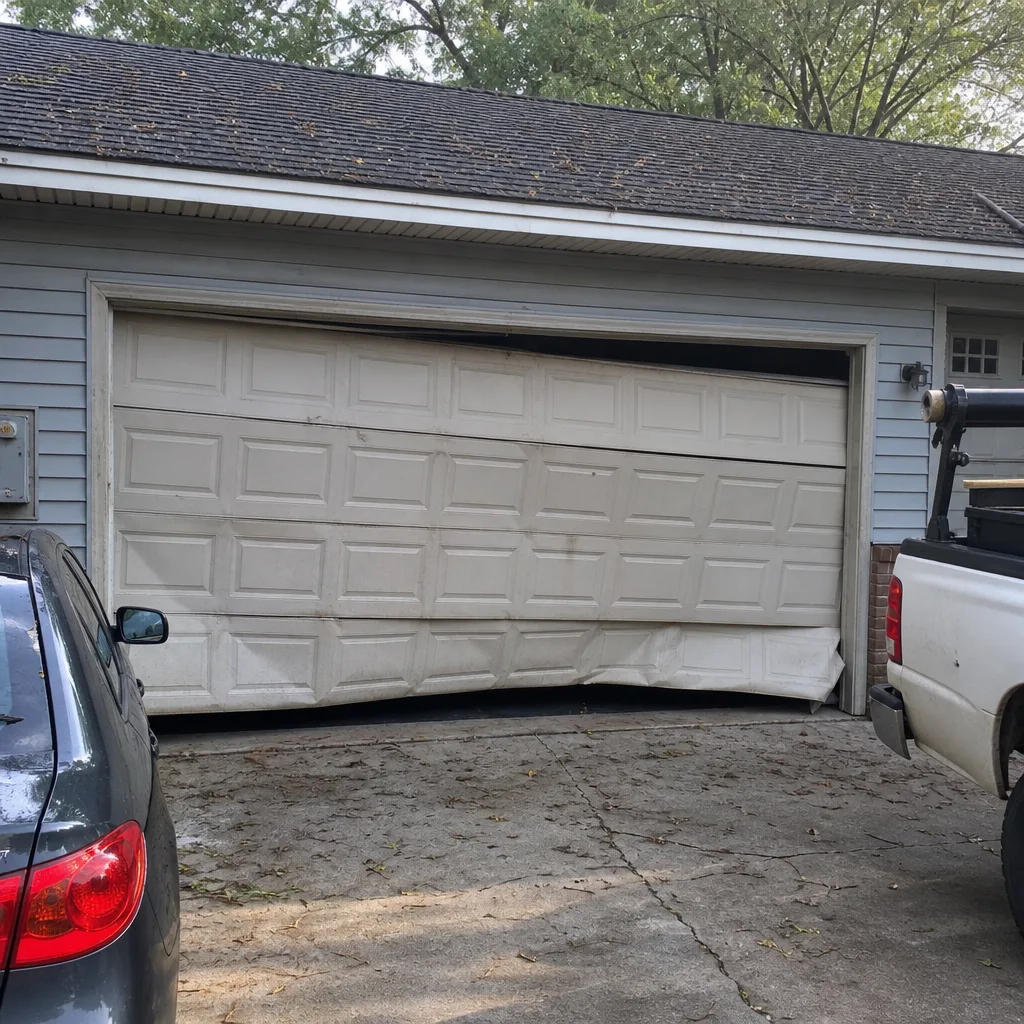 Before
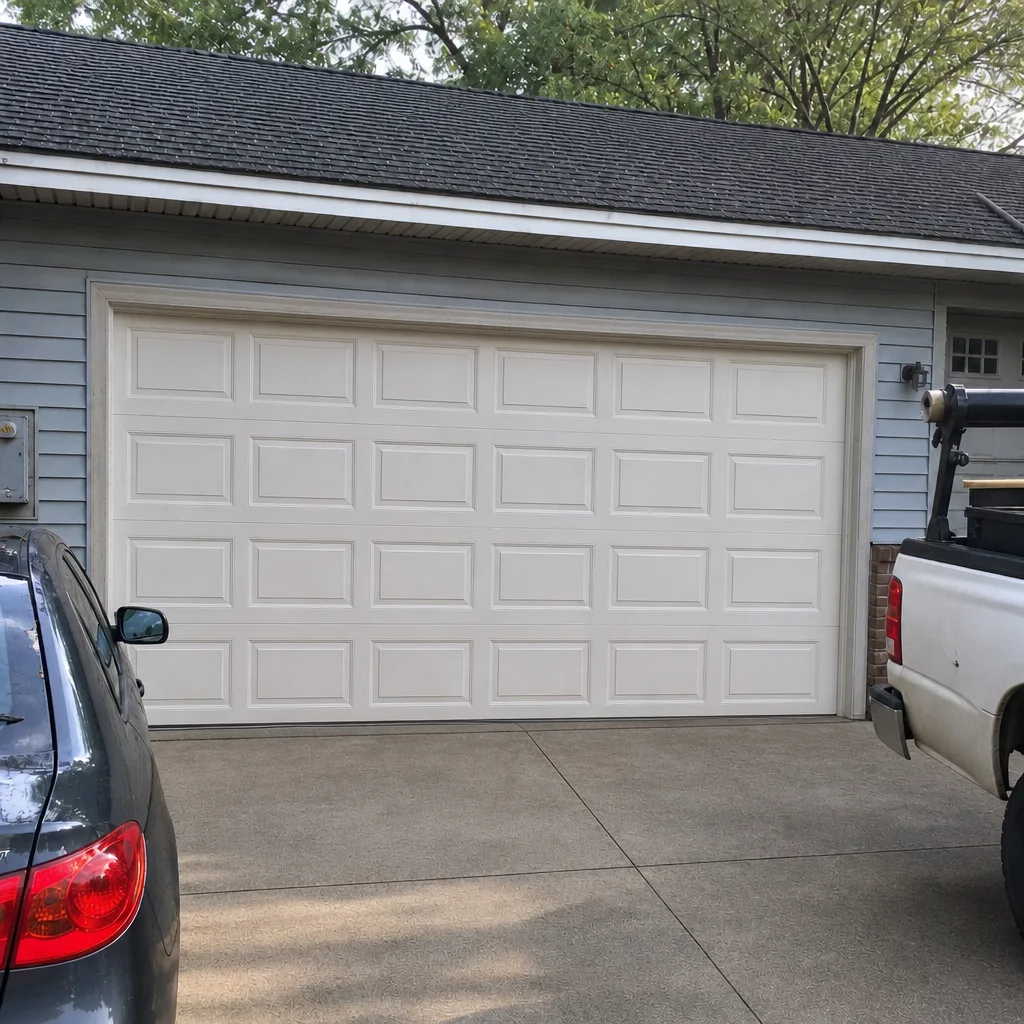 After
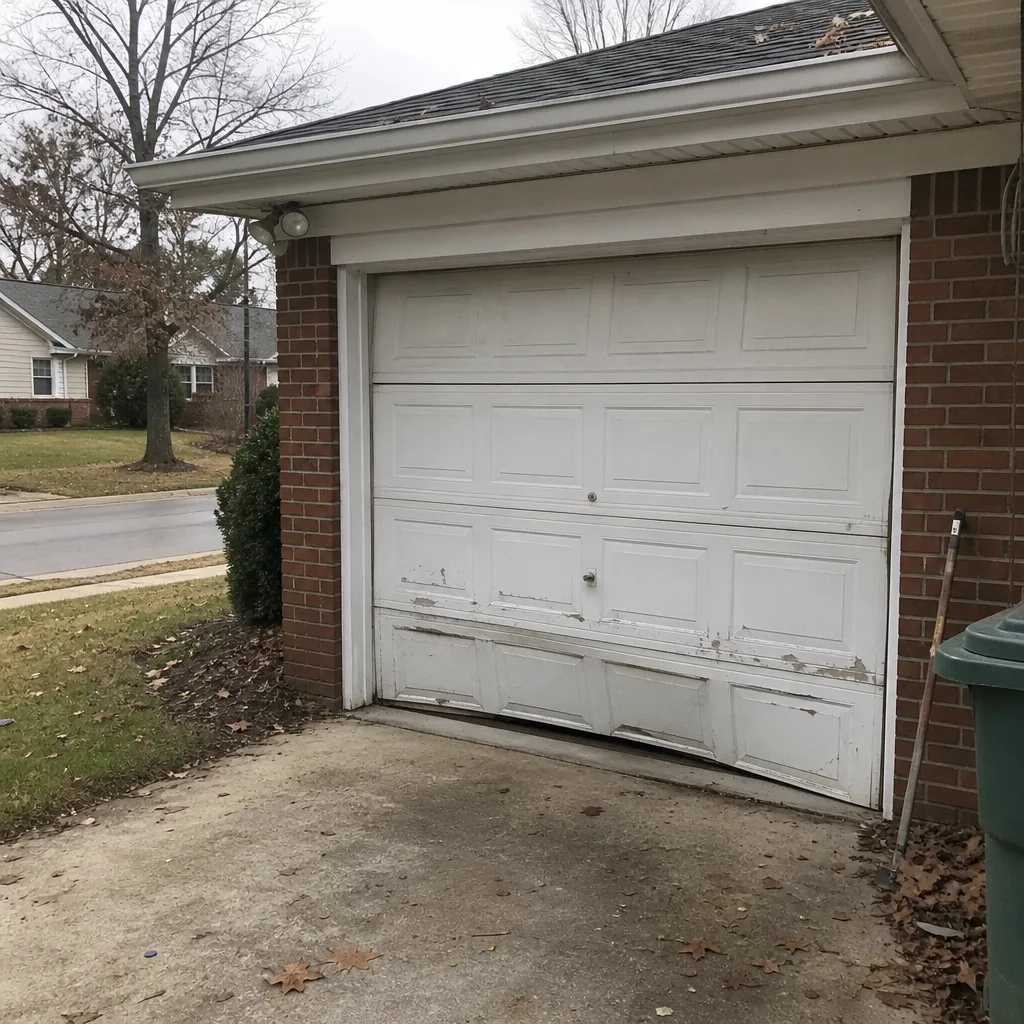 Before
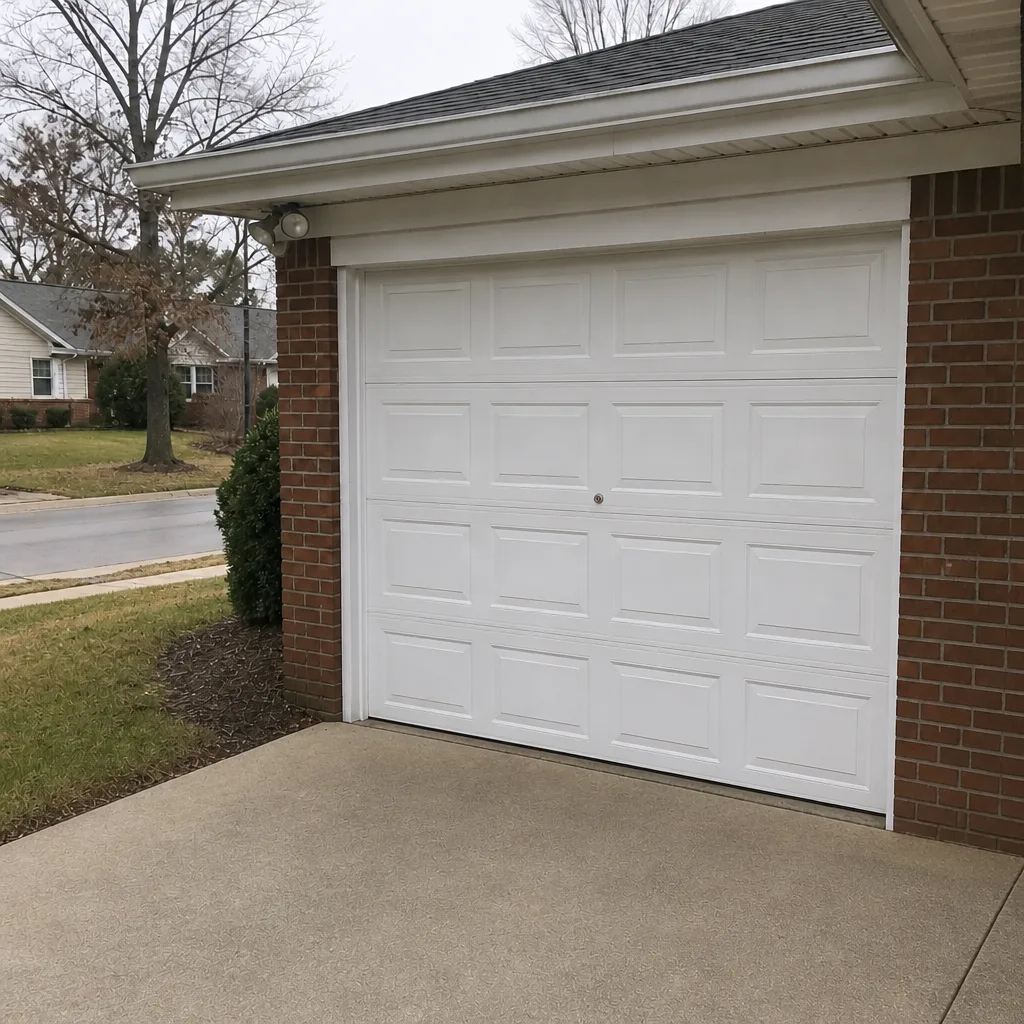 After
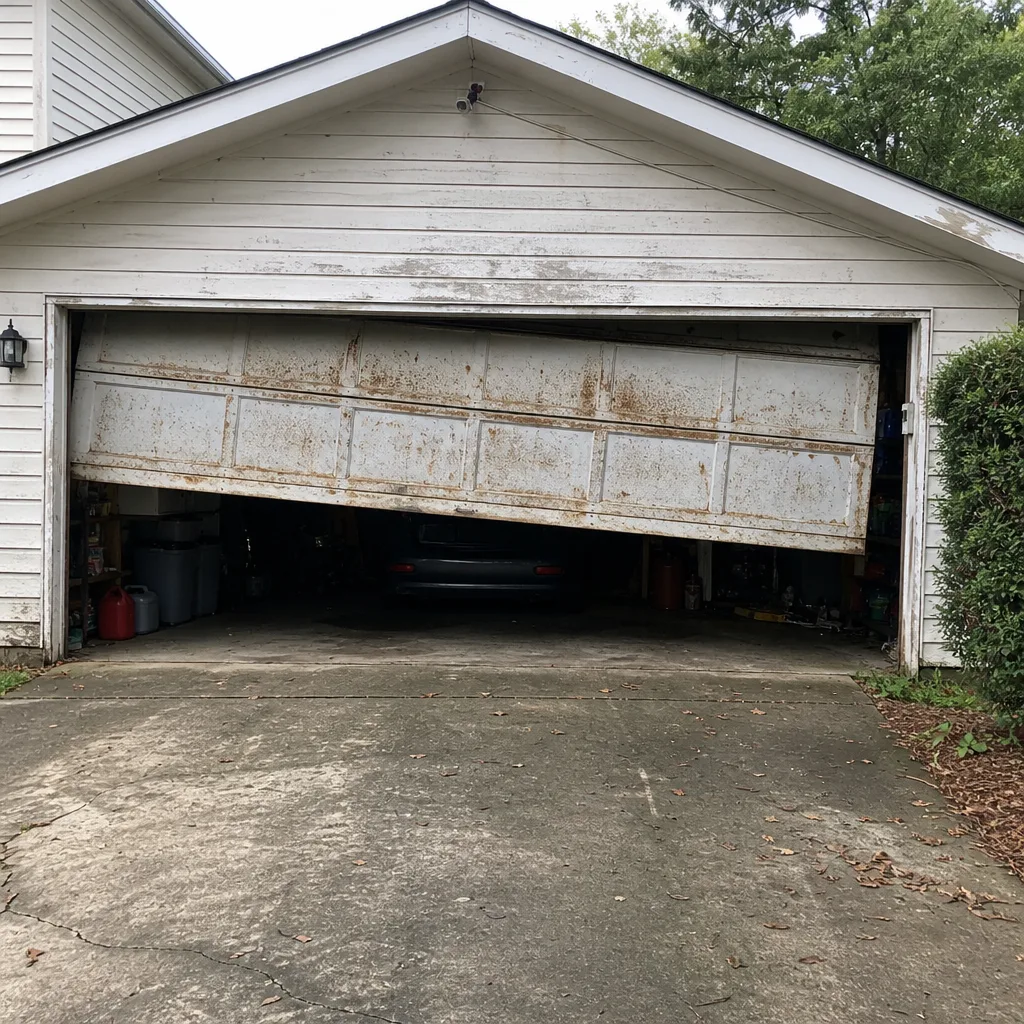 Before
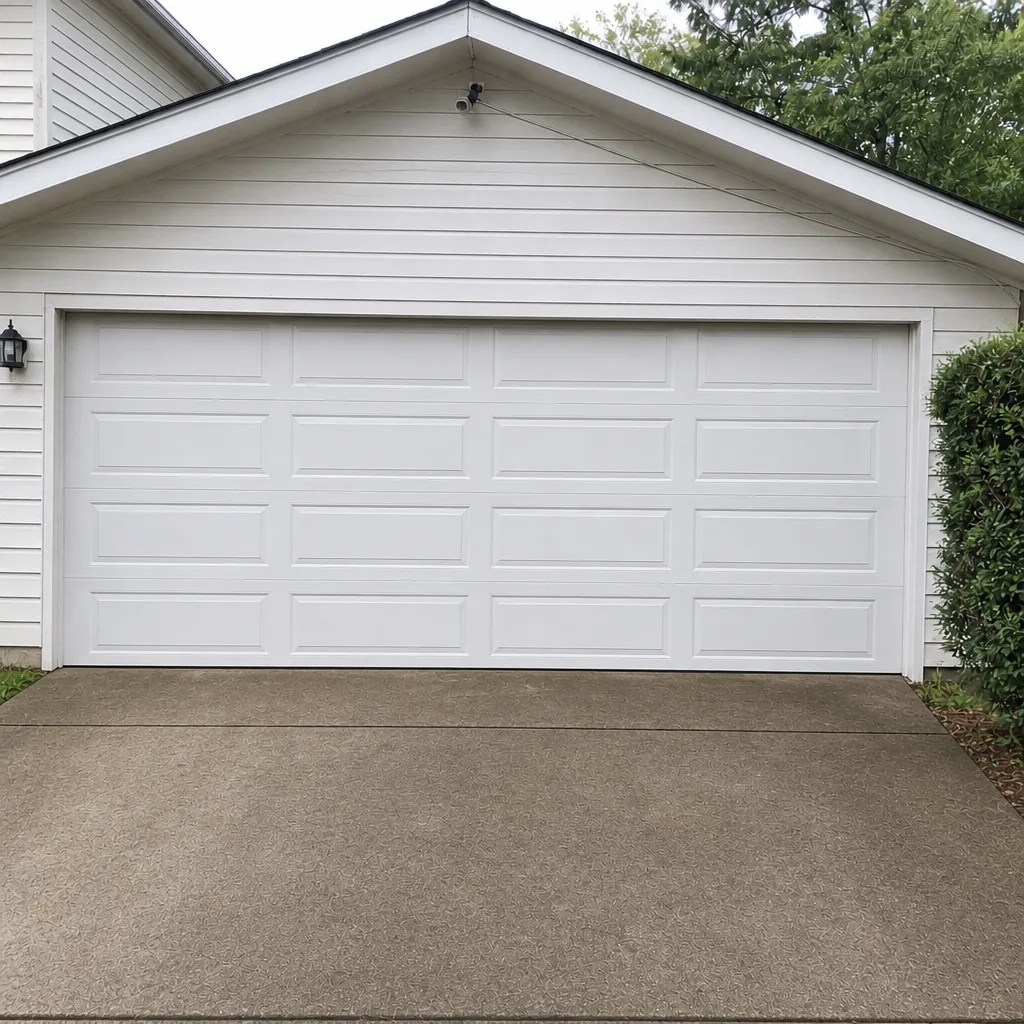 After
When to Call a Professional
Some problems are safe to check yourself, and some aren’t. Call a professional if the door won’t close or reverse properly, if you hear a loud pop from the spring area, if the door is visibly crooked or off its track, if the opener runs but the door doesn’t move, or if the door binds and you can’t tell why. Also call if the bottom panel has rust-through or the wood has started to rot. While you’re deciding, we answer 24/7, and we offer free estimates in Raleigh. Orchard Garage Door Repair handles repair, opener work, and installation across the major brands, so you get one call and one diagnosis. Call (866) 942-6232. We answer 24/7. Fast dispatch from 7am to 7pm, Sunday through Friday.
Frequently Asked Questions
Insulated steel with a quality factory finish is the most reliable choice for most Raleigh homes. Steel resists the humidity-driven rot and racking that wood is prone to, and modern finishes hold up well when the bottom edge is properly sealed. Wood can work if it’s sealed and maintained, but it demands more care in this climate.
Frequent misalignment often traces back to the slab, not the hardware. Raleigh’s expansive clay soil swells and shrinks with the seasons, which can shift a frame just enough to make the door bind against its track. A proper diagnosis checks the frame and opening, not just the rollers and panels. Call (866) 942-6232 for an exact assessment, and estimates are free.
Permit rules vary by project and jurisdiction, so it’s worth checking with the city’s building department before you replace. Requirements can differ for like-for-like swaps versus structural changes like widening an opening. Ask directly when you plan the project, and don’t assume a new door is automatically permit-free.
We can often arrange same-day service for repair calls. We answer 24/7, and fast dispatch from 7am to 7pm keeps repair visits moving. Call (866) 942-6232 for an exact quote, and estimates are free.
Repair makes sense when the springs, opener, or hardware are the problem and the panels and frame are sound. Replacement makes sense when panels have rust-through or rot, the door racks repeatedly, or the structure is compromised. A written estimate makes the comparison straightforward, and we’ll tell you which makes sense.
Yes. Our technicians are licensed and insured, and they have up to experience across the major garage door and opener brands. The price is quoted and agreed before any work starts, so there are no surprises on the invoice. Call (866) 942-6232 for an exact quote, and estimates are free.
The Bottom Line
Raleigh’s humidity, clay soil, and fast-growing suburbs shape every garage door decision, from the material you choose to the maintenance you schedule. Insulated steel with a good finish stands up best to Triangle conditions. Alignment problems often start at the slab, not the hardware. Openers need to match the door’s weight, and the door needs to be healthy before the opener gets replaced. Brands vary from home to home, so a multi-brand specialist who reads the system in front of them, rather than a single-brand dealer or a generalist handyman, is the one who’ll diagnose it correctly the first time. Start with an honest repair-or-replace assessment. Orchard Garage Door Repair offers free estimates in Raleigh. Call (866) 942-6232. We answer 24/7. Fast dispatch from 7am to 7pm, Sunday through Friday.
Written by the team at Orchard Garage Door Repair.