
Last updated November 15, 2026
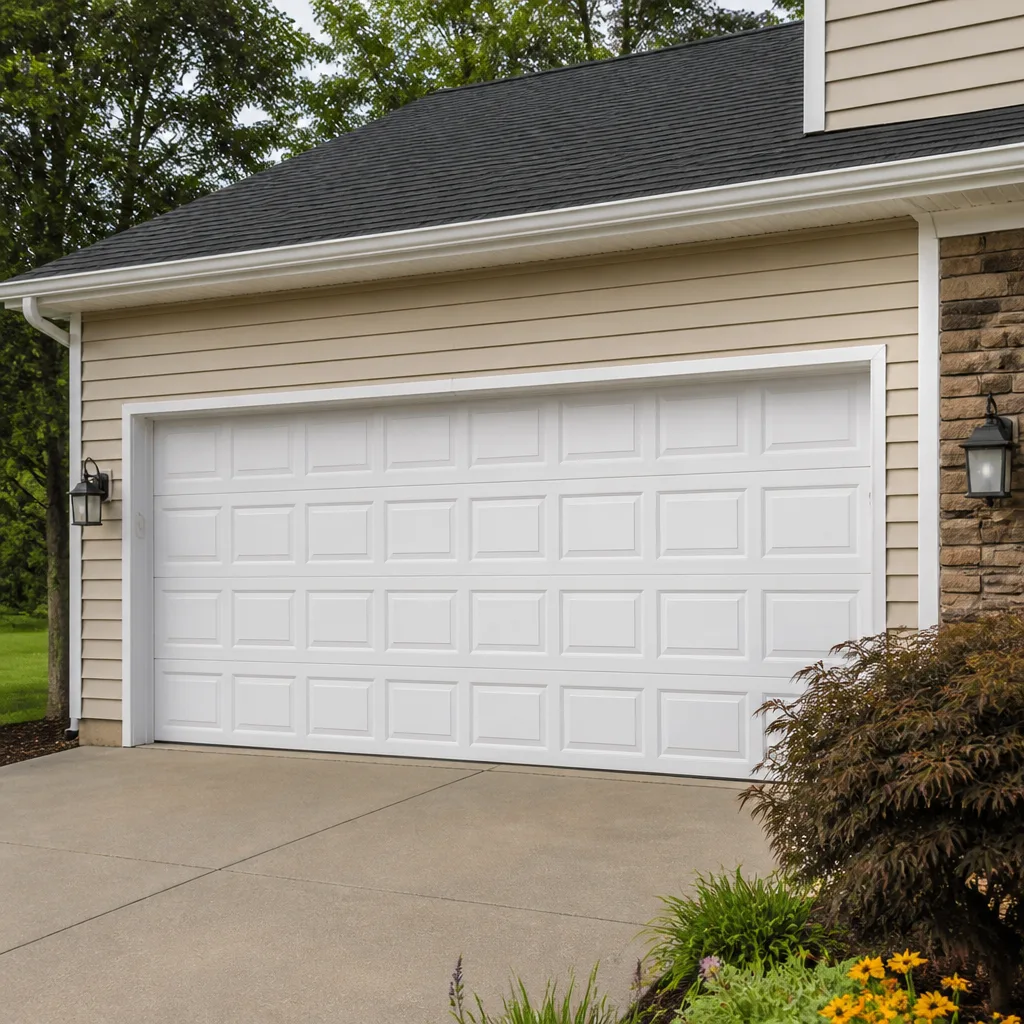 Raised-panel steel
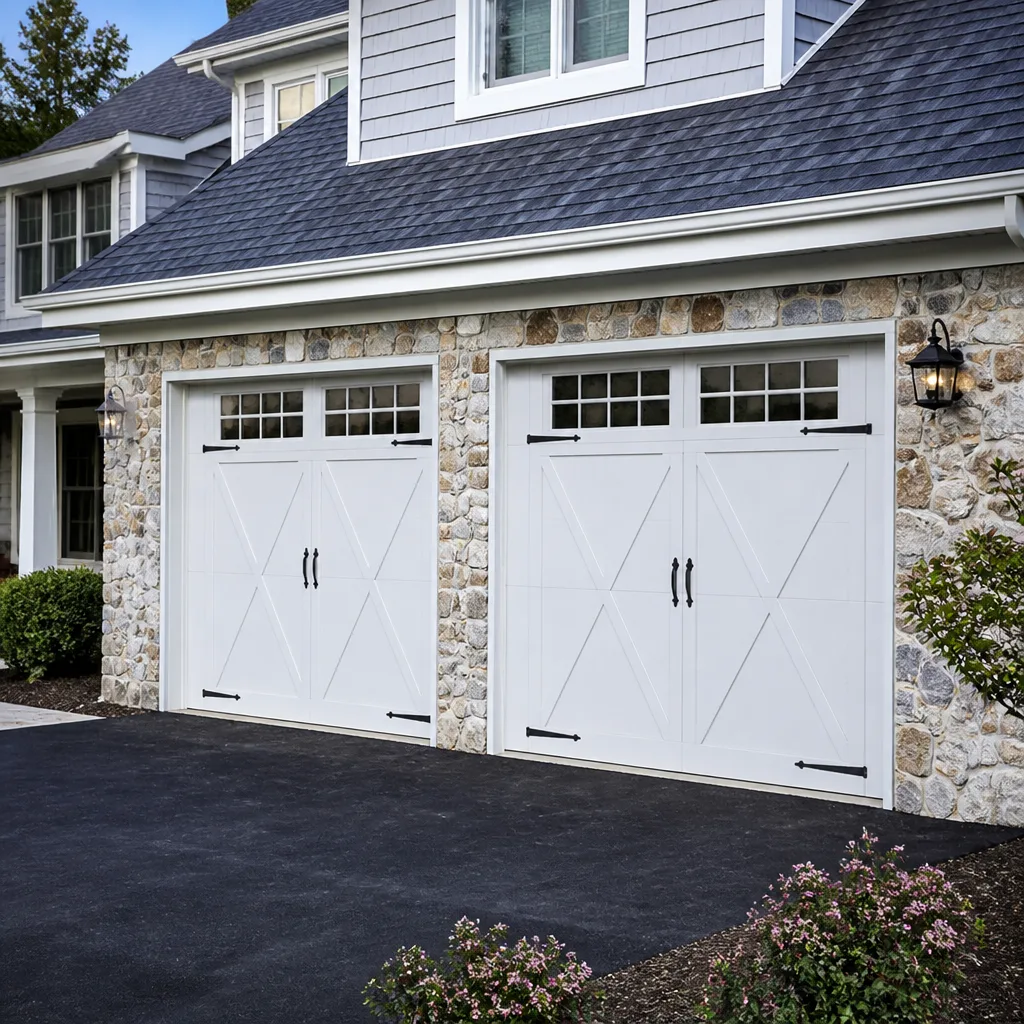 Carriage house
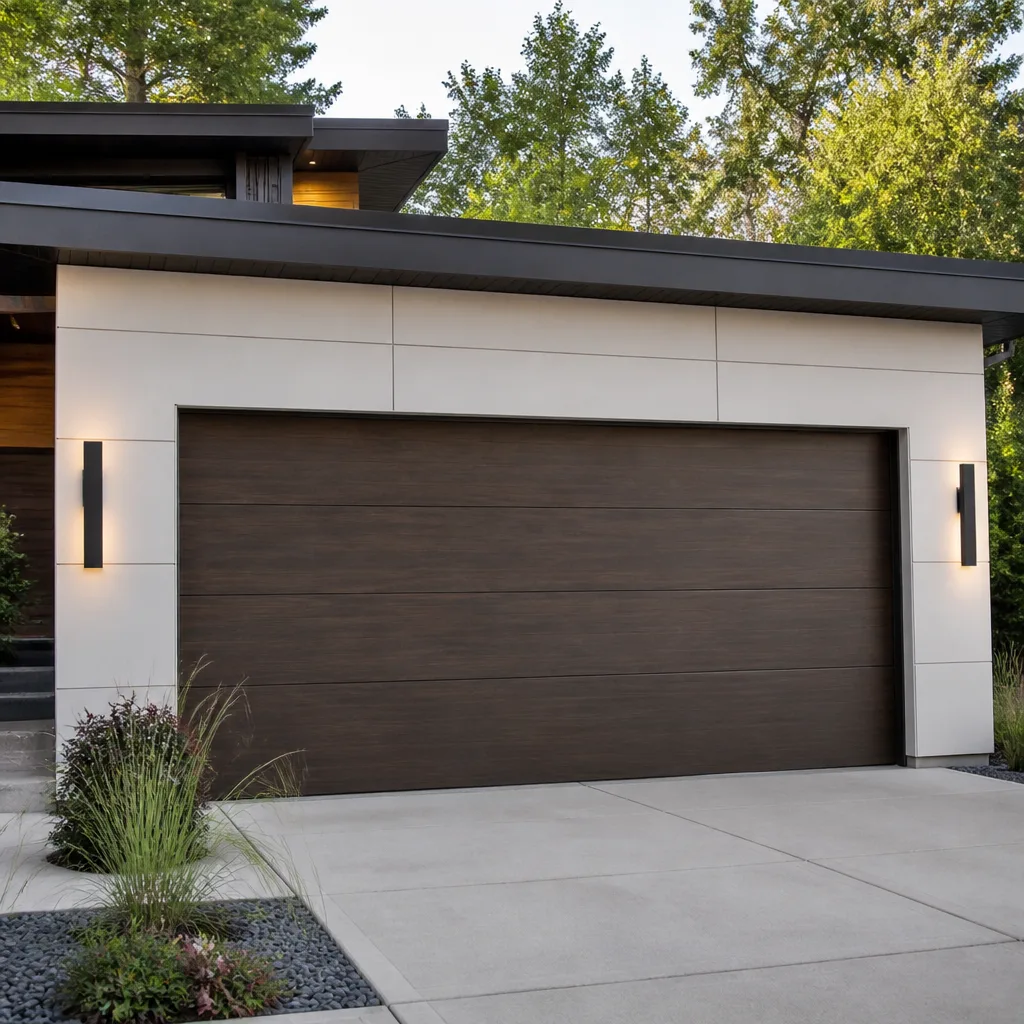 Modern flush
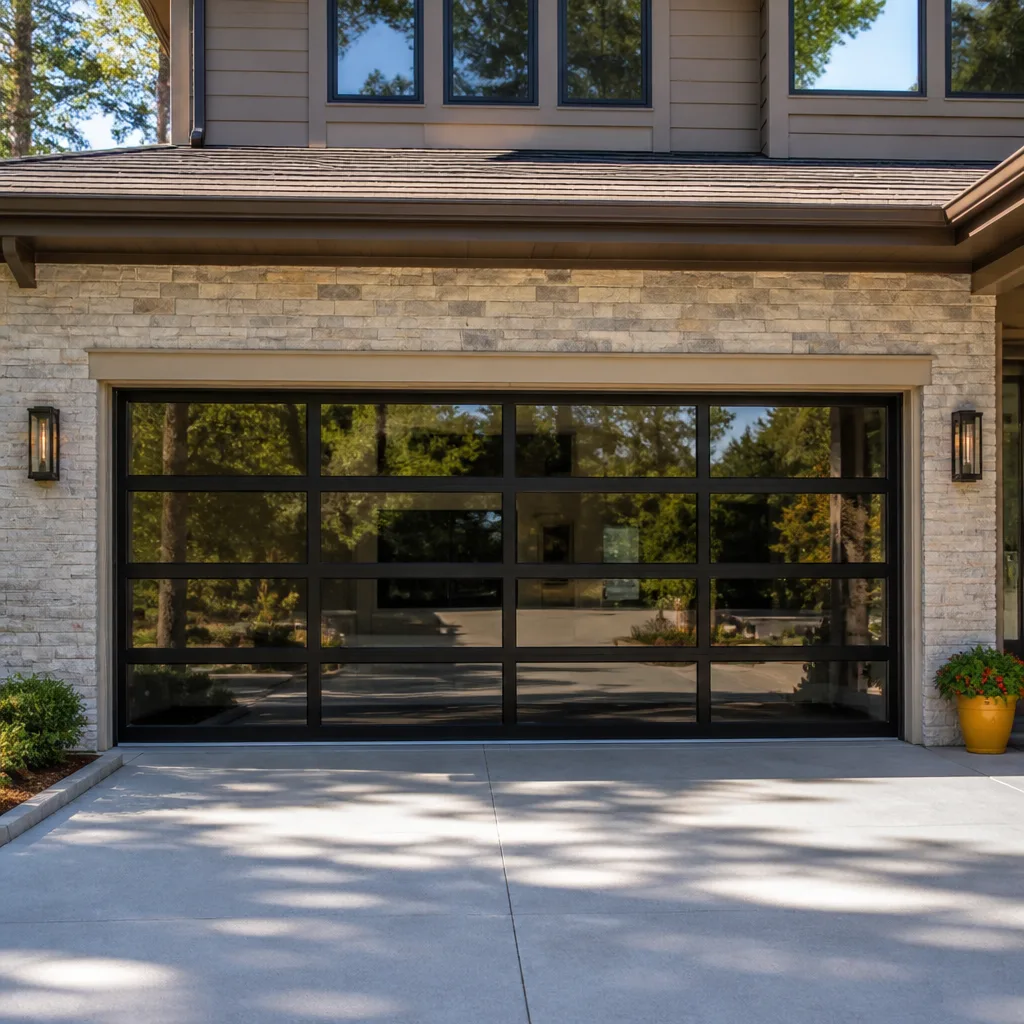 Full-view glass
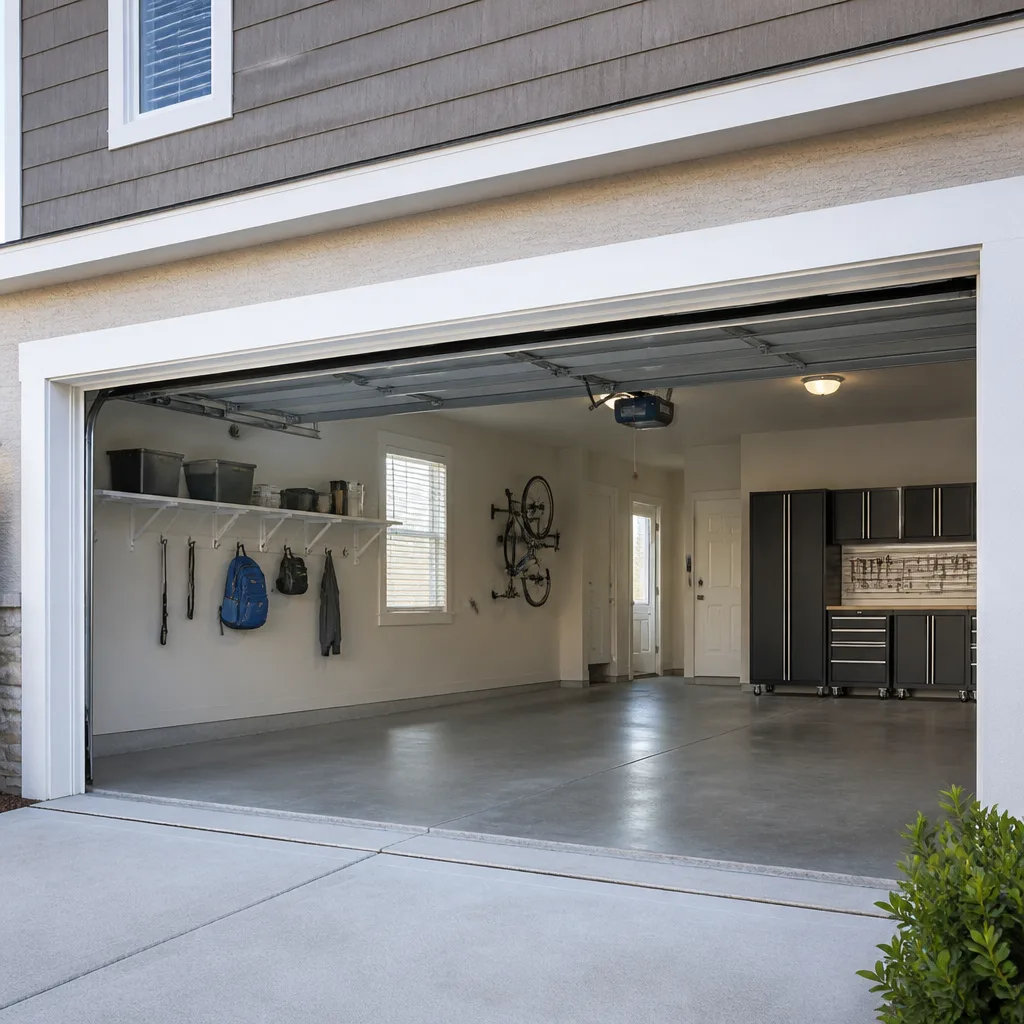 LiftMaster openers
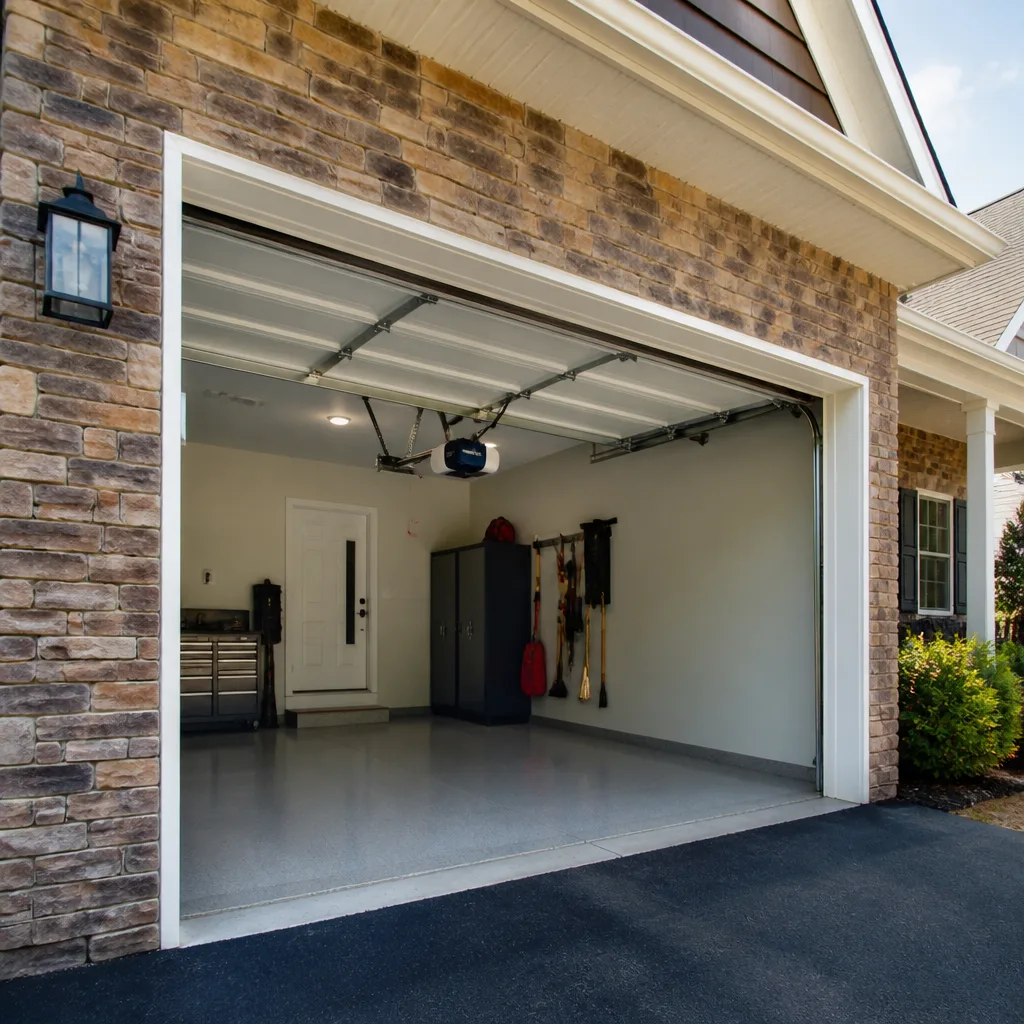 Chamberlain openers
Full 25-point door and opener safety check with every visit - springs, cables, rollers, tracks, and your LiftMaster or Chamberlain opener included
You get a price before we start. It does not change when the pro arrives.
Get your free estimateGarage Door Emergency Preparedness Guide for Raleigh Homes
Most garage door emergencies don’t start with a crash. They start with a power flicker during a summer thunderstorm, a frozen hinge after an ice event, or a door that stops halfway down and stays there. The counterintuitive part is that the first ten minutes decide almost everything: a homeowner who knows where the manual release is and how to use it safely usually ends up with a minor repair bill, while one who forces a jammed door often turns a small fix into a full replacement. Raleigh sits in a storm corridor that throws hurricanes, ice, and derechos at the same housing stock, so this isn’t hypothetical. What follows is the sequence we’d want every Raleigh homeowner to know before they need it.
Quick Answer
A garage door emergency in Raleigh is handled in three moves: stop operating the door, secure the opening if the door is stuck open, and disengage the opener manually only if you can do it safely without standing under the door. Never force a door that’s jammed, and never touch a broken spring or a slack cable. If the door won’t close or the spring has snapped, call a technician – Orchard Garage Door Repair at (866) 942-6232 – because release-cord handling and spring work are the two places where homeowners get hurt or make the repair more expensive.
Styles & brands we work with
- Raised-panel steel
- Carriage house
- Modern flush
- Full-view glass
- LiftMaster openers
- Chamberlain openers
Table of Contents
- How to Open a Garage Door During a Power Outage
- What to Do When a Door Is Stuck Mid-Travel After a Storm
- Hurricane and High-Wind Preparation for Raleigh Doors
- Securing an Open or Non-Latching Door Without Damaging It
- What to Have Ready Before You Call for Service
- Why Springs and Cables Are Never a DIY Job
- Opener Failures: The Emergency That Isn’t What It Looks Like
- After the Emergency: The Follow-Up Check
How to Open a Garage Door During a Power Outage
During a power outage, you open a garage door manually by pulling the red emergency release cord that hangs from the opener trolley, then lifting the door by hand. The cord disconnects the door from the opener motor so the door travels freely on its tracks. That’s the whole trick. The problem is that most homeowners have never looked for the cord, and a surprising share of the ones who find it pull it while the door is under load – which is exactly when the door can come down hard or the trolley can slam and bend.
Here’s the sequence we walk Raleigh callers through when the power is already out:
- Check that the door is fully closed (or fully open) before pulling anything. A door stopped partway is under load. Pulling the release on a loaded door is how doors drop.
- Locate the red cord. It hangs from the trolley on the opener rail, usually a foot or two behind the door in the ceiling. If you can’t reach it safely without a ladder, stop and call.
- Pull straight down, firmly. You’ll hear or feel the trolley release. If it doesn’t release with a normal pull, don’t yank harder – the trolley may be jammed against the opener and needs a technician.
- Lift the door slowly by hand. A properly balanced door should lift with one hand and stay put at about halfway up. If it feels like you’re lifting a truck, the spring system is compromised: lower it back down and stop.
- Re-engage after power returns. Run the opener and let the trolley re-catch the door, or pull the release again and cycle the door once. Test the safety reverse before you rely on it.
If you have a LiftMaster or Chamberlain opener with a battery backup, the door may keep running for a while after the grid drops – which is a good reason to confirm the backup function is actually working before storm season. We cover the full opener side of this on our garage door opener repair page.
What to Do When a Door Is Stuck Mid-Travel After a Storm
When a door stops mid-travel after a storm, the cause is usually one of four things: an obstruction in the photo-eye path, a tripped manual release, a bent track, or a spring that failed partway through the cycle. Before you call, work through these diagnostics – they’ll tell you whether you’re looking at a five-minute fix or a service call.
- Look at the photo eyes. The two small lenses at the bottom of each track must face each other and both show a steady light. A blinking light almost always means misalignment or debris, and a door that “reverses for no reason” is usually this.
- Check the wall control and the opener light. If the opener clicks but the door doesn’t move, the motor is trying – that points at the release or the motor’s internal limit settings rather than a dead unit.
- Inspect the tracks by eye, not by hand. A storm can drop a limb and bend a vertical track. If you can see a kink, stop operating the door – running it against a bent track grinds the rollers and can pop the door out of the track entirely.
- Look at the springs, don’t touch them. A torsion spring that has failed has an obvious visible gap in the coil. Extension springs stretch along the horizontal tracks. If either looks wrong, the door won’t balance and shouldn’t be cycled.
- Test the balance only if everything above looks healthy. Disengage the opener, lift the door to halfway, and let go. It should hold. If it falls or rises on its own, the springs need attention.
If any of these checks end in a “no,” the door stays put until a technician sees it. A door left halfway open overnight in Raleigh is also a security concern, so secure the opening as described lower in this guide.
Hurricane and High-Wind Preparation for Raleigh Doors
Raleigh is far enough inland that most hurricane impacts arrive as wind, rain, and tornado-spawned gusts rather than direct landfall, but the damage a garage door takes is the same. A garage door is the largest opening in most homes, and once it fails under wind pressure, the pressure equalizes inside the house and the roof becomes the next thing to go. That’s the reason wind-rated doors and bracing aren’t gimmicks – they’re the first line of defense for the whole structure.
Not every door needs the same preparation. Here’s how to sort yours:
- Standard single-car or double-car sectional doors without a wind rating: these are the most vulnerable. Consider a manufacturer-approved bracing kit or a vertical reinforcement system, or plan to move anything valuable out of the garage before a named storm.
- Doors labeled with a design pressure rating: factory-rated doors are built for sustained wind load and labeled accordingly. Check the label on the door panel or the original paperwork before buying any add-on – reinforcement on a rated door can void its rating if it isn’t from the same manufacturer.
- Older single-panel tilt-up doors: common on mid-century Raleigh homes. These have different bracing physics and usually need a manufacturer-specific kit or replacement rather than a universal add-on.
- Any door with a glass or lite panel: glass is a failure point under impact. If your door has windows, factor that into your storm plan.
Before a named storm, also test the manual release (you may need it), clear the tracks, and confirm the safety reverse. If you don’t know whether your door is rated or what brand it is, a quick service visit will tell you – we work with the brand you already have, whether that’s a Raynor, a Clopay, or something older.
Securing an Open or Non-Latching Door Without Damaging It
When a door is stuck open and won’t close, the priority is securing the opening without wrecking the hardware you’ll need repaired later. That means no screws into the door panel, no drilling the track, and nothing that puts sideways force on the rollers.
Here’s what safe temporary securing looks like:
- Lower the door by hand if it will come down freely. A balanced door can be lowered manually, then propped with a blocking object underneath – a piece of lumber or a sturdy box – rather than tied or screwed down. Do not place blocking under the bottom seal where it can pinch the sensor wiring.
- If the door won’t close at all, secure the opening from outside. A heavy-duty bar or a length of lumber across the opening, braced against the floor, keeps the door from walking. Screw the brace into the framing, not the door.
- Use a C-clamp on the vertical track (above a roller) as a travel stop if the door keeps creeping. This is the standard temporary stop and it won’t damage the track if you place it correctly.
- Never tie the door to the opener rail or the spring shaft. Those are load-bearing components, and a tie-down there is how doors get bent or springs get shock-loaded.
- Keep people and pets out of the garage while the door is non-functional. An open door is an easy entry point, and the tracks aren’t a safe place to lean.
If the door is non-latching because a spring or cable has failed, there is no safe temporary fix that lets you keep using it. Secure it and schedule the repair.
What to Have Ready Before You Call for Service
The faster a technician can diagnose the problem, the faster the door gets fixed and the less time gets billed. Having four pieces of information ready before you call speeds up the whole process – and on a strange system, it can mean the difference between a same-day fix and a return trip.
Gather this before you dial:
- The door brand and the opener brand. These are often different. A Clopay door on a LiftMaster opener is common. Both matter because the diagnosis differs.
- What you observed, in sequence. “The door went down, stopped, and the opener light started blinking” is worth more than “it’s broken.” Note what you heard, what the lights did, and whether the door reversed before it stopped.
- Whether the door is open, closed, or mid-travel right now. This tells the dispatcher whether you have a security situation on top of a repair.
- What you’ve already checked. If you’ve tested the photo eyes and looked at the springs, say so. It saves a step.
When you call Orchard Garage Door Repair at (866) 942-6232, you’re talking to someone who works across all the major systems – Craftsman, Chamberlain, LiftMaster, Genie, Raynor, Clopay, Amarr, and Wayne Dalton – so the brand question is the first thing that gets a useful answer. We answer 24/7. Fast dispatch runs from 7am to 7pm, Sunday through Friday, and same-day service is available for most repair calls. The price is quoted and agreed before any work starts, so you know what you’re approving before the technician touches the door.
Why Springs and Cables Are Never a DIY Job
Torsion springs and cables are under extreme tension and can release stored energy instantly. That’s the entire reason this is the one part of garage door work we tell every homeowner to leave alone. A snapped torsion spring can cause serious injury, and a cable that comes off its drum under tension is just as dangerous – sometimes more, because a slack cable looks less threatening than it is. Neither is a component to handle with gloves and hope.
What you can safely do is inspect and report:
- Look for a visible gap in a torsion spring. A failed spring often shows a clear separation in the coil.
- Look for a slack or dangling cable along the side of the door. Don’t grab it, don’t try to rewind it.
- Listen for a loud bang from the garage that nobody witnessed. That’s the sound of a spring letting go.
- Watch for the door not holding its position when lifted halfway. That’s a balance problem pointing at the springs.
If any of those show up, the door stays down – or up, secured – until a technician replaces the spring safely. A single spring is what the quoted price covers; most doors with a pair are replaced as a pair. Our garage door repair page explains what the repair itself involves, and our team covers the full detail in the sections below. If you’re in Raleigh and hearing that bang, stop cycling the door.
Opener Failures: The Emergency That Isn’t What It Looks Like
Most “the opener died” calls aren’t dead openers. They’re photo-eye misalignment, a tripped wall control, a failed capacitor, a stripped gear, or a remote that needs re-pairing. That distinction matters because a real opener failure and a false alarm look identical from the driver’s seat – the door doesn’t move.
Quick checks before you assume the worst:
- Try the wall control, not just the remote. If the wall button works and the remote doesn’t, you have a remote or pairing problem, not an opener failure.
- Look for a blinking light on the opener body. On most modern units, the number and pattern of blinks is a diagnostic code.
- Unplug for thirty seconds and plug back in. A logic board that’s locked up will sometimes reset this way.
- Check the breaker. An opener on a shared garage circuit can trip without anything else in the house noticing.
- Check the safety reverse and the photo eyes. A door that closes a foot and reverses is almost always a sensor issue.
The catch is that opener work is genuinely specialized – the electronic and mechanical side of a door is where a generic handyman usually gets stuck. Orchard treats garage door opener repair as its own service for exactly this reason, and our technicians have up to experience diagnosing the system in front of them rather than guessing from a manual. If the checks above don’t resolve it, call (866) 942-6232. Estimates are free.
After the Emergency: The Follow-Up Check
Once the door is repaired and working again, there’s a short follow-up list that catches the damage a storm or a forced-door incident leaves behind – the problems that don’t announce themselves on the first cycle.
- Run the safety reverse test. Place a piece of lumber flat under the door and close it. The door should reverse on contact. If it doesn’t, the force settings are wrong and need adjusting before anyone relies on the door.
- Check the balance again. Disengage, lift to halfway, let go. It should hold.
- Look at the rollers and hinges. A storm that bent a track usually also damaged a roller or two. Grinding noises are the tell.
- Check the weather seal along the bottom. Wind-driven rain finds gaps, and a torn seal lets water into the garage.
- Test the manual release again. Confirm it re-engages cleanly. That’s the piece most homeowners never re-check, and it’s the one you don’t want to discover is stuck during the next outage.
If you don’t want to run this list yourself after a storm, a service call covers it. We’d rather catch a bent roller now than have it chew through a track before the next named storm. If you’re new to the area, our Raleigh page is a good starting point for how the local climate affects door systems.
Common Mistakes to Avoid
- Forcing a door that’s already jammed. A door that’s stuck against a bent track or a failed spring will not “pop free” with a shove. It bends the panels, and a bent panel is a replacement, not a repair.
- Pulling the release cord on a door that’s partway through a cycle. That’s how doors drop. Always release a fully closed or fully open door.
- Touching a spring or a slack cable. Stored energy doesn’t care that you’re careful. Look, report, and back away.
- Screwing a brace into the door panel. It feels secure; it damages the panel and can void the door’s design pressure rating. Brace into the framing instead.
- Assuming the opener is dead. A photo-eye misalignment is far more common than a failed opener, and it costs nothing to check.
- Ignoring the safety reverse after a storm. A door that closes on a toy, a pet, or a child is the worst outcome of a deferred check.
- Waiting for the next storm to test the manual release. You want to know where that red cord is before the power’s out – not with a flashlight in your teeth. And if you’re unsure whether your door is rated for Raleigh’s wind exposure, ask before the season, not during it.
See the difference
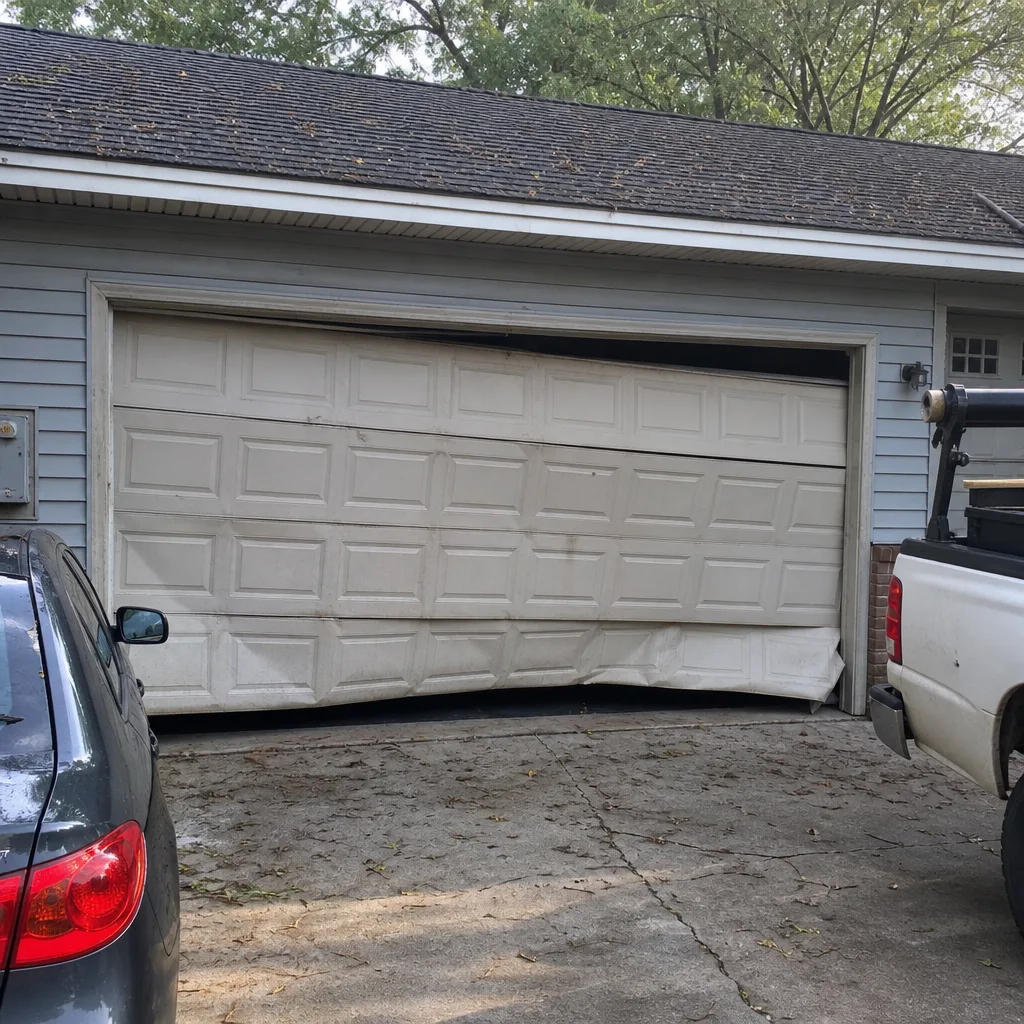 Before
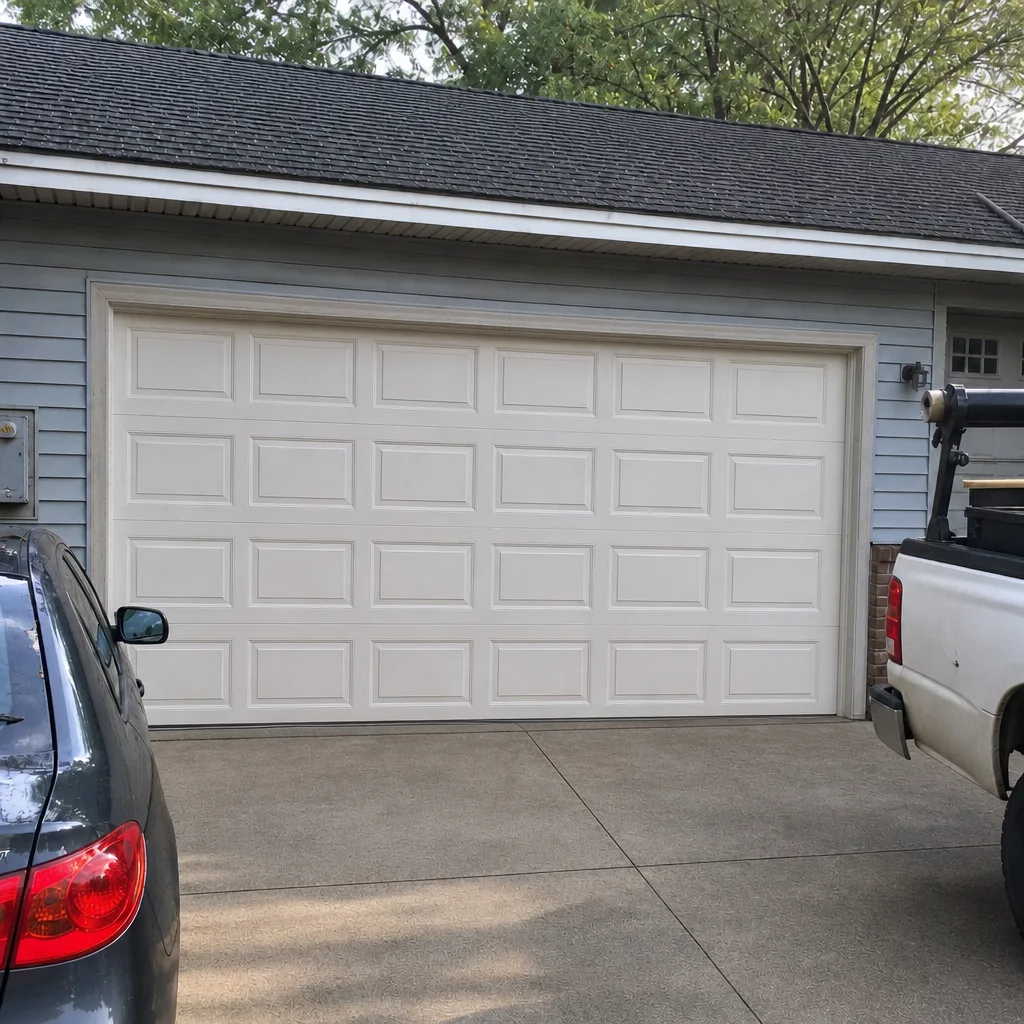 After
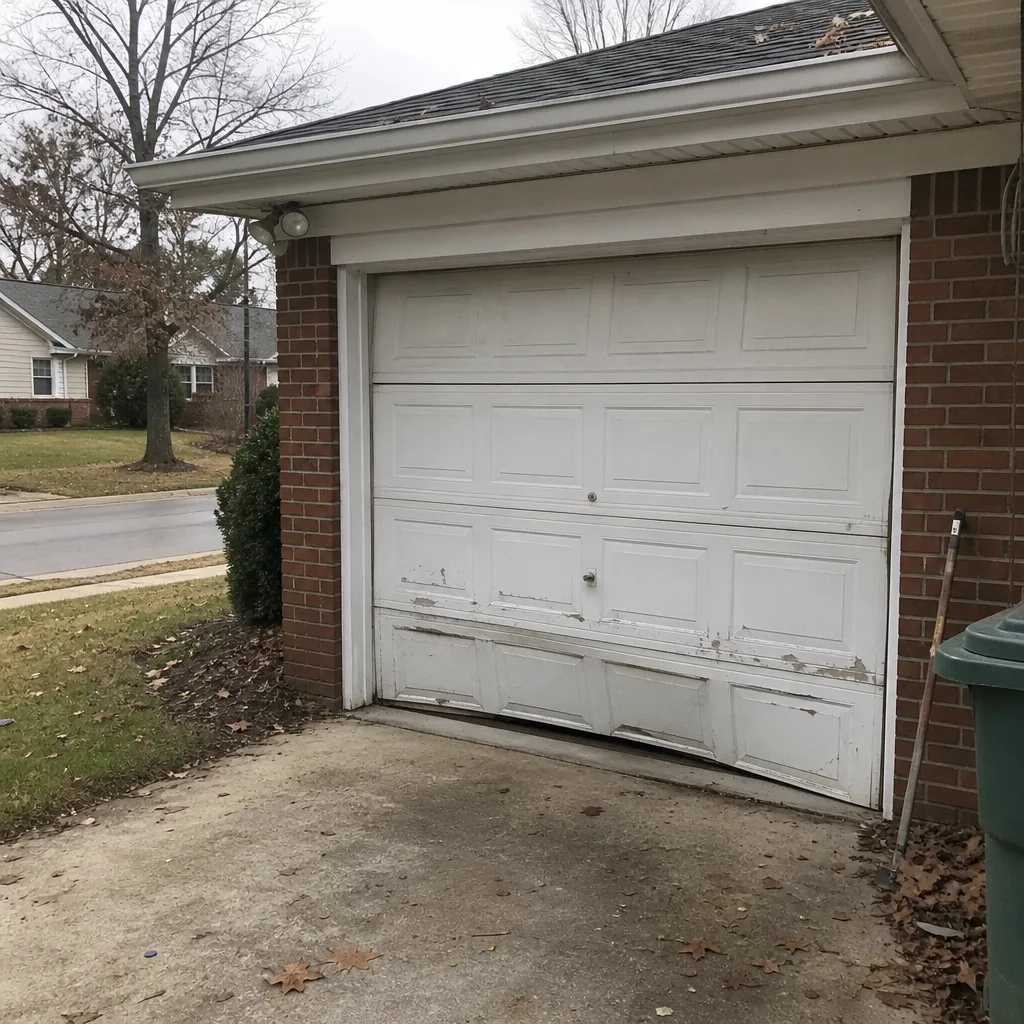 Before
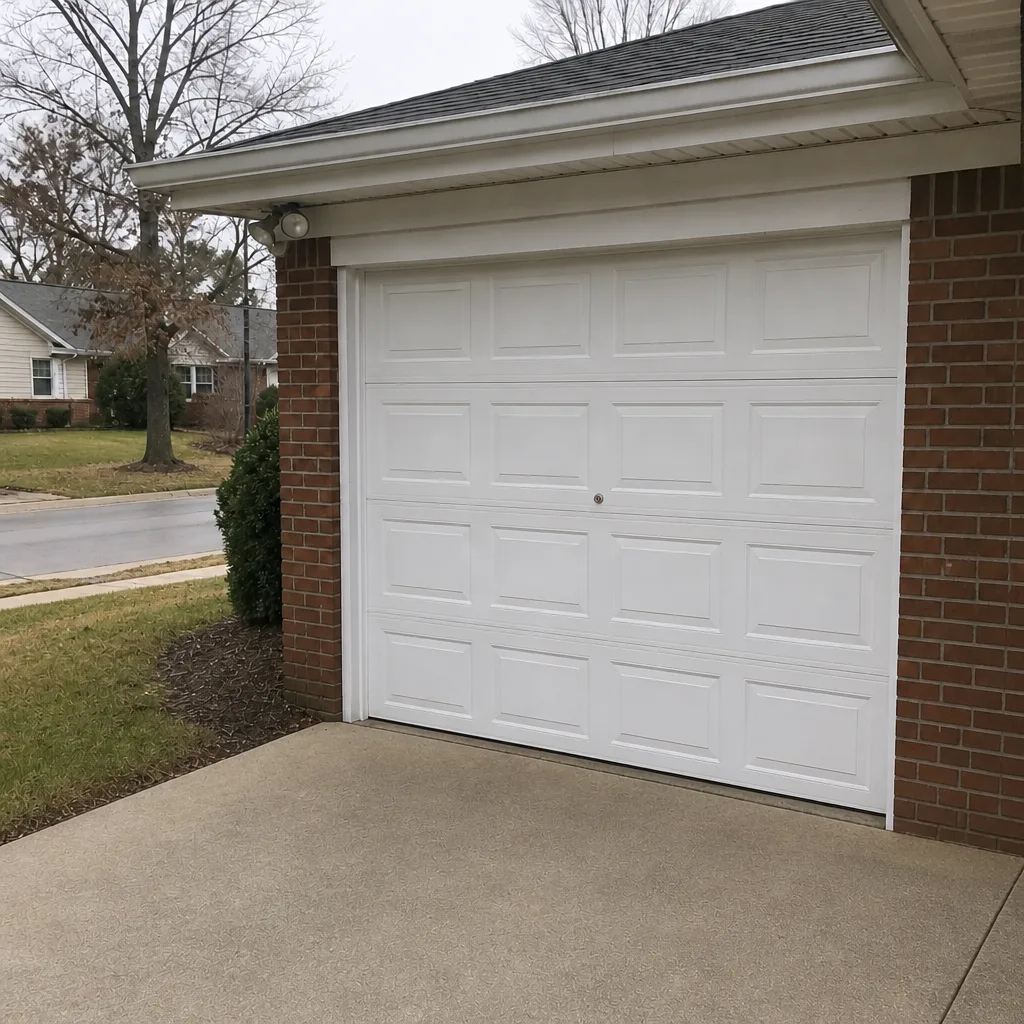 After
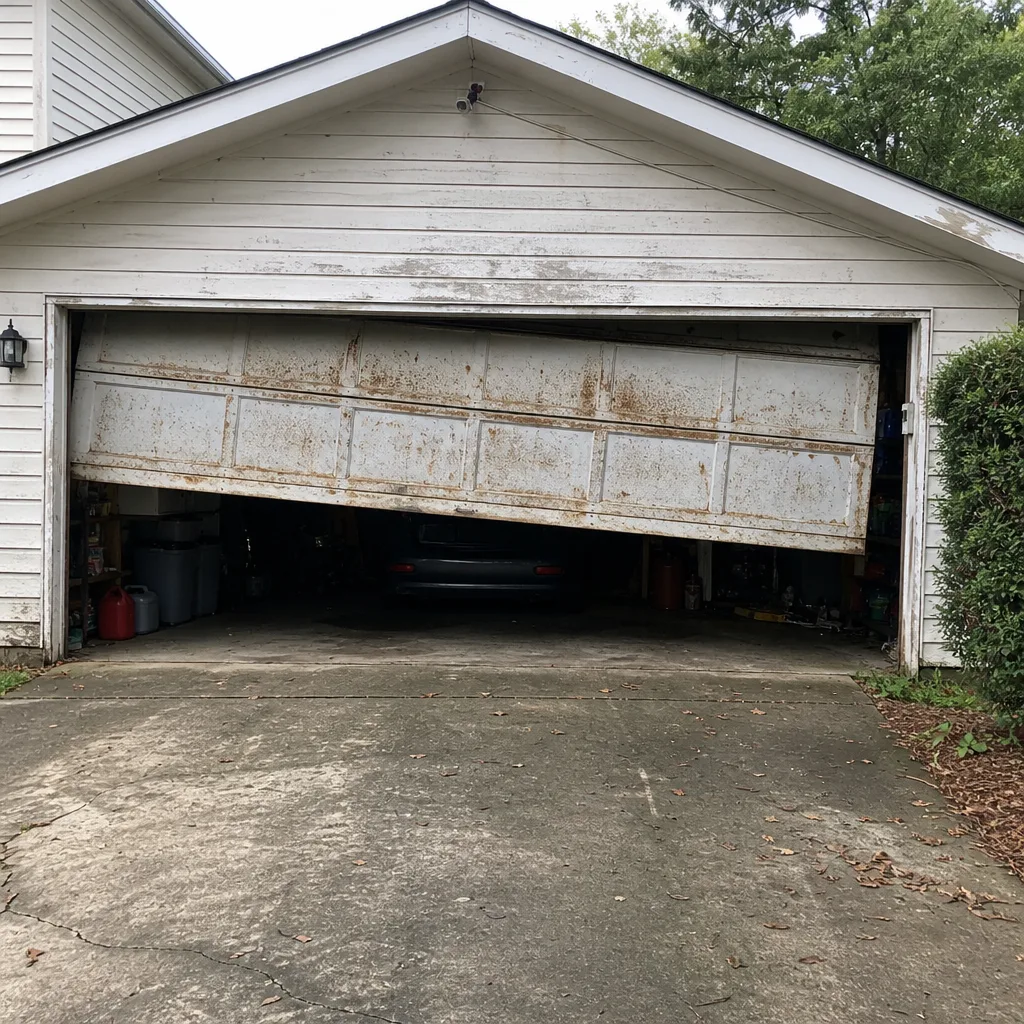 Before
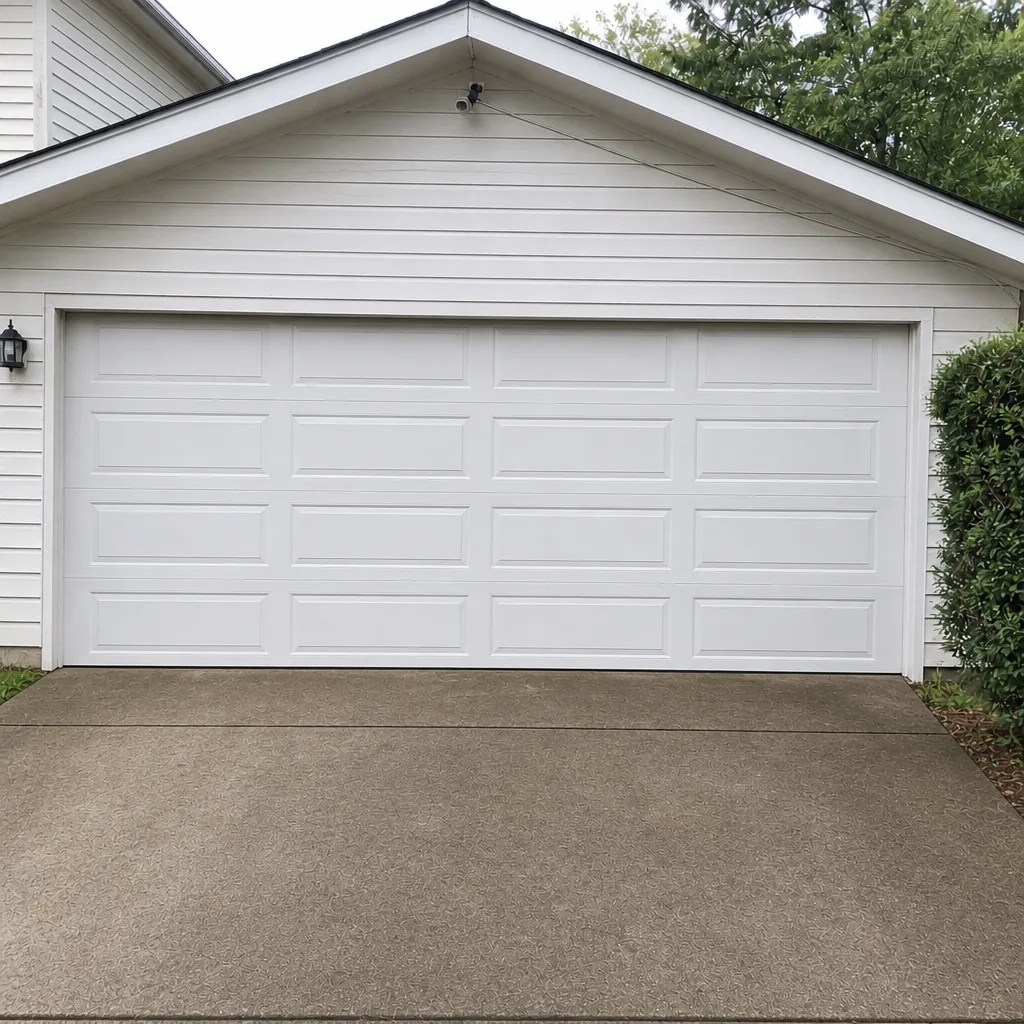 After
When to Call a Professional
Call a professional when the door won’t close and you need it secure, when a spring has failed or a cable is slack, when the door is off its tracks or visibly bent, when the opener runs but the door doesn’t move and the basic checks don’t fix it, or when you’re simply not sure what you’re looking at. Call earlier, not later, if anyone in the house relies on the garage as the main entry or if the door is standing open with no way to secure it safely. A trained technician can confirm the diagnosis in one visit rather than three, and the price is set before any work begins. Orchard Garage Door Repair offers free estimates in Raleigh – call (866) 942-6232. We answer 24/7, and fast dispatch runs from 7am to 7pm, Sunday through Friday.
Frequently Asked Questions
Pull the red emergency release cord on the opener trolley, then lift the door slowly by hand. Only do this when the door is fully closed or fully open, and stop if the door feels too heavy to lift safely, because that points to a spring problem that needs a technician.
Stop operating it, check the photo eyes and the visible track, and look (don’t touch) the springs. If the track is bent, a spring shows a gap, or the door won’t balance at halfway, call a professional rather than forcing it, and secure the opening while you wait.
No. We quote and agree on the price before any work starts, so the written estimate sets what you pay. If the scope changes because something else turns up, we tell you first and get your approval before continuing.
Yes for most repair calls. Same-day service is available, and same-day dispatch runs 7am to 7pm, Sunday through Friday. Call (866) 942-6232 for an exact quote; estimates are free.
Our technicians are certified, licensed and insured, and they have up to experience working across the major door and opener brands. They diagnose the system in front of them rather than defaulting to one manufacturer’s answer. Call for an exact quote; estimates are free.
No. Torsion springs and cables are under extreme tension and can release stored energy instantly, which is why spring replacement is a job for a trained technician. Look for the visible signs of failure – a gap in the coil, a slack cable – and leave the repair to a professional.
The Bottom Line
Garage door emergencies in Raleigh reward preparation more than panic. Know where the release cord is. Never force a jammed door, never touch a spring or cable, and secure the opening safely when the door won’t close. Run the balance and safety-reverse checks after every storm, gather the brand details before you call, and let a technician handle anything involving tension or electronics. Most of what looks like a catastrophe at 2am is a straightforward repair when it’s diagnosed correctly the first time. That’s the goal: fewer surprises, faster fixes, and a door that’s ready for the next storm. Call (866) 942-6232 – one call covers it, from Orchard Garage Door Repair through to the finished repair.
Written by the team at Orchard Garage Door Repair.